What Homeowners Can Do to Prevent Toilet Backups and Keep Their Plumbing Running Smoothly

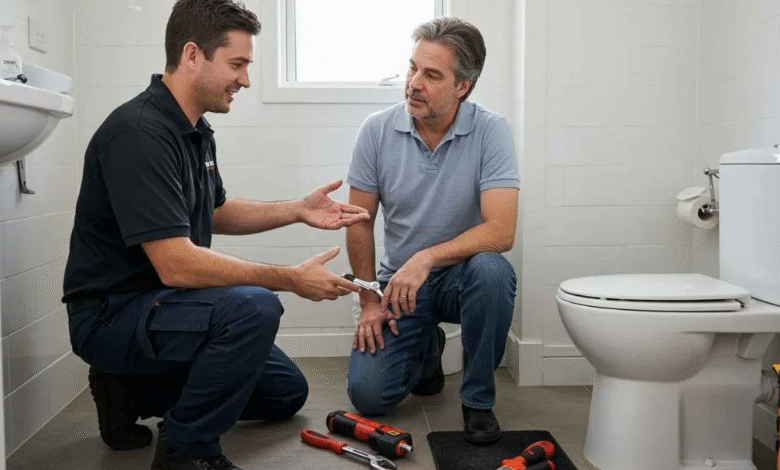
Dealing with a toilet that won’t clear is a frustrating rite of passage for most homeowners, but it’s a mess most of us would rather avoid entirely. While a plunger usually takes care of minor mishaps, a clog that keeps coming back often points to a deeper structural flaw hiding inside the waste line. This is where sewer and drain specialists come in—they are the pros who navigate the underground world of pipes to make sure wastewater actually stays away from your living space. By getting a handle on what typically causes these plumbing failures and picking up a few proactive maintenance habits, you can keep your lines flowing and dodge the massive bills that come with emergency repairs.
Understanding Common Obstructions and Pipe Failures
Plumbing systems are often “out of sight, out of mind” until something goes wrong. Most blockages occur because of cumulative buildup rather than a single event. Over time, hair, soap scum, and mineral deposits create a sticky matrix inside the pipes that traps larger debris. In many regions, the integrity of your underground lines is also at the mercy of the environment. Because tree roots are naturally drawn to the moisture and nutrients found inside sewer pipes, they can find their way through microscopic cracks or loose joints, eventually causing a total collapse of the line. Understanding how these systems interact with the local environment is a key part of effective environmental stewardship in residential management.
Essential Services Provided by Professional Technicians
When DIY methods fail, specialized technology is required to diagnose and clear the line. Modern plumbing has evolved far beyond the basic hand-snake. Today, drain cleaning companies utilize high-definition fiber-optic cameras to perform internal “colonoscopies” of your sewer lateral. This allows them to pinpoint the exact location of a root intrusion or a collapsed section without digging up your entire lawn. Furthermore, techniques like hydro-jetting use high-pressure water streams to scrub the interior walls of the pipe, removing years of grease and scale buildup that traditional mechanical snakes might simply poke a hole through.
Preventive Measures and Best Practices for Homeowners
Prevention is significantly more affordable than restoration. The single biggest move you can make is just being a hawk about what actually goes down the drain. Even if those wet wipes claim to be “flushable” on the package, it’s mostly just marketing—they don’t actually dissolve like toilet paper and are a massive reason why “fatbergs” end up choking municipal lines. It’s the same deal in the kitchen: never pour grease or liquid oils down the sink. Once that stuff hits the cold pipes underground, it hardens like candle wax and turns into a stubborn, pipe-shrinking mess. Additionally, maintaining a healthy landscape involves responsible water usage and drainage planning to ensure that heavy rains do not overwhelm your home’s exterior drainage basins or put undue pressure on the foundation.
See also: Enhancing Home Privacy with Window Film Solutions
Selecting the Right Expert for Long-Term Solutions
When a major backup occurs, the quality of the repair is only as good as the technician performing it. It is vital to hire a sewer and drain specialist team that offers comprehensive warranties and transparent pricing. Look for companies that provide detailed reports of their camera inspections, as this documentation is invaluable if you ever need to file an insurance claim for water damage. A true professional will not just clear the immediate clog but will also investigate the underlying cause—whether it is a sagging pipe, a shifted joint, or an aging orangeburg line—to ensure the problem does not return next month.
Conclusion
At the end of the day, keeping your pipes running smoothly is about two things: how you treat them daily and knowing when to call in a pro. If you stop using your sink as a trash can and get a plumber to snake the lines once in a while, your system will last years longer—and you won’t have to worry about a nasty backup ruining your weekend.