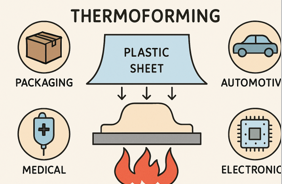
Custom thermoforming is a manufacturing process that allows flat thermoplastic sheets to be shaped into three-dimensional components by heating them until pliable and then forming them over molds or tools. This method can produce a wide range of parts, from simple trays and packaging to more complex panels and housings, using materials such as ABS, PETG, and HDPE. Its flexibility in design and ability to create lightweight, durable components make it a practical option for applications where other techniques, such as injection molding, may be less efficient.
In modern manufacturing, custom thermoforming is used across sectors, including automotive, medical, consumer products, and industrial equipment, where specific shapes and sizes are required. Resources such as https://npi-ks.com/services/custom-thermoforming/ provide practical guidance on how to apply this process. Overall, custom thermoforming offers a versatile approach for producing tailored plastic components that meet a variety of functional and structural needs.
Advanced Packaging Solutions
The packaging sector has seen dynamic improvements through the adoption of thermoforming. This technology is especially valued for creating lightweight, durable containers that enhance product logistics and shelf appeal. One prominent application is vacuum skin packaging (VSP), particularly in the food industry. VSP helps extend the shelf life of perishable products and enhances food safety by maintaining a strong seal and reducing exposure to contaminants. The growing focus on eco-friendly packaging has also driven innovation, enabling brands to deliver both product quality and environmental benefits.
Automotive Industry Advancements
The drive for lighter, more efficient vehicles has positioned thermoforming as a preferred choice in automotive manufacturing. Thermoformed parts such as dashboards, interior trim, and protective housings contribute to significant weight reduction, which, in turn, supports better fuel efficiency and lower emissions. The process is especially suited for short-run production or prototyping, accommodating rapid design changes and allowing automakers to experiment with custom components. The result is faster product development cycles and vehicles that meet stringent safety and performance standards.
Medical Device Manufacturing
Medical device manufacturers rely on thermoforming to produce critical packaging and device components that must adhere to strict hygiene and quality standards. Custom-designed trays, clamshells, and enclosures are widely used to securely package and protect instruments during transportation and storage. Additionally, thermoformed housings and panels serve functional roles in diagnostic and imaging equipment. Due to its ability to produce sterile, tamper-resistant packaging, thermoforming is a fundamental process for hospitals, clinics, and diagnostic manufacturers worldwide.
Consumer Electronics
Thermoforming plays an integral role in the consumer electronics industry, providing durable, sleek enclosures for devices ranging from smartphones to smart home technology. The process supports sophisticated surface finishes and intricate detailing, enabling companies to design products that are both protective and visually appealing. Furthermore, fast turnaround times and cost-effective prototyping allow electronics manufacturers to keep up with rapidly shifting consumer trends and frequent product launches. Leading companies in the field are turning to thermoforming for both packaging and device casings, making it a staple of electronics manufacturing.
Sustainable Materials and Eco-Friendly Practices
Sustainability is a major driver of many manufacturing changes, and thermoforming is no exception. Companies are increasingly turning to biodegradable and recyclable thermoplastics to reduce environmental impact. Bioplastics derived from renewable sources such as cornstarch, cellulose, and sugarcane are replacing traditional petroleum-based plastics. Leading brands are working to close the loop on packaging life cycles by making products that can be easily recycled or composted at the end of use. These practices are not only environmentally responsible but also align with evolving regulatory and consumer expectations.
Integration with Additive Manufacturing
The synergy between thermoforming and additive manufacturing, particularly 3D printing, is accelerating innovations in prototyping and tooling. 3D printing enables rapid production of custom molds, templates, and fixtures for thermoforming, greatly reducing development time and enabling complex, highly customized geometry. This integration streamlines production cycles and supports the creation of unique product features that would be difficult to achieve with traditional techniques. The trend is empowering engineers to merge creativity with efficiency, giving manufacturers a competitive edge in new product introductions.
See also: How Technology Is Transforming the Home Buying Experience
Future Trends in Thermoforming
Looking ahead, several emerging trends are poised to reshape the thermoforming industry. The use of advanced simulation software is helping engineers predict how polymers behave during forming, optimizing both quality and material usage. Hybrid production techniques, blending traditional thermoforming with technologies such as 3D printing or electronic embedding, are improving design flexibility and reducing production costs. Additionally, the adoption of digital twin technology is enabling predictive maintenance and operational efficiency. This approach simulates machine performance, allowing for proactive adjustments and fewer disruptions on the manufacturing line.
Conclusion
Custom thermoforming is a cornerstone of contemporary manufacturing, known for its adaptability, efficiency, and alignment with both innovation and environmental stewardship. Whether making packaging safer, vehicles lighter, or devices smarter, the possibilities enabled by thermoforming continue to expand. As businesses look for new ways to improve products and processes, this evolving technology will remain at the heart of industry advancements for years to come.