Hardwood Floor Refinishing: Why Hiring a Professional Makes All the Difference

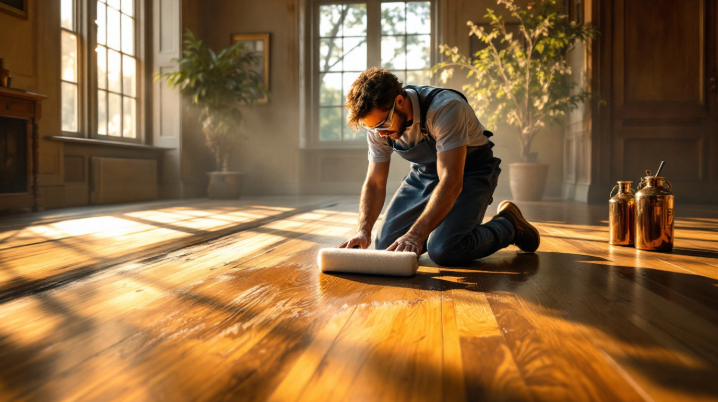
Hardwood floors are one of the most valuable features in a home, offering timeless beauty, durability, and long-term return on investment. Over time, however, even the highest-quality hardwood floors can show signs of wear. Scratches, fading, dull finishes, and uneven coloration are common as floors age. When the wood itself remains structurally sound, hardwood floor refinishing is an effective way to restore both appearance and protection without the cost of full replacement.
While some homeowners consider refinishing as a do-it-yourself project, professional hardwood floor refinishing delivers significantly better results, longer lifespan, and greater overall value.
What Is Hardwood Floor Refinishing?
Hardwood floor refinishing is a multi-step process that restores the surface of existing wood floors. The process typically includes sanding away the old finish and surface damage, smoothing the wood, applying stain if desired, and sealing the floor with a protective finish.
Refinishing removes years of wear, eliminates surface imperfections, and revitalizes the natural beauty of the wood. In many cases, floors that appear worn or outdated can look nearly new again after professional refinishing.
When Refinishing Is the Right Choice
Refinishing is ideal when hardwood floors show surface-level damage but remain structurally intact. Common signs that refinishing may be needed include:
- Widespread scratches or scuffs
- Dull or worn-through finish
- Discoloration from sunlight or foot traffic
- Minor water stains or surface marks
- Uneven sheen or patchy appearance
If boards are severely warped, rotted, or missing, replacement may be necessary. However, most solid hardwood floors can be refinished multiple times over their lifespan, making refinishing one of the most cost-effective home improvements available. If you are in Indiana, check out Carmel hardwood floor refinishing.
Why Professional Refinishing Delivers Superior ResultsExpert Assessment and Preparation
Professional refinishing begins with a thorough evaluation of the floor’s condition. Experienced professionals assess wood thickness, wear layers, existing finishes, and any underlying issues before work begins. This ensures refinishing is safe, effective, and appropriate for the specific type of hardwood.
Proper preparation is critical. Professionals carefully protect surrounding areas, address minor repairs, and ensure the subfloor and surface are ready for sanding. Skipping or rushing these steps often leads to uneven results and premature wear.
Precision Sanding Equipment
Professional refinishing uses commercial-grade sanding equipment designed to remove finishes evenly without damaging the wood. These machines provide consistent pressure and smooth results that are difficult to achieve with rental equipment.
Improper sanding is one of the most common issues in DIY refinishing. Uneven sanding can leave swirl marks, dips, or visible lines that permanently affect the floor’s appearance. Professionals are trained to sand floors evenly while preserving the integrity of the wood.
See also: Enhancing Home Privacy with Window Film Solutions
High-Quality Finishes and Application
Professionals use premium stains and finishes that offer superior durability, appearance, and longevity. They understand how different wood species react to stains and can help homeowners select colors and finishes that enhance the natural character of the floor.
Application technique matters just as much as the product itself. Professional finish application ensures even coverage, proper drying times, and a smooth final surface. This results in floors that resist wear, moisture, and daily use far better than DIY applications.
Health, Safety, and Dust Control
Hardwood floor refinishing generates fine dust that can affect indoor air quality if not properly managed. Professional refinishing companies use advanced dust-containment systems to minimize airborne particles and maintain a cleaner, safer environment.
Professionals also follow safety protocols when handling equipment, finishes, and sealers. Proper ventilation and product handling reduce exposure to fumes and help ensure a healthier home during and after the refinishing process.
Long-Term Value and Durability
Professionally refinished hardwood floors last longer and maintain their appearance better over time. The combination of expert sanding, high-quality finishes, and proper curing creates a durable surface that withstands daily wear.
From a resale perspective, professionally refinished floors are a strong selling point. Buyers recognize quality workmanship and are more likely to view refinished hardwood as a premium feature rather than a future repair.
Avoiding Costly Mistakes
While DIY refinishing may appear to save money upfront, mistakes can be expensive. Over-sanding, uneven stain application, or improper sealing can permanently damage floors, requiring repairs or full replacement.
Hiring a professional reduces risk and ensures the job is done correctly the first time. In many cases, professional refinishing ultimately costs less than fixing DIY errors.
Final Thoughts
Hardwood floor refinishing is one of the most impactful ways to restore beauty, protect your investment, and increase the value of your home. While DIY options may seem appealing, professional refinishing delivers superior results, better durability, and greater peace of mind.
By trusting experienced professionals, homeowners can enjoy floors that look stunning, perform well, and stand the test of time — all while preserving the character and craftsmanship that make hardwood flooring so desirable.