If you’re planning to cool multiple rooms in your home, you’ve probably discovered that installing separate air conditioners for each space can be expensive and impractical. Multi-head split systems offer an elegant solution, allowing you to cool several rooms using just one outdoor unit. But are they right for your home? Let’s explore everything you need to know about multi-split air conditioning systems.
What is a Multi-Head Split System?
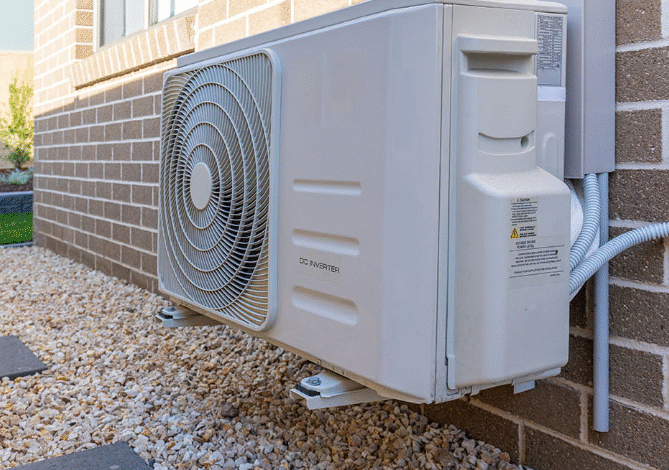
A multi-head split system, also called a multi-split or multi-zone system, connects multiple indoor units to a single outdoor compressor. Unlike traditional mini splits where each indoor unit requires its own outdoor unit, a multi-head system can power anywhere from two to five indoor units from one outdoor condenser.
Think of it like a central nervous system for your home’s cooling. The outdoor unit acts as the brain, managing the cooling or heating needs of each connected room independently. You might have a wall-mounted unit in each bedroom, a bulkhead unit in the kitchen, and a ceiling cassette in the living space – all running off the same outdoor unit but controlled separately.
Advantages of Multi-Split Air Conditioners
The most obvious benefit is saving exterior wall space. In urban homes where outdoor space is at a premium, having one outdoor unit instead of three or four makes a significant difference. This is particularly valuable for townhouses, apartments, and homes with limited yard space or strict body corporate regulations about external fixtures.
Multi-head systems also offer aesthetic advantages. One discreet outdoor unit is far less obtrusive than multiple condensers lined up along your home’s exterior. This matters for heritage homes, properties in conservation areas, or simply for maintaining your home’s kerb appeal.
From an installation perspective, running refrigerant lines from one central outdoor unit is often simpler and more cost-effective than installing multiple complete systems. You’ll need fewer penetrations through your walls and less electrical work, which can translate to lower installation costs despite the higher equipment price.
Each indoor unit operates independently with its own thermostat and controls. Your teenager can run their bedroom unit at 20°C while you keep the living room at a more economical 24°C. Different family members get personalized comfort without compromise, and you’re not cooling unoccupied rooms just because one person is using the system.
When Multi-Split Systems Make Sense
Multi-head systems shine in specific situations. They’re ideal for double-storey homes where installing ducted air conditioning would require extensive ceiling modifications. If you’re renovating and don’t want to deal with the disruption of ductwork installation, a multi-split system offers whole-home cooling with minimal invasiveness.
For homes with architectural features like exposed beams, cathedral ceilings, or heritage details you want to preserve, multi-split systems provide zoned cooling without compromising your home’s character. They’re also excellent for awkward floor plans where certain rooms are difficult to cool efficiently with a ducted system.
Multi-story homes often benefit from multi-head systems. You can position the outdoor unit centrally and run lines to both levels without the capacity limitations you might face with separate single-split systems. This is particularly useful in townhouses where placing multiple outdoor units becomes problematic.
What to Consider Before Installing
Before committing to a multi-head system, you’ll need to assess practical factors. The outdoor unit for a multi-split system is larger than a standard split system condenser because it’s powering multiple indoor units. Make sure you have adequate space for the unit and that it can be positioned where it won’t cause noise issues for you or your neighbors.
Refrigerant line runs between the outdoor unit and each indoor unit have maximum length restrictions, typically between 15 and 30 meters depending on the manufacturer and model. The further the indoor units are from the outdoor compressor, the more efficiency you lose. Your installer will need to plan the most efficient route for each line, which might influence where the outdoor unit should be located.
Electrical requirements for multi-head systems are more substantial than single-split systems. You’ll likely need a dedicated circuit and possibly an electrical upgrade depending on your home’s existing infrastructure. Factor this into your budget planning, as the electrical work can add significantly to installation costs.
See also: How to Choose the Right Interior WPC Door for Residential Projects
Sizing Your System Correctly
Getting the capacity right is crucial with multi-head systems. You can’t simply add up the cooling capacity of each indoor unit and expect the outdoor unit to deliver that power simultaneously. Melbourne Heating and Cooling Company Extrordinair, explains in their multi-split air conditioning guide that not all indoor units will run at maximum capacity at the same time.
A typical configuration might have an 8kW outdoor unit powering three 2.5kW indoor units (7.5kW total). This works because in normal use, you’re unlikely to have all three rooms requiring maximum cooling simultaneously. However, during extreme heat events, the system might struggle to cool all areas adequately if all units are demanding full capacity.
Work with an experienced installer who can calculate your actual cooling load based on room sizes, insulation, window orientation, and usage patterns. Undersizing to save money will leave you disappointed when the system can’t maintain comfort in all areas during heatwaves. Oversizing wastes money and can lead to short-cycling, reducing efficiency and increasing wear on the system.
Running Costs and Efficiency
Multi-head systems can be more efficient than running multiple separate air conditioners because you’re operating one compressor instead of several. Modern inverter-driven multi-split systems adjust their output based on the combined demand from all indoor units, which can deliver excellent energy efficiency when properly sized.
However, efficiency depends heavily on usage patterns. If you typically only cool one or two rooms at a time, separate split systems might actually be more economical. The outdoor unit in a multi-head system maintains a baseline power draw even when only one indoor unit is running, whereas separate systems only consume power when that specific unit is active.
The independent control of each zone helps manage costs. You’re not forced to cool your entire home like you might with a less sophisticated ducted system. Empty bedrooms during the day can remain uncooled while you focus on living areas, and vice versa in the evening.
Maintenance Requirements
Multi-head systems require regular maintenance for optimal performance. Each indoor unit needs its filters cleaned monthly during heavy use periods. This is more time-consuming than maintaining a single unit, but it’s essential for maintaining air quality and system efficiency.
Annual professional servicing becomes more important with multi-split systems. The outdoor unit needs to manage refrigerant flow to multiple indoor units simultaneously, and any imbalance or refrigerant leak can affect the entire system’s performance. A qualified technician should check refrigerant levels, clean the outdoor coil, and verify each indoor unit is operating correctly.
The good news is that if one indoor unit fails, the others typically continue operating. This redundancy means you won’t lose cooling to your entire home if one component needs repair, unlike a ducted system where a single point of failure can affect everything.
There Are Some Limitations
Multi-head systems aren’t perfect for every situation. If one indoor unit develops a refrigerant leak, you might need to shut down the entire system for repairs rather than just isolating that zone. This contrasts with separate split systems where a problem with one unit doesn’t affect the others.
The initial equipment cost for multi-head systems is typically higher than buying equivalent separate split systems, even though installation costs might be lower. You’re investing in more complex technology that manages multiple zones from one outdoor unit.
Upgrade paths are also more limited. If you want to add cooling to another room later, you might not have the capacity on your existing outdoor unit or the technical ability to add another indoor unit to the system. With separate split systems, adding another room is as simple as installing a new split system air conditioner.
Making Your Decision
Multi-head split systems excel when you need to cool three or more rooms, have limited outdoor space for multiple condensers, or want independent zone control without the cost and complexity of ducted air conditioning. They offer a middle ground between separate split systems and full ducted installations.
For homes where you’ll regularly cool multiple rooms simultaneously, where aesthetics and outdoor space are important considerations, and where you want individual control over each area, a multi-head system can be an excellent investment. The key is proper sizing, professional installation, and realistic expectations about how the system will be used.
Take the time to get multiple quotes from qualified installers, ensure they conduct heat load calculations for each room, and verify the outdoor unit has adequate capacity with appropriate diversity factors. A well-designed and correctly installed multi-head split system will provide years of comfortable, efficient cooling tailored to your family’s needs.