Flake Garage Floor Coating: A Practical Way to Protect and Beautify Concrete

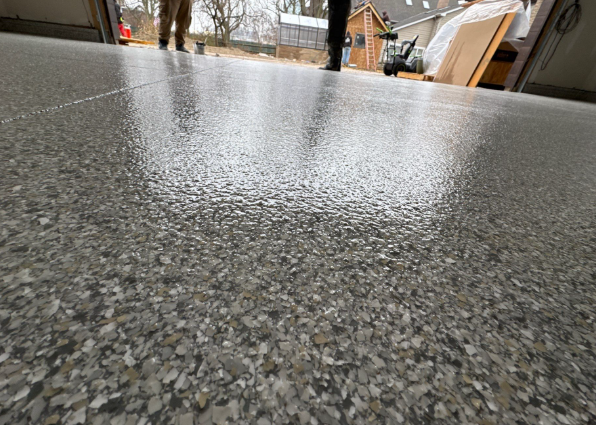
A garage floor faces daily challenges, from vehicle tires and oil drips to dust, moisture, and heavy equipment. Choosing a suitable coating can protect the concrete while making the entire space look cleaner and more professional. Flake garage floor coating combines a resin-based foundation with decorative flakes and a protective topcoat to create an attractive, durable surface. This flooring solution is suitable for residential garages, automotive workshops, storage facilities, and selected commercial environments where appearance and easy maintenance matter.
What Is Flake Garage Floor Coating?
Flake garage floor coating is a layered flooring system applied over properly prepared concrete. A typical installation includes a primer, a colored epoxy base coat, decorative vinyl flakes, and a clear protective topcoat. Together, these layers help improve the appearance of the floor and protect the underlying concrete from everyday wear.
The primer supports adhesion between the concrete and the coating. The base coat provides the background color, while decorative flakes create a speckled finish resembling granite or natural stone. The final clear coat seals the surface and contributes to abrasion resistance, cleanability, and overall durability.
Some systems use polyaspartic coatings as the finishing layer because of their particular performance characteristics. The best combination depends on the project environment, desired appearance, and product specifications.
Benefits of Installing a Flake Garage Floor
1. Attractive and Customizable Design
One of the main advantages of flake flooring is its design flexibility. Decorative flakes are available in different colors, sizes, and blends, allowing property owners to coordinate the floor with cabinets, walls, vehicles, or surrounding architecture.
Neutral gray and white combinations can create a clean, contemporary appearance, while darker blends may suit workshops and commercial garages. The scattered pattern can also help disguise minor visual imperfections, dust, and everyday marks.
2. Protection Against Everyday Wear
Garage floors experience repeated vehicle traffic, foot traffic, rolling toolboxes, and occasional impacts. A properly installed resin coating provides a protective layer that helps the concrete withstand these conditions.
The final performance depends on coating thickness, material quality, surface preparation, and the type of traffic involved. Areas exposed to heavy machinery may require a specialized system designed for higher mechanical loads.
3. Resistance to Oil and Common Spills
Oil, grease, cleaning products, and automotive fluids can leave persistent marks on untreated concrete. A properly sealed flake floor reduces liquid absorption and makes many common spills easier to remove.
Chemical resistance varies by formulation, so users should confirm compatibility before exposing the coating to aggressive chemicals. Prompt cleanup also helps maintain the floor’s appearance.
4. Easier Cleaning and Maintenance
The sealed surface makes routine maintenance more convenient than cleaning porous concrete. Dust and debris can generally be swept away, while dirt and suitable spills can be removed using a mop and an approved cleaning solution.
Because the coating creates a continuous surface, there are fewer places for dirt to collect. Regular cleaning helps preserve the decorative finish and identify any damage before it becomes more serious.
5. Improved Surface Texture
Decorative flakes create surface texture, and the selected topcoat can influence the floor’s traction. When additional anti-slip properties are required, a suitable aggregate or textured finish may be incorporated into the system.
However, no coated floor is automatically slip-proof. Water, oil, and cleaning residues can still create hazards, so the finish should be selected according to the intended use.
Where Can Flake Floor Coatings Be Used?
Flake garage flooring is suitable for more than private parking areas.
- Residential garages: Improve the appearance of concrete while supporting everyday vehicle parking and storage.
- Automotive workshops: Create a cleanable surface for routine maintenance and light repair activities.
- Basements and home gyms: Provide a decorative finish that is easier to maintain than untreated concrete.
- Retail and commercial spaces: Deliver a consistent appearance in selected showrooms, service areas, and customer-facing facilities.
- Warehouses and industrial areas: Support appropriate flooring applications where regular traffic and routine cleaning are important.
Before selecting a system, assess traffic intensity, moisture exposure, chemical contact, and the condition of the existing slab.
Understanding the Installation Process
Successful installation begins with preparing the concrete. Dirt, oil, old coatings, and weak surface material must be removed. Mechanical grinding or another suitable preparation method may be necessary to create a surface that supports proper adhesion.
Cracks and damaged areas should be repaired using compatible materials. After preparation, the installer applies the recommended primer and colored base coat. Decorative flakes are then broadcast over the appropriate layer, followed by removal of excess material once the coating has reached the required stage.
Finally, a compatible clear topcoat seals the surface. Mixing ratios, application temperatures, recoat intervals, and curing periods must follow the manufacturer’s instructions. Allowing the coating to cure fully before vehicle traffic is essential for achieving the intended performance.
Choosing a Suitable Coating Supplier
When comparing products, consider adhesion, abrasion resistance, chemical compatibility, curing time, available flake colors, and technical support. Confirm that the complete system is compatible rather than selecting individual coating components without checking their specifications.
Jincheng Resin offers flake epoxy floor coating solutions with customizable decorative options and coordinated coating materials. Buyers should consult the supplier for current specifications, recommended installation procedures, and product guidance suited to their project.
See also: SEO Strategies for Modern Websites
Conclusion
Flake garage floor coating combines decorative appeal with practical surface protection. Its customizable appearance, resistance to many everyday spills, and convenient maintenance make it a valuable option for garages, workshops, and selected commercial spaces. With appropriate product selection, thorough concrete preparation, correct installation, and routine care, a flake-coated floor can provide an attractive and functional finish for years to come.