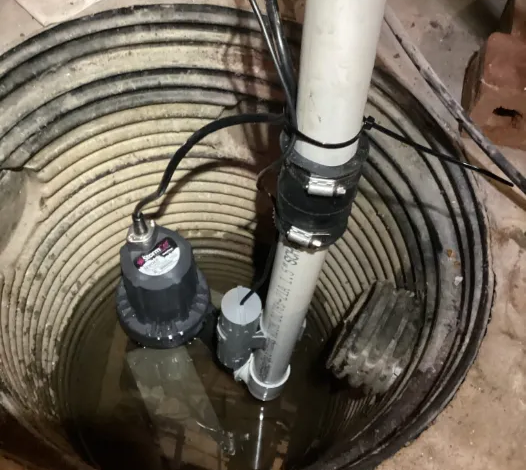
Water is one of the biggest threats to a home’s foundation and basement. Even a small amount of water intrusion can lead to expensive repairs, mold growth, damaged belongings, and structural issues over time. While homeowners often focus on roofing, plumbing, or HVAC maintenance, many overlook one of the most important systems protecting their property—a sump pump.
A sump pump is designed to remove excess groundwater before it has a chance to flood your basement or crawl space. Installed in a specially constructed pit at the lowest point of the home, the pump automatically activates when water reaches a predetermined level. It then moves the water away from the foundation through a discharge pipe, helping keep the basement dry during heavy rain or periods of high groundwater.
Many homeowners assume they only need a sump pump if they have experienced flooding in the past. In reality, weather patterns can change quickly, and even homes that have never had water problems can suddenly experience basement flooding after a severe storm. Heavy rainfall, rapid snowmelt, clogged drainage systems, and rising groundwater can all create conditions where a sump pump becomes the first line of defense.
Routine maintenance is essential to ensure a sump pump works when it’s needed most. Homeowners should periodically test the system by pouring water into the sump pit to verify that the float switch activates the pump properly. It’s also important to inspect the discharge pipe for blockages and ensure water is being directed well away from the home’s foundation. A professional inspection once a year can identify worn components before they fail during a storm.
See also: How Technology Is Transforming the Home Buying Experience
Power outages are another concern during severe weather. Because storms often knock out electricity, many homeowners choose to install a battery backup sump pump. This secondary system automatically takes over if the primary pump loses power, providing continued protection until electricity is restored. Some backup systems can operate for several hours or even days depending on water conditions and battery capacity.
Homeowners should also understand that not all sump pumps are created equal. Pedestal pumps place the motor above the sump pit, making them easier to service and often longer lasting. Submersible pumps operate underwater inside the pit, making them quieter and less visible while typically handling larger amounts of water. The right choice depends on the home’s drainage needs, basement size, and expected water volume.
Proper installation plays a major role in long-term reliability. An improperly sized pump or poorly installed discharge line may struggle during heavy rainfall, increasing the risk of flooding. Working with experienced professionals ensures the system is correctly sized, installed, and tested for the home’s specific conditions. Homeowners searching for a dependable Indianapolis IN sump pump should look for a company that provides expert installation, maintenance, inspections, and emergency service when unexpected problems arise.
Beyond flood prevention, a properly functioning sump pump can improve overall indoor air quality. Moisture in basements creates ideal conditions for mold and mildew growth, which can spread throughout the home and contribute to unpleasant odors. By removing excess water before it accumulates, a sump pump helps maintain a drier environment and protects flooring, drywall, insulation, furniture, and stored belongings.
Modern sump pump systems often include smart monitoring technology that alerts homeowners if a problem occurs. Wi-Fi enabled monitoring devices can send notifications when water levels rise, power is lost, or the pump fails to activate. These systems provide added peace of mind, particularly for homeowners who travel frequently or own seasonal properties.
Regular inspections of the entire drainage system are equally important. Clean gutters, properly functioning downspouts, and effective grading around the home’s foundation all help reduce the amount of water reaching the sump pit. Together, these systems work alongside the sump pump to minimize the risk of water intrusion.
Replacing an aging sump pump before it fails can prevent significant repair costs. Most quality pumps have an average lifespan of seven to ten years, although heavy usage may shorten their service life. Warning signs such as unusual noises, frequent cycling, vibration, or reduced pumping performance should not be ignored. Addressing these issues early is far less expensive than repairing a flooded basement.
Investing in a reliable sump pump is one of the smartest ways to protect a home’s value. Whether your property has experienced flooding before or you simply want peace of mind during severe weather, maintaining a dependable sump pump system provides year-round protection. Combined with regular maintenance and professional inspections, this simple device can save homeowners thousands of dollars in water damage repairs while helping preserve a dry, healthy, and comfortable living environment for years to come.