Whole-Home Exterior Refresh: How to Plan Windows, Siding, Drainage, and Outdoor Updates

Key Takeaways
- Plan the exterior as one connected system.
- Fix safety, leaks, and drainage issues first.
- Compare materials based on cost, durability, and maintenance.
- Coordinate windows, doors, siding, gutters, and trim.
- Get clear estimates and confirm permits before work.
- Follow a logical project sequence to avoid rework.
A whole-home exterior refresh can improve comfort, weather protection, curb appeal, and the everyday usability of a property. The strongest results come from treating the exterior as a connected system rather than a list of unrelated purchases. For example, a soft lite patio door installation should be planned alongside surrounding trim, flashing, siding, drainage, and the way the doorway will be used. Starting with the most visible improvement is not always the best decision. A new finish may look great, but it cannot correct water that is running toward the foundation, a leaking roof edge, or a soft section of wall sheathing. A careful plan helps homeowners address underlying concerns first, coordinate trades more effectively, and make design decisions with a clearer long-term goal in mind.
Why Exterior Projects Work Better As A Plan
Windows, doors, gutters, siding, trim, and outdoor living areas all meet at important transition points. A siding project may expose aging flashing. A window replacement may require new exterior trim. A deck addition can change how water moves across the yard or how people enter the home. Considering these connections early can reduce duplicate labor and avoid tearing into newly completed work. A simple example is lower-wall siding that has deteriorated near a downspout. Replacing the siding before correcting the discharge point risks causing the same damage again. A better approach is to address drainage, inspect the wall behind the damaged area, complete needed repairs, and then install the new finish.
Step 1: Inspect The Home From Top To Bottom
Begin with a slow exterior walkaround on a dry day, then take another look after rainfall if it is safe to do so. The objective is not to diagnose every condition independently. It is to create a useful list of observations that can guide conversations with qualified contractors.
Inspection Points To Include
- Roof edges, flashing, soffits, fascia, and visible water stains.
- Gutters, downspouts, loose fasteners, and areas where water puddles.
- Window frames, caulking, trim, operation, and visible condensation.
- Exterior doors, thresholds, weatherstripping, locks, and sill areas.
- Cracked, warped, loose, soft, or visibly deteriorated siding.
- Deck boards, railings, stairs, posts, and connectors.
- Soil, mulch, paving, and landscaping that slope toward the foundation.
Step 2: Set Priorities And A Practical Budget
Divide potential projects into urgent repairs, performance improvements, and appearance upgrades. This framework prevents a new color, trim profile, or deck surface from taking priority over a leak, an unstable railing, or a drainage issue.
- Address safety concerns first. Loose handrails, unstable stairs, damaged entry surfaces, and obvious structural concerns deserve prompt attention.
- Control water next. Roof leaks, failing gutters, poor grading, and unsealed exterior openings can affect multiple parts of the home.
- Improve comfort and operation. Drafty windows, difficult doors, failed hardware, and damaged seals can affect daily use.
- Finish with visual upgrades. Siding, paint, lighting, and landscaping are more likely to last when the underlying components are sound.
Build a budget that includes product costs, labor, permits where required, disposal, and a contingency for conditions found after old materials are removed. Ask each contractor to identify what is included, what could become a change order, and who is responsible for repair work if hidden damage is discovered.
Step 3: Improve Water Control First
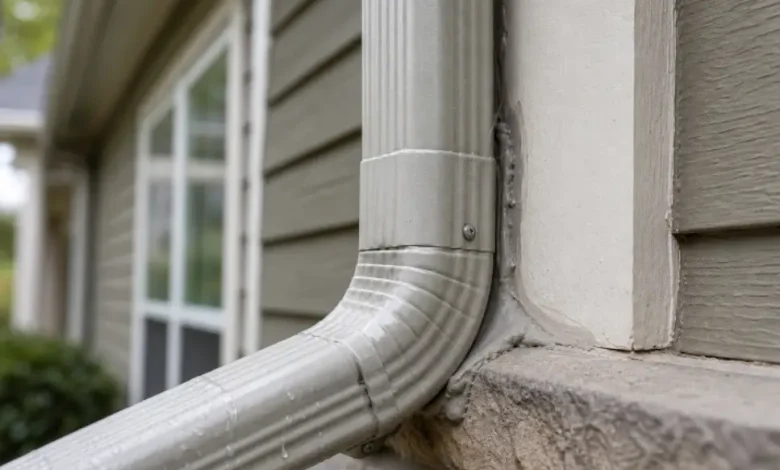
Water management should be central to exterior planning. Gutters and downspouts need to collect roof runoff and direct it away from the building, while nearby soil should encourage surface water to drain away from the foundation. The EPA notes that leaks, missing gutters, and ground that slopes toward a house can contribute to moisture problems, making controlling moisture in the home an important part of an exterior strategy.
Water-Control Checklist
- Remove leaves and debris from gutters.
- Look for sagging sections, leaks, and loose hangers.
- Confirm downspouts discharge away from the foundation.
- Check for standing water after rain.
- Inspect wall areas below windows and doors for staining or softness.
- Adjust sprinklers so they do not repeatedly spray siding or masonry.
- Ask how flashing will be handled around roof intersections, windows, and doors.
Step 4: Review Windows And Doors
Windows and doors affect daylight, ventilation, noise, security, comfort, and weather resistance. Replacement may be appropriate when units are difficult to operate, frames are damaged, insulated-glass seals have visibly failed, or drafts persist despite reasonable maintenance. However, the surrounding opening matters as much as the product itself. Proper flashing, shimming, sealing, and trim details help manage water at the perimeter.
See also How to Turn Challenges into Business Opportunities
Questions To Ask Before Replacing Them
- Is the concern with glass, frame, hardware, weatherstripping, or the wall around the opening?
- Does that side of the home receive strong sun, wind-driven rain, or frequent weather exposure?
- Will the new unit change ventilation, access, or furniture placement?
- How will the installer integrate flashing with the wall assembly?
- Will proportions, trim, and hardware complement the home’s exterior style?
- Do local permits, association rules, or historic-district requirements apply?
Step 5: Compare Siding Materials
Siding selection should go beyond color and initial cost. Compare the maintenance routine, moisture exposure, impact considerations, repair approach, available profiles, trim options, and manufacturer installation requirements. The final choice should also fit the home’s architecture and the local climate.
- Fiber cement: Often selected for its substantial appearance and broad range of lap, panel, and shingle-style profiles.
- Vinyl: Commonly chosen for low routine maintenance and varied style options.
- Engineered wood products: Can provide a wood-like appearance with maintenance needs that vary by product system.
- Natural wood: Offers a traditional look but generally requires regular inspection and finish maintenance.
- Metal: Can suit modern designs and specific durability goals when detailed correctly for the application.
Remember that siding is only the visible layer. Drainage planes, flashing, trim, ventilation details, and repairs to the wall behind the cladding should be resolved before the new siding is installed.
Step 6: Add Outdoor Living Features
Decks, porches, and entry updates can make outdoor space more functional, but planning should include structure, drainage, lighting, circulation, and maintenance. A smaller deck with a clear route from the door to seating and dining areas often works better than a larger platform where furniture blocks movement or water collects near the house.
Planning Questions
- How many people will use the space at one time?
- Will it support dining, relaxing, grilling, storage, or several activities?
- Does it connect naturally to the kitchen, living room, or yard?
- How will rainwater drain from the surface and away from the house?
- Are stairs, railings, and lighting practical after dark?
- What cleaning, sealing, staining, or seasonal maintenance will the material require?
Step 7: Build A Smart Project Sequence
A typical exterior refresh often follows this order:
- Inspect the property and take measurements.
- Repair active leaks and unsafe conditions.
- Improve drainage, gutters, and downspouts.
- Finalize window and door decisions.
- Complete wall repairs, flashing, and related insulation work.
- Install siding or other exterior finishes.
- Add deck, porch, lighting, and landscape improvements.
- Conduct a final walkthrough and create a maintenance plan.
The order can change when roofing, foundation repair, structural work, or local code requirements are involved. Conditions that are unsafe, concealed, or difficult to access should be evaluated by an appropriately qualified professional.
Common Questions About Exterior Updates
Should Gutters Be Replaced Before Siding?
Often, drainage corrections should come first. Gutters may need to be removed or temporarily lowered during siding work, and correcting runoff before installing new cladding helps protect the investment.
Is It Better To Replace All Windows At Once?
Not necessarily. A phased project can make sense when only certain windows have clear performance or condition issues. Keep in mind that matching profiles, colors, and glass options later may be more difficult if a product line changes.
What Should A Contractor Estimate Include?
Look for product specifications, quantities, removal and disposal details, labor, flashing and water management work, permits, timeline expectations, warranty information, payment terms, and change order procedures.
Conclusion
A successful exterior refresh begins with a coordinated plan, not a single product choice. Homeowners should start by inspecting the existing exterior, identifying areas that need repair, and considering how different improvements will work together. Proper water management, drainage, flashing, and moisture protection should be addressed alongside decisions about siding, roofing, windows, doors, landscaping, and other exterior features. Setting clear priorities can also help homeowners manage the project within their budget and avoid completing work in an inefficient order. By inspecting the home, managing water, setting priorities, and completing work in a logical sequence, homeowners can create an exterior that looks intentional while supporting comfort, durability, safety, energy efficiency, and long-term maintenance.