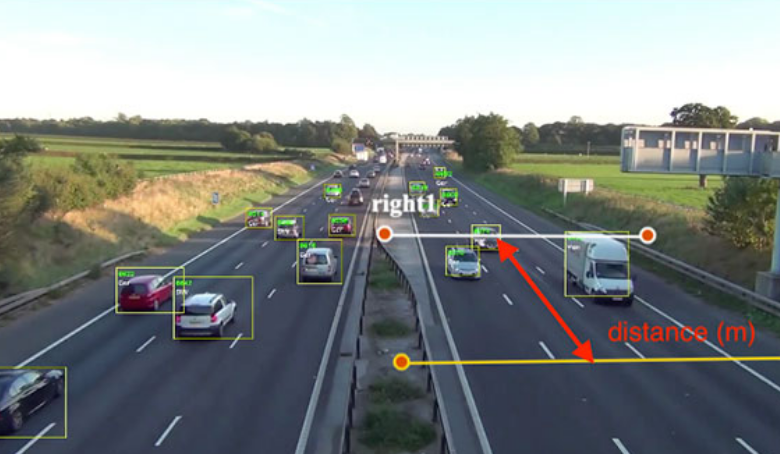
Maintaining safe vehicle speeds is essential for reducing road risks and improving traffic flow. Drivers sometimes overlook posted speed limits, especially on unfamiliar roads or in areas where restrictions change. A modern vehicle speed sign helps address this issue by detecting approaching vehicles and displaying their actual speed through a digital LED screen. By providing immediate visual information, these signs can encourage motorists to pay attention to speed limits and make more responsible driving decisions.
What Is an Electronic Vehicle Speed Sign?
An electronic vehicle speed sign is a traffic safety device that measures the speed of approaching vehicles and displays the result in real time. Unlike traditional road signs that show only a fixed speed limit, electronic signs provide feedback based on individual vehicle movement.
Most systems use Doppler radar technology to detect approaching traffic. After measuring a vehicle’s speed, the internal controller processes the information and displays it on an LED screen. Some models also use different colors and warning symbols to indicate whether a vehicle is traveling within the configured speed limit.
Key Technologies Behind Modern Speed Signs
1. Advanced Radar Detection
Radar technology plays an important role in accurate vehicle speed measurement. The Sinowatcher radar speed sign uses 24.125 GHz Doppler radar technology to detect approaching vehicles.
The system supports a speed measurement range of 10–250 km/h and offers a standard detection distance of approximately 100 meters. Optional configurations can provide detection distances of 150 or 200 meters, depending on project requirements.
2. Clear LED Speed Display
Visibility is essential for roadside safety equipment. Bright LED digits allow motorists to recognize their speed readings without spending unnecessary time looking away from the road.
The featured model uses red and green LED displays. Green indicates that a vehicle is traveling within the configured speed threshold, while red digits and a warning symbol alert drivers when they exceed it.
This simple visual feedback makes speed information easier to understand.
3. Flexible Power Supply
Different installation sites have different electrical requirements. Solar-powered operation with battery backup can be useful for remote roads and locations without convenient access to conventional power.
External DC power is another available configuration. These options allow traffic authorities and contractors to choose a suitable power arrangement based on installation conditions.
4. Adjustable Operating Settings
Speed limits vary according to road type and local regulations. Adjustable thresholds allow authorized personnel to configure the equipment for school zones, residential streets, highways, and temporary construction areas.
Depending on the configuration, operating schedules and feedback symbols can also be customized to meet specific traffic management needs.
5. Traffic Speed Data Logging
Some modern speed signs can record vehicle speed information for later review. This information helps traffic managers understand driving patterns and identify locations where speeding may be a recurring concern.
Collected data can support decisions about additional road signs, traffic-calming measures, or other safety improvements.
Common Applications of Vehicle Speed Signs
Electronic speed signs can be installed in various environments:
- School zones: Encourage drivers to slow down near school entrances and pedestrian crossings.
- Residential neighborhoods: Improve awareness of local speed limits in areas shared by vehicles and pedestrians.
- Construction sites: Provide additional reminders around roadworks and temporary traffic arrangements.
- Highway approaches: Help motorists monitor speed when approaching ramps or changing road conditions.
- Industrial facilities: Support vehicle movement management around warehouses and private access roads.
The best installation location depends on traffic volume, road design, visibility, and applicable speed restrictions.
Benefits for Road Safety and Traffic Management
A vehicle speed sign provides drivers with immediate information about their current speed. This personalized feedback may encourage motorists to reduce excessive speed voluntarily.
For traffic authorities, these systems can complement conventional road signs, warning lights, pedestrian crossings, and enforcement programs. Where data logging is available, recorded speed information can also help identify traffic patterns and assess the need for further improvements.
However, electronic speed signs should be used as part of a wider road safety strategy rather than as a replacement for enforcement or proper road design.
Choosing the Right Speed Sign
Before selecting equipment, buyers should evaluate radar detection distance, measurement range, LED display size, power options, mounting requirements, and data logging capabilities. Outdoor durability, maintenance needs, technical support, and spare parts availability are equally important.
Comparing these factors with the project’s actual requirements can help ensure reliable operation and long-term value.
See also: How to Turn Challenges into Business Opportunities
Conclusion
Electronic vehicle speed signs combine radar detection and digital displays to improve driver awareness and support safer traffic management. With visible LED feedback, adjustable settings, flexible power options, and optional data logging, these systems can serve different road environments.
Choosing appropriate equipment and installing it correctly can help traffic managers encourage responsible driving and contribute to safer roads for everyone.