If you share your life with animals, you already know how quickly worry can set in. A pet gets sick, a farm animal starts acting off, or you hear about a disease spreading in another state, and your mind goes straight to your family, your staff, and the animals that depend on you. That stress is real because zoonotic disease does not stop at the exam room door. It can move between animals and people, disrupt households and businesses, and turn a small health issue into a public one. In some cases, concerns about treatment options may also lead people to search for specialized care such as orthopedic surgery for pets in Fullerton CA.
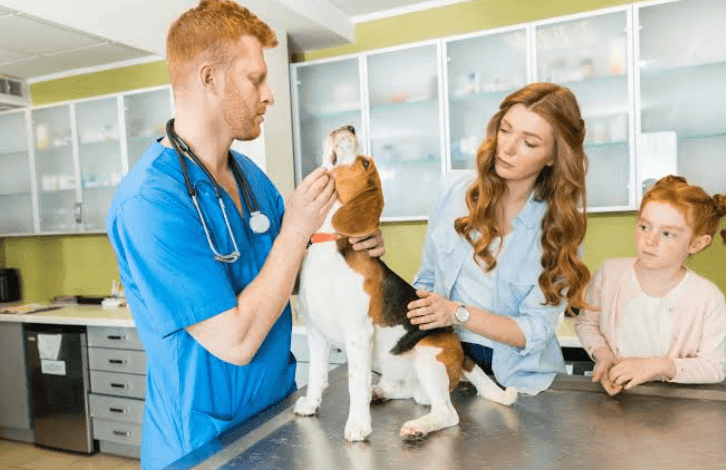
Veterinary hospitals sit at the center of that risk. They catch early signs of illness, guide testing, report concerns, and teach people how to lower exposure at home, on farms, and in public spaces. In plain terms, the role of veterinary hospitals in preventing zoonotic diseases is early detection, fast action, and practical prevention that protects both animal and human health.
Veterinary hospitals catch zoonotic threats before they spread
You do not always get a clear warning when an animal carries something that can infect people. A dog with diarrhea, a cat with a skin lesion, backyard poultry with mild breathing issues, or livestock with fever can look like routine cases at first. That is exactly why veterinary hospitals matter. They are trained to spot patterns that owners may miss, ask the right exposure questions, and connect symptoms to larger disease risks.
This is where a veterinary hospital does far more than treat one animal. Staff look at travel history, bite exposure, vaccination status, parasite control, wildlife contact, food handling, and sanitation practices. Those details help identify diseases such as rabies, salmonellosis, leptospirosis, ringworm, avian influenza, and other infections that can pass from animals to humans.
When that first layer of screening does not happen, people lose time. A family may keep handling an infected pet without precautions. Farm workers may continue moving between animals and barns. Children, older adults, pregnant people, and anyone with a weaker immune system often face the highest risk. A delay of even a few days can widen exposure and increase treatment costs.
Zoonotic disease prevention depends on surveillance, reporting, and infection control
Good care is not only about diagnosis. It is also about systems. Veterinary hospitals help prevent spread by using isolation protocols, personal protective equipment, cleaning standards, lab testing, and case reporting when a disease may affect public health. That work supports broader zoonotic disease prevention in veterinary care, which depends on many people acting quickly and in sync.
Federal and public health agencies provide guidance that supports this work. The CDC offers veterinary clinical resources for healthy pets and zoonotic risk management. The USDA APHIS National Veterinary Accreditation Program outlines disease surveillance guidance for veterinarians. APHIS also explains how animal disease epidemiology supports outbreak response. Those systems matter because one case in one clinic can become part of a larger warning sign.
You see the value most clearly in real situations. A coughing dog at a routine visit may lead to questions about boarding exposure. A cat bite may trigger wound care advice and rabies review. A sudden illness in a herd may point to reportable disease concerns. Veterinary hospitals connect those dots fast, and that speed protects people as much as it protects animals.
Daily veterinary hospital practices reduce risk for families, staff, and communities
Prevention often looks ordinary from the outside. Vaccine reminders, fecal testing, parasite control, bite prevention counseling, safe handling instructions, and cleaning protocols can seem basic until you compare them to the cost of an outbreak. Missed prevention is expensive. It can mean medical bills, lost work, quarantine measures, livestock losses, and fear that lingers long after the infection clears.
The strongest hospitals treat prevention as part of every visit, not a side note. They train staff on hand hygiene and isolation. They separate sick animals when needed. They educate owners about litter boxes, raw diets, waste disposal, scratches, and proper child supervision around pets. In livestock settings, they also support biosecurity, movement control, and herd health planning. That is the practical side of animal to human disease prevention, and it works best when it is routine.
Prevention through veterinary hospitals compared with delayed or informal care
| Approach | What Usually Happens | Main Risk | Likely Outcome |
| Routine veterinary hospital care | Vaccines, parasite prevention, screening, owner education, early testing | Lower exposure and faster recognition of zoonotic disease | Smaller spread, lower treatment cost, better recovery |
| Waiting to see if symptoms pass | Illness progresses without diagnosis or precautions | More contact with family members, workers, and other animals | Higher chance of spread and more serious illness |
| Home treatment without veterinary input | Symptoms may be masked or misread | Missed reportable disease, wrong cleaning or handling steps | Delayed care and wider exposure |
| Outbreak response after multiple cases | Testing, tracing, restrictions, public health involvement | High financial and operational strain | Longer recovery for people, animals, and businesses |
Clear steps you can take right now
Schedule preventive care before there is a problem. Keep vaccines, parasite control, wellness exams, and diagnostic screening up to date. If your animal spends time outdoors, around wildlife, in boarding, on a farm, or near children or older adults, say that clearly during the visit.
Report unusual symptoms early and share the full picture. Do not trim the story down to one symptom. Mention diarrhea, coughing, skin changes, bites, travel, wildlife exposure, raw food diets, or herd illness. Those details help a veterinary hospital identify zoonotic risk faster.
Follow infection control advice at home and at work. Wash hands after handling animals, waste, feed, bedding, or litter. Clean surfaces the way your veterinary team recommends. Limit contact between sick animals and vulnerable people. If a veterinarian tells you to isolate an animal or seek medical care for a person, act on it the same day.
See also: How to Turn Challenges into Business Opportunities
Veterinary hospitals protect more than animal health
When people think about disease prevention, they often picture human hospitals first. The truth is that veterinary hospitals carry a large share of that work long before a person gets sick. They find risk early, guide safe care, and help stop animal illness from becoming a family, workplace, or community problem.
If you are worried about a pet, a herd, or possible exposure, trust that concern and get professional guidance. Prompt care protects the animals you love and the people around them.