Manufacturers working with metal sheets need cutting equipment that combines precision, dependable performance, and production flexibility. A metal fiber laser cutting machine uses concentrated laser energy and computer-controlled movement to produce accurate components for different industrial applications. Whether a business manufactures custom metal parts, electrical enclosures, automotive components, or structural products, choosing the right laser cutting system can improve workflow efficiency and support consistent manufacturing quality.
Understanding Fiber Laser Cutting Technology
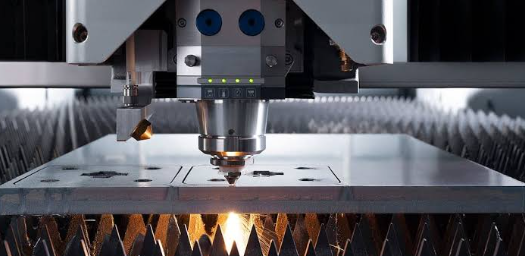
A fiber laser cutting machine generates a concentrated beam of light that transfers energy to a metal workpiece. The heat melts or vaporizes material along a programmed path, while assist gas helps remove molten metal from the cutting area. This process creates the desired shape without requiring a conventional mechanical blade.
Most industrial machines use computer numerical control (CNC) technology. Operators prepare digital drawings, configure cutting parameters, and program the machine to follow the required design. This makes it possible to produce detailed outlines, precise openings, curved profiles, and repeated components with consistent settings.
Depending on the system’s configuration, fiber laser machines can process carbon steel, stainless steel, aluminum, brass, and other compatible metals. Cutting capacity varies according to laser power, material composition, thickness, and the required edge finish.
Benefits of Using a Metal Fiber Laser Cutting Machine
Greater Cutting Precision
Precision is essential when components must fit accurately during assembly. Fiber laser technology can create narrow cutting paths and intricate shapes, helping manufacturers maintain dimensional consistency. Proper calibration, material positioning, and parameter selection remain important for achieving the desired results.
Improved Production Speed
Automated laser cutting can reduce the time required for repetitive fabrication tasks. Once a design is programmed, the machine follows the cutting path with limited manual intervention. This can improve throughput for manufacturers producing large batches or handling multiple custom orders.
Actual processing speeds depend on material thickness, laser power, geometry, and machine configuration, so businesses should evaluate performance using representative cutting samples.
Better Material Utilization
Metal sheets can account for a significant share of manufacturing expenses. Nesting software arranges component designs on a sheet to use the available space efficiently. Effective nesting can reduce scrap, control material costs, and improve productivity across repeated production runs.
Flexible Design Changes
Fiber laser cutting allows manufacturers to change designs by updating digital programs rather than creating new cutting dies for every shape. This flexibility supports prototype development, custom orders, and product variations without extensive tooling changes.
Consistent Manufacturing Results
A properly maintained machine with stable cutting parameters can produce repeatable components. This helps businesses standardize production processes, reduce dimensional variation, and simplify quality checks.
Common Applications Across Industries
Metal fiber laser cutting machines support a wide variety of manufacturing activities.
- Automotive manufacturing: Producing brackets, mounting plates, panels, and other metal components.
- Construction: Cutting connection plates, supports, metal panels, and customized structural parts.
- Electrical equipment: Manufacturing control cabinets, enclosures, mounting plates, and equipment housings.
- Agricultural machinery: Producing frames, protective covers, machine brackets, and replacement parts.
- Furniture manufacturing: Creating metal frames, decorative panels, shelving, and customized furniture components.
- General fabrication: Supplying precision-cut parts to machinery producers, industrial contractors, and equipment manufacturers.
These applications demonstrate the versatility of fiber laser technology when equipment is matched to the required materials and production conditions.
Important Factors When Selecting Equipment
Choosing a machine requires a clear understanding of current production needs and future business plans.
Material and thickness: List the metals processed most frequently and identify the maximum thickness required. Confirm the machine’s cutting capabilities for each material rather than relying on general power ratings.
Laser power: Higher power may support faster cutting or thicker materials under suitable conditions. However, the ideal power level depends on the workload, product mix, operating budget, and desired output.
Working area: Select a cutting bed that accommodates common sheet dimensions and allows safe, convenient loading and unloading.
CNC software: Look for compatible design formats, intuitive controls, and nesting features that simplify production planning.
Operating costs: Consider electricity consumption, assist gas, cooling requirements, replacement parts, maintenance, and operator training when estimating the total cost of ownership.
HS Laser provides industrial laser equipment for different manufacturing requirements. Businesses exploring its metal fiber laser cutting machine range can review available configurations and discuss their specific applications with the supplier. Requesting a cutting demonstration or sample parts can help establish whether a proposed system meets the required quality standards.
Maintenance and Safety Requirements
Routine maintenance helps protect cutting accuracy and reduce unexpected downtime. Operators should inspect protective lenses, cutting nozzles, cooling systems, optical components, and other parts according to the manufacturer’s recommendations.
Industrial laser systems also require suitable safety controls. Depending on the machine, these may include protective enclosures, interlocks, warning indicators, wavelength-appropriate protective eyewear, and effective smoke extraction. Operators should receive training and follow established safety procedures.
Regular inspections and documented servicing help maintain reliable operation and extend the useful life of the equipment.
Conclusion
A metal fiber laser cutting machine can help manufacturers improve cutting precision, production flexibility, and material efficiency. Its CNC-controlled operation supports applications across automotive, construction, electrical, agricultural, and general fabrication industries. By evaluating material requirements, cutting capacity, software, operating expenses, maintenance, and supplier support, businesses can select a suitable machine that meets current production demands and supports long-term growth.