Comprehensive Elevator Service: Improving Building Safety, Efficiency, and Reliability

Modern buildings depend on elevators to provide convenient and accessible transportation between floors. From residential apartments and office complexes to hospitals, hotels, and industrial facilities, reliable vertical transportation supports everyday operations. Professional elevator service helps building owners maintain equipment performance, address technical issues, and plan for long-term reliability. A complete service strategy can include engineering, installation, preventive maintenance, repairs, and modernization throughout an elevator’s lifecycle.
Understanding the Importance of Elevator Service
An elevator is a complex system that combines mechanical components, electrical equipment, control technology, and safety devices. These elements must operate together to provide smooth and dependable transportation. Regular servicing helps identify developing problems, monitor component condition, and reduce the likelihood of unexpected breakdowns.
For property managers, elevator downtime can inconvenience residents, employees, visitors, and customers. In facilities such as hospitals, reliable elevator operation is particularly important for moving patients, staff, and equipment. A structured maintenance program helps organizations manage these operational needs while ensuring that inspections and repairs are handled by qualified professionals.
Essential Types of Elevator Services
1. Preventive Maintenance
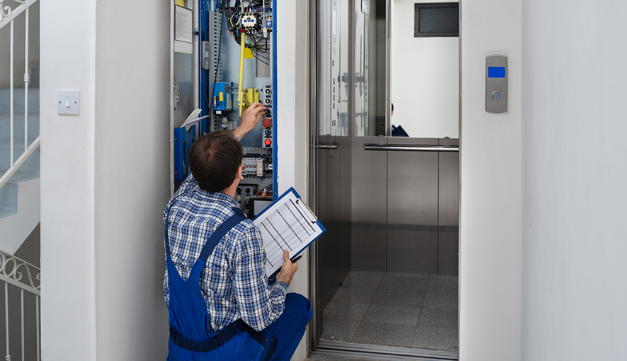
Preventive maintenance focuses on keeping elevator equipment in suitable operating condition through scheduled inspections and servicing. Depending on the system, maintenance may include examining door mechanisms, checking electrical connections, inspecting braking components, lubricating designated parts, and testing safety functions.
The maintenance schedule should reflect the manufacturer’s instructions, equipment usage, building conditions, and applicable regulations. High-traffic commercial buildings may require different service arrangements from smaller residential properties.
Keeping detailed service records is equally important. These records help technicians identify recurring faults, track component replacements, and plan future maintenance activities more effectively.
2. Installation and Commissioning
New elevator installation begins with understanding the building’s requirements. Factors such as the number of floors, passenger capacity, shaft dimensions, traffic demand, and intended application influence equipment selection and system design.
Professional installation requires coordination between elevator specialists, architects, construction contractors, and electrical teams. After installation, commissioning includes checking system operation, verifying relevant safety functions, and completing the required inspections before the elevator enters service.
GOTS Elevator presents a range of integrated capabilities covering engineering, manufacturing, installation, modernization, and maintenance. This approach can be useful for developers seeking a supplier that supports multiple stages of an elevator project.
3. Repair and Troubleshooting
Elevators may develop problems because of component wear, electrical faults, door-system issues, or intensive operation. Warning signs can include unusual sounds, inconsistent leveling, doors that fail to close correctly, or unexpected shutdowns.
Qualified technicians investigate these symptoms to identify the underlying cause and determine the appropriate corrective action. Depending on the findings, the solution may involve adjustment, repair, software diagnostics, or replacement of a damaged component.
Passenger safety must always come first. Anyone trapped inside an elevator should use the emergency communication system and wait for trained assistance. Building staff and passengers should never attempt unauthorized repairs or force elevator doors open.
4. Modernization and System Upgrades
Older elevators may require modernization when their components become difficult to maintain or their performance no longer meets current operational needs. Depending on the condition of the installation, upgrades may involve control systems, drive technology, door operators, lighting, communication equipment, or cabin interiors.
Modernization can improve ride quality, accessibility, and energy performance when the selected upgrades are appropriate for the existing equipment. A professional assessment helps determine whether targeted improvements are practical or whether full replacement offers better long-term value.
Building owners should compare project costs, expected benefits, equipment compatibility, downtime, and applicable safety requirements before making a decision.
How to Choose a Reliable Elevator Service Provider
Selecting the right service provider involves more than comparing prices. Customers should assess technical experience, relevant qualifications, access to compatible spare parts, warranty conditions, and the availability of trained technicians.
It is also important to clarify the provider’s service coverage. An elevator manufacturer may supply equipment internationally but depend on local partners for installation, maintenance, and emergency assistance. Before signing a contract, confirm who will perform the work, how faults can be reported, and what response times are guaranteed.
Ask for a clear maintenance plan, service documentation, applicable certificates, and references from comparable projects. Written agreements help establish responsibilities and reduce misunderstandings.
Technology and the Future of Elevator Maintenance
Digital monitoring is becoming increasingly useful in elevator management. Depending on the equipment, monitoring systems can collect operational information, record fault codes, and help technicians recognize abnormal behavior.
Predictive maintenance uses available data to support maintenance planning and identify components that may need attention. These tools can improve visibility into equipment performance, but they do not replace physical inspections, qualified technicians, or mandatory safety checks.
Energy-efficient drives, improved control systems, and intelligent operating strategies may also reduce unnecessary energy use when properly configured for the building.
See also: How to Turn Challenges into Business Opportunities
Conclusion
Comprehensive elevator service is essential for maintaining reliable vertical transportation in modern buildings. Preventive maintenance, professional installation, timely repairs, and carefully planned modernization all contribute to equipment performance and passenger safety.
By working with qualified service professionals, maintaining accurate records, and following manufacturer recommendations, property owners can make informed decisions about their elevator systems. Whether managing an existing installation or planning a new building project, a lifecycle-focused service strategy supports dependable operation, efficient maintenance planning, and long-term value.