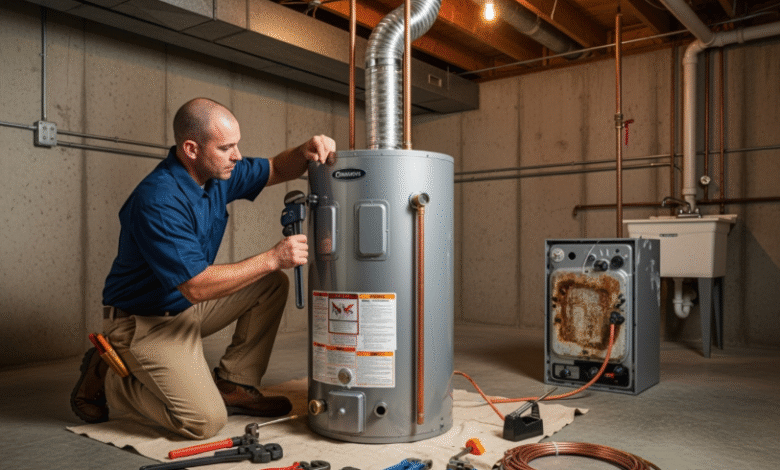
Taking proactive steps to maintain your water heater can prevent unexpected breakdowns and save money on repairs over time. Regular attention not only ensures the consistent supply of hot water but can also help you avoid the inconvenience of untimely replacements. Whether you are a new homeowner or simply want to maximize your investment, learning about professional water heater installation and maintenance best practices will keep your water heater reliable and efficient.
Simple tasks such as regulating the temperature, flushing the tank, and monitoring for leaks can make a major difference in how well your heater performs. By keeping up with key maintenance tasks, you reduce wear and tear on the system, improve energy efficiency, and catch small issues before they turn serious. These straightforward actions can help your heater last for many years, postponing the need for a costly replacement and ensuring your family’s comfort in every season.
Many homeowners underestimate the value of regular inspections and preventative measures. With the right techniques, you can enjoy improved safety, optimal performance, and reduced utility bills. Maintenance is not complicated when you have the right knowledge and tools, and it pays off in the long term with peace of mind and savings.
Regular Flushing to Remove Sediment
Minerals and debris from your water supply naturally accumulate at the bottom of a water heater tank. Over months and years, this sediment reduces your water heater’s efficiency and can cause premature system breakdown. Performing an annual tank flush helps eliminate this buildup. The process involves shutting off the heater’s power or gas supply, attaching a garden hose to the drain valve, and draining the tank to remove accumulated sediment. Once finished, remember to refill the tank and restore the power or gas flow. Annual flushing ensures your heater operates efficiently and extends its lifespan. According to HGTV’s maintenance guide, this one task can lower your utility bills and ward off repairs caused by internal corrosion.
Anode Rod Inspection and Replacement
Inside your water heater, the anode rod acts as the tank’s first line of defense against corrosive particles in the water. This metal rod, usually made of magnesium or aluminum, attracts corrosive elements, so they attack the rod rather than the tank lining. Inspect the anode rod every two to three years. If it appears thin or coated with calcium, it should be replaced. Neglecting this small but essential component can lead to tank rust and leaks, shortening the heater’s life. Proper anode rod maintenance protects your tank from the inside out and is recommended by most manufacturers and plumbing professionals.
Optimal Temperature Settings
Setting your water heater’s thermostat to 120°F strikes an optimal balance between efficient energy usage and consumer safety. Higher temperatures not only increase the risk of burns, especially for children and seniors, but also raise energy bills and accelerate wear on tank components. A setting of 120°F helps prevent mineral buildup, reduces scalding hazards, and minimizes standby heat loss. The U.S. Department of Energy recommends this as the ideal setting to save money without sacrificing performance.
Insulating the Tank and Pipes
Losing heat as hot water travels from the tank to your faucet is not just wasteful; it also makes your water heater work harder. Insulating both the tank and the first few feet of hot and cold water pipes is a simple DIY task that yields substantial benefits. Proper insulation improves heat retention, reduces energy costs, and reduces system workload. Always leave clearance for the thermostat and burner compartment when applying insulation materials, particularly on gas water heaters. For instructions and safe materials, refer to your manufacturer’s installation guidance.
Testing the Pressure Relief Valve
The pressure relief valve serves as a critical safety device. It is designed to release pressure if levels inside the tank become too high. To test yours, simply place a bucket under the discharge pipe, then gently lift the test lever to allow a burst of water to escape. After releasing the lever, the flow should immediately stop. If the valve drips or does not function as expected, prompt replacement is essential to prevent potential tank ruptures, which can be a safety hazard.
Installing a Water Softener
In areas with hard water, excess minerals can build up inside your water heater, forming sediment and impeding heating efficiency. A water softener removes these minerals, protecting the integrity of your tank and plumbing system. Over the long term, water softeners help reduce sediment buildup, making maintenance easier and extending the lifespan of your water heater.
Scheduling Professional Inspections
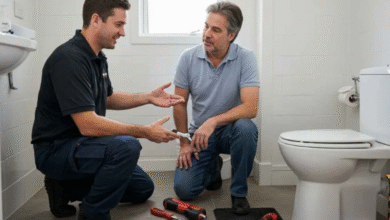
Scheduling annual inspections with a qualified plumber helps catch developing issues before they result in appliance failure. Professionals can spot signs of rust, inspect for leaks, check the thermostat and heating elements, and test safety valves. Early detection of minor faults prevents costly repairs later and ensures your water heater continues to run safely and efficiently.
See also: How to Choose Lighting That Highlights Your Home’s Features
Monitoring for Leaks and Corrosion
Keep an eye on your water heater for early signs of trouble, such as moisture pooling near the tank, rust spots on components, or corrosion around joints. Promptly addressing these minor problems can prevent major water damage and costly replacements. Consistent vigilance is often the simplest and most cost-effective way to extend the life of your water heater.
By following these easy yet effective steps, you can ensure reliable hot water, reduce your household energy consumption, and extend your water heater’s service life. These preventive measures not only save money but also help you get the most from your existing equipment for years to come.