You bring your puppy home, and within days you notice the chewing, the sharp little nips, the random tooth on the floor, and breath that seems stronger than it should be for such a small face. It can feel like a lot at once. You are trying to keep shoes safe, hands safe, and your puppy comfortable, all while wondering what is normal and what needs a vet’s attention. If you need guidance, a vet surgery clinic in Richmond Hill can help you understand what is typical during teething and when to seek care.
The shift from baby teeth to adult teeth is a normal part of growing up, but it is also the point where small dental problems can start hiding in plain sight. A puppy dental checkup helps catch retained baby teeth, gum irritation, bite issues, and early plaque before they turn into pain or expensive treatment. For most puppies, the goal is simple. Make sure the adult teeth come in the way they should, and build habits that protect those teeth for life.
Puppy teething can look normal even when something is off
Puppies usually begin losing baby teeth around 3 to 4 months of age, and most adult teeth are in by about 6 to 7 months. During that stretch, chewing increases because the gums are sore and the mouth is changing fast. Some puppies drool more, eat a little slower, or seem crankier with toys they usually love. According to VCA’s guide on teeth, teething, and chewing in puppies, this stage often comes with normal discomfort, but it also needs monitoring.
The trouble is that dental issues do not always announce themselves clearly. A retained baby tooth may sit beside the incoming adult tooth, crowding the mouth and trapping food. You may see what looks like a “double tooth.” Sometimes the gums get red. Sometimes nothing looks dramatic, but your puppy starts avoiding chew toys on one side or paws at the mouth after eating.
That is where a puppy teeth checkup matters. Puppies do not get the benefit of waiting things out if the adult tooth is coming in the wrong place. Crowding can affect the bite, create plaque traps, and increase the chance of gum disease early in life. A small issue at five months can become a bigger problem by the first birthday.
Early dental exams protect more than your puppy’s teeth
Dental health is not just about a clean smile. It affects comfort, eating, play, and training. A puppy with a sore mouth may seem stubborn with crate treats, reluctant to learn fetch, or fussy with food. You might think the behavior is a phase when the real issue is tenderness or pressure in the mouth.
There is also the cost side, and many owners feel that stress right away. A routine exam is far easier on your budget than treatment for fractured baby teeth, extractions delayed too long, or advanced dental cleaning under anesthesia earlier than expected. Preventive care usually feels small in the moment. Repair work rarely does.
A dental visit at a small animal hospital also gives you a chance to ask the questions most people ask in private because they think they should already know the answers. Is the chewing normal? Should the baby canine still be there? Does bad breath mean infection? Is brushing even realistic with a puppy who thinks the toothbrush is a toy? Those are ordinary concerns, and they are easier to handle early.
A home check and a professional dental exam offer different value
| What You’re Checking | At Home | At a Small Animal Hospital |
|---|---|---|
| Baby teeth falling out on schedule | You may notice missing teeth or mild gum soreness | Vet can confirm whether eruption timing is normal for age and breed |
| Retained baby teeth | Easy to miss unless the extra tooth is obvious | Full mouth exam can spot crowding, double teeth, and bite problems |
| Plaque and gum health | You may see yellow buildup or redness near the gumline | Vet can assess severity and recommend next steps before disease progresses |
| Mouth pain | Signs may be subtle, like chewing less or favoring one side | Exam helps identify sore spots, fractures, or inflamed gums |
| Daily prevention | Brushing and safe chew routines help a lot | Vet can tailor brushing advice and product choices to your puppy |
Home care matters, but it does not replace a professional exam. Both are useful, and they work best together. Brushing is one of the most effective habits you can start early. VCA explains the and why introducing it during puppyhood is often easier than waiting until plaque is already established.
Small daily choices shape your puppy’s adult dental health
A lot of owners hope adult teeth mean the hard part is over. In reality, this stage sets the baseline for years ahead. If your puppy learns that gentle mouth handling is normal, brushing gets easier. If retained teeth are removed when needed, the adult teeth have a better chance to settle into healthy positions. If plaque starts building early and no one catches it, dental disease can begin long before your dog looks “old enough” for it.
This is also why random internet advice can backfire. Hard chew items that seem harmless can crack developing teeth. Tugging too aggressively with a puppy who already has a sore mouth can create more irritation. Even skipping a visit because “the adult teeth are coming in anyway” can delay care when timing matters most.
See Also: Maintaining Business Operations With Professional Plumbing Services
Three steps you can take right now
Look for timing and symmetry. Check your puppy’s mouth once or twice a week in good light. Look for baby teeth still in place next to adult teeth, red gums, foul odor, or obvious crowding. If one side looks different from the other, that is worth attention.
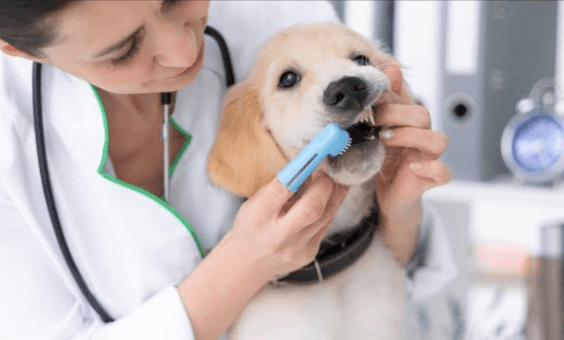
Start brushing before plaque builds. Use a pet safe toothbrush or finger brush and dog toothpaste only. Keep sessions short. A few calm seconds count. The goal is not perfection on day one. The goal is a routine your puppy accepts.
Schedule a dental exam during puppy growth. If your puppy is teething, chewing more than usual, or showing signs of mouth discomfort, ask for a dental check as part of routine veterinary care. A general wellness visit at a small animal hospital can catch issues before they become painful.
Good dental habits started young pay off for years
Your puppy does not need a perfect start. Most owners are figuring this out as they go, usually with a chew toy in one hand and a mystery tooth in the other. What matters is catching problems early, easing discomfort, and building habits that protect those new adult teeth.
From baby teeth to adult teeth is a short window, but it has a lasting effect on your dog’s comfort and health. If your puppy’s mouth looks crowded, sore, or just not quite right, schedule a dental checkup with a small animal hospital and get clear answers before a small problem turns into a bigger one.