Key Takeaways:
- Heat pumps offer a highly efficient alternative to traditional heating and cooling systems, potentially reducing energy bills by up to 60%.
- Various financial incentives, including tax credits and rebates, are available to offset installation costs.
- Proper installation and maintenance are crucial to maximizing the benefits of heat pumps.
Understanding Heat Pumps
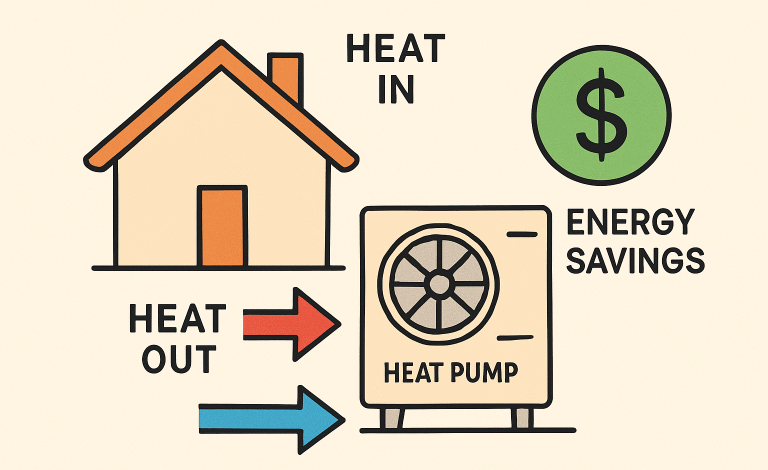
Heat pumps represent a modern, versatile solution for home comfort, offering both heating and cooling from a single unit. Instead of generating heat, heat pumps utilize electricity to transfer heat from one location to another, making them far more efficient than conventional heating systems. Whether you’re dealing with the bitter cold of winter or the sweltering heat of summer, modern heat pumps can handle a range of climates—including Ottawa’s four seasons. If you’re considering an upgrade for your home, reach out to Ottawa heat pump specialists for detailed guidance tailored to your local area.
There are two primary types of heat pumps: air-source and ground-source (also called geothermal) systems. Air-source heat pumps extract heat from the air outside and bring it inside in winter—or reverse the process in summer. Ground-source systems, while more expensive to install, draw heat from the ground and offer even greater efficiencies. Both types offer a dramatic improvement in energy use compared to conventional heating methods.
Energy Efficiency and Cost Savings
Heat pumps utilize efficient technology by transferring heat instead of generating it. This distinction forms the core of their energy savings. For example, homeowners switching from electric resistance heating to an ENERGY STAR-certified heat pump save on average $460 every year. If a home uses oil heating, that figure jumps to about $950 per year in savings thanks to the reduced cost and efficiency of moving heat rather than burning fuel. In fact, heat pumps deliver up to three times more heating energy than the electrical energy they consume. This high efficiency means that homeowners can notice significant reductions in energy consumption and bills after upgrading.
Financial Incentives and Rebates
To further encourage energy-efficient home upgrades, governments and utilities have introduced myriad incentives to reduce the upfront costs of heat pump systems. Under the Inflation Reduction Act, homeowners may be eligible for a federal tax credit worth up to 30% of the installed cost. Furthermore, many states, provinces, and utility providers also offer substantial rebates.
For instance, residents in San Francisco benefit from up to $1,200 in credits when they opt for a high-efficiency heat pump water heater. These incentives make the transition more affordable and improve the payback period for initial investments. It’s worth checking with your local authorities or energy provider to explore current offers in your area.
Environmental Impact
Heat pumps do more than reduce your monthly bills—they also play a vital role in cutting carbon emissions. Because they operate by moving heat without burning fossil fuels, heat pumps can significantly reduce a home’s greenhouse gas emissions. According to the U.S. Department of Energy, if every heat pump sold in the U.S. met ENERGY STAR certification, it could cut 60 billion pounds of greenhouse gases from being released each year. This environmental gain compounds every year as more homes switch to cleaner heating and cooling methods.
Installation Considerations
To fully unlock the cost and environmental benefits outlined above, proper installation is essential. Factors such as your home’s insulation quality, local climate, and the condition or layout of existing ductwork all inform which heat pump system best matches your needs. A certified professional can analyze your specific situation and ensure your system is sized and installed appropriately for maximum efficiency and comfort.
The Importance of Choosing Certified Installers
Only trained, experienced installers can guarantee high efficiency and long-term reliability. They’ll address critical details such as correct refrigerant charge, proper duct sizing, and optimal integration with other home systems, ensuring your investment delivers its promised savings and performance.
Maintenance and Longevity
Routine maintenance is the secret to extending the lifespan of your heat pump and keeping it running at maximum efficiency. This includes cleaning or replacing air filters monthly, clearing debris from outdoor units, and scheduling an annual system check with a professional. Well-cared-for heat pumps often last 15 years or more, providing lasting savings and reducing the frequency of equipment replacement.
Overcoming Common Misconceptions
Despite their many benefits, heat pumps are sometimes met with skepticism from homeowners—particularly regarding their effectiveness in cold climates. Thanks to recent technological advances, many modern heat pump models are now specifically engineered to work efficiently even at subfreezing temperatures, such as those commonly seen in Ottawa and much of Canada. Concerns over higher upfront costs are also mitigated by energy savings, federal and local incentives, and favorable long-term returns, making heat pumps a wise investment for the future.
Final Thoughts
Heat pumps represent a smart, forward-thinking investment for homeowners intent on saving money while reducing their carbon footprint. Supported by robust financial incentives and the technological capability to operate efficiently in diverse climates, heat pumps provide unmatched comfort and energy efficiency. Consult with a certified professional to choose the right heat pump for your needs and start realizing the benefits that will last for decades to come.