Managing waste responsibly is not only an environmental necessity but also a civic duty that benefits both communities and businesses. By implementing deliberate practices and leveraging available resources, households and small businesses can significantly reduce their environmental impact. From composting and recycling to technological solutions, the journey toward a greener planet starts with individual action. For those looking for a seamless approach, a reliable junk removal services can support waste management goals while ensuring responsible disposal.
As global concerns about waste accumulation intensify, the importance of local responsibility grows. Embracing sustainable practices helps preserve natural resources, mitigates pollution, and cultivates a culture of environmental stewardship within neighborhoods and business communities. Simple yet effective changes in daily routines and business operations can build a healthier environment and inspire others to follow suit.
Understanding Waste Segregation
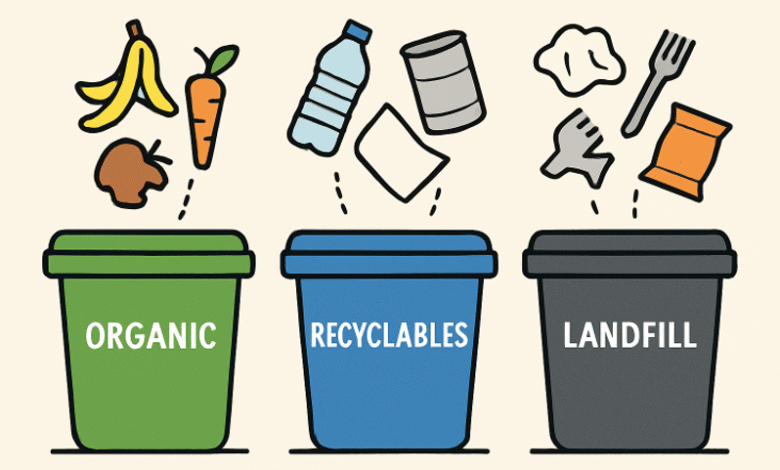
Adequate waste segregation lays the foundation for a sustainable waste disposal system. By separating organic, recyclable, and non-recyclable materials, households and businesses make it easier for waste processing facilities to recover reusable resources and minimize contamination. For example, plastics, glass, metals, and paper should have dedicated bins, while organic waste—from food scraps and garden trimmings—should be set aside for composting. Non-recyclable materials, which often end up in landfills, should be minimized whenever possible.
Clear labeling and education on what can and cannot be recycled prevent the incorrect disposal of items like greasy pizza boxes or coated papers, which can compromise entire batches of recyclables. It’s essential to stay updated on local recycling guidelines, as rules and accepted items may vary between municipalities.
Segregating waste at the source also curtails the growth of landfill sites, which produce dangerous greenhouse gases like methane. Improving recycling processes can significantly reduce landfill waste and pollution, creating a cleaner and safer environment for future generations.
Implementing Composting Practices
Composting transforms organic waste into a valuable resource. Kitchen scraps, coffee grounds, eggshells, and yard trimmings can all be transformed into nutrient-rich compost that supports gardens, lawns, and landscaping projects. This natural recycling process not only diverts a significant portion of waste from landfills but also reduces harmful methane emissions associated with organic decay in anaerobic landfill conditions.
There are several approaches to composting, suitable for different living and working environments. For those with outdoor space, backyard compost bins or piles are practical and easy to manage with the right mix of green (nitrogen-rich) and brown (carbon-rich) materials. Small-scale solutions, such as vermicomposting with worms or using countertop composters, make sustainable waste handling accessible even for those in apartments or urban offices. Nationwide, more communities are introducing curbside organic collection programs, making it even more straightforward to contribute to the movement.
Participating in Community Recycling Programs
Community-driven recycling programs amplify the impact of individual efforts and foster a spirit of collective responsibility. Many neighborhoods and small business districts now offer shared bins, local drop-off centers, or special events for collecting hazardous or difficult-to-recycle materials (like electronics and paint). By participating in or advocating for such initiatives, individuals and companies can benefit from resources and expertise they may not have access to on their own.
Community composting programs are also on the rise, allowing residents and business owners to deposit organic waste at centralized sites. These programs often provide finished compost back to participants or use it for community gardens, reinforcing a closed-loop approach that supports local agriculture. The National Geographic article on recycling highlights numerous successful examples of community recycling and composting systems, noting their role in reducing plastic pollution and boosting neighborhood engagement.
See also: Why Partnering with a Quality Fuel Supplier Can Fuel Your Business Success
Adopting Zero-Waste Programs
Zero-waste initiatives aim to minimize waste by rethinking product design, consumption, and disposal. For households and small businesses, these programs often begin with reducing single-use plastics and packaging. Switching to reusable containers, seeking package-free options, and choosing biodegradable goods all contribute to waste reduction. Hosting or attending zero-waste workshops can introduce practical tips, such as making household cleaners from natural ingredients or upcycling items for new uses.
Some small businesses establish take-back programs or partner with suppliers who emphasize sustainable packaging and refillable products. Others work with local artisans to repurpose waste materials into marketable goods, blending environmental responsibility with entrepreneurship. As zero-waste practices spread, they drive innovation and create new opportunities for community members to support sustainability efforts actively.
Leveraging Technology for Waste Management
Technological advancements are revolutionizing waste management processes, making sustainable practices more efficient and accessible. Smart waste bins equipped with sensors can monitor fill levels, enabling more efficient collection routes and reducing unnecessary vehicle emissions. In larger facilities or communities, AI-powered sorting systems can accurately separate materials, improving recycling rates and reducing the burden of manual labor.
For households and businesses, smartphone apps are now available to assist with tracking recycling schedules, locating nearby collection facilities, and learning about the correct disposal methods for various items. These technologies reduce confusion, streamline operations, and foster greater accountability across the community.
Engaging in Junk Removal Services
When it comes to bulky items or large-scale clean-outs, professional junk removal services ensure responsible and environmentally conscious disposal. These providers sort through the collected materials, salvaging items for recycling or donation before resorting to landfill disposal. Some also partner with local charities or social enterprises, diverting usable goods from disposal and supporting people in need.
Relying on responsible junk removal isn’t just about convenience—it’s about supporting a circular economy and minimizing environmental degradation. This service is especially crucial for small businesses during renovations or relocations, as it ensures that old equipment and furnishings are managed sustainably. Opt for providers that openly report their recycling and donation rates, fostering transparency in the waste disposal process.
Conclusion
Sustainable waste disposal is attainable for every household and small business willing to take action. Through consistent segregation, composting, community involvement, technological adoption, and responsible removal services, everyone can make a measurable difference. These practices help conserve resources, prevent pollution, and create healthier, more resilient communities—proving that sustainability begins at home and thrives through collective action.