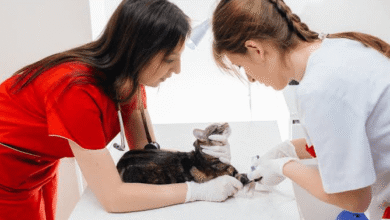
When your pet is hurt or coming out of surgery, daily life changes fast, and working with a trusted vet clinic in Arab, Alabama can make the recovery process feel more manageable. A short walk becomes a careful plan. Stairs turn into a problem. Jumping on the couch, getting into the car, even lying down the wrong way can set recovery back. You are trying to keep your pet comfortable, safe, and moving enough to heal well without doing too much. That balance is hard.
Mobility protection during recovery is not just about rest. Too little movement can lead to stiffness, muscle loss, and slower healing. Too much activity can strain a repair, increase pain, or cause a new injury. That is why veterinary teams build recovery plans that protect joints, muscles, nerves, and surgical sites at the same time. The goal is simple. Help your pet heal without losing function they will need later.
Veterinary hospital recovery plans protect movement from the first day
One of the most effective parts of a veterinary hospital mobility recovery plan starts before your pet even goes home. Teams look at pain control, safe movement, footing, swelling, range of motion, and the risk of overuse. They are not only treating the injury in front of them. They are trying to prevent the second wave of problems that often follows, such as weakness in the opposite leg, guarded walking, or fear of movement after pain.
A dog recovering from a cruciate ligament repair is a good example. If pain is not controlled well, that dog may shift weight to the other hind leg for days or weeks. That can overload the healthy side and create a new problem. A cat recovering from a fracture may move less than expected, then become stiff and reluctant to use the limb at all. These patterns are common, and hospital teams plan for them early.
See also: Improving Your Pet’s Quality of Life Through Daily Routines
1. Pain management keeps pets moving safely
Pain relief is one of the main ways teams protect mobility. A pet in pain does not move normally. They shorten steps, tense muscles, avoid turning, and stop using part of the body that needs gradual, guided use. Good pain control supports healing because it allows more natural movement and lowers stress.
That often includes a mix of medications, cold therapy, rest instructions, and close follow up. The plan may change every few days. Recovery is not static, and pain should not be treated as an afterthought.
2. Controlled activity prevents both strain and stiffness
Strict rest sounds safe, but total inactivity can work against recovery. Veterinary teams usually prescribe controlled activity instead. That might mean short leash walks, supported standing, slow turns, or brief movement on non slip surfaces. The point is to give tissues enough protection to heal while keeping joints and muscles engaged.
This is one reason sports medicine and rehab services matter. Programs like sports medicine and rehabilitation care often combine healing timelines with movement plans tailored to the injury, age, and temperament of the pet.
3. Rehabilitation therapy rebuilds strength in the right order
Strength does not come back all at once. It returns in stages, and if those stages are rushed, pets can compensate in ways that are hard to undo. Veterinary rehabilitation often starts with basic weight bearing and range of motion work, then progresses to balance, endurance, and more normal gait patterns.
This is where mobility support during pet recovery becomes practical. Instead of hoping your pet will naturally return to normal, the team watches how they sit, stand, step, and shift weight. Those details matter. They reveal whether healing is moving forward or whether your pet is protecting an area that still needs help.
4. Environmental changes reduce setbacks at home
Many setbacks happen after discharge, not because owners are careless, but because home is full of movement triggers. Slick floors, steep stairs, furniture jumps, excited greetings at the door, and fast trips outside can undo careful progress.
Veterinary teams often recommend rugs or traction mats, crate or pen rest when needed, ramps, harness support, and limits on rough play. These changes can feel like a lot at first, especially if your pet seems brighter after a few days. That early burst of energy is often when reinjury happens.
5. Monitoring catches small problems before they become big ones
Recovery rarely follows a perfect straight line. Swelling may increase after a walk. A pet may stop using a limb after seeming better. Incisions can look fine one day and irritated the next. Veterinary teams protect mobility by checking progress and adjusting the plan before a minor issue turns into a major delay.
Specialty programs such as canine sports medicine and physical rehabilitation show how structured reassessment supports better long term movement, especially after orthopedic or neurologic injuries.
6. Owner guidance keeps recovery consistent
The best treatment plan still depends on what happens at home. Clear discharge instructions, rehab demonstrations, and realistic activity limits help you avoid the common trap of doing too much too soon. You do not need to guess whether limping is normal, whether stairs are allowed, or when play can restart. A good team gives you those guardrails.
This is one of the quiet strengths of veterinary rehabilitation. It turns recovery into a shared process. You know what to watch for, what to avoid, and when to call.
Home rest and professional recovery support affect mobility differently
| Recovery Approach | Potential Benefit | Common Risk | Mobility Impact |
| Home rest without structured guidance | Lower immediate cost, less travel stress | Too much inactivity or accidental overactivity | Higher risk of stiffness, muscle loss, and poor gait habits |
| Home care with veterinary instructions | Better protection of healing tissues | Progress may stall if signs are missed | Moderate support for safe function when owners can follow the plan closely |
| Hospital led rehab and follow up | Regular reassessment, guided exercise, pain plan updates | More time and expense | Stronger chance of preserving range of motion, strength, and confident movement |
Three steps you can take right away
Watch movement, not just mood. A pet can seem happy and still be moving poorly. Pay attention to weight bearing, slipping, hesitation, pacing, and how your pet gets up after resting.
Set up the home before problems start. Put down rugs, block off stairs if needed, use a leash for bathroom breaks, and remove jumping opportunities. Small changes prevent big setbacks.
Ask for a written recovery plan. Get clear instructions on activity, medications, warning signs, and the timeline for rechecks. If rehab is recommended, ask what goals it is meant to improve, such as strength, balance, or joint motion.
Protecting mobility during recovery gives your pet a better return to daily life
Recovery is rarely just about healing a wound or waiting out soreness. It is about protecting the way your pet walks, stands, climbs, turns, and plays when this is over. That is why these 6 ways veterinary hospital teams protect mobility during recovery matter so much. They reduce pain, prevent compensation, and help your pet return to normal life with less struggle.
If your pet is recovering from surgery, injury, or a neurologic condition, ask your veterinary hospital about a mobility focused recovery plan and rehabilitation support.