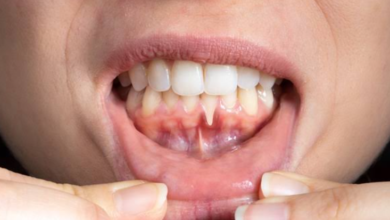
You noticed it while brushing, during dinner, or when your child turned their head just right. One side of the jaw looks puffy, or there is a firm lump near the cheek, chin, or neck. Your child may say it hurts, or they may act completely normal, which can feel even more unsettling. Swelling in a child’s jaw area can come from something simple, like a dental infection or a blocked salivary gland, but it can also point to a problem that needs quick care. That is why how pediatric dentists evaluate jaw swelling in children matters so much, including the team at Children’s Dental FunZone pediatric dentistry in Moreno Valley. They look at where the swelling is, how fast it appeared, whether there is pain or fever, and whether the cause seems dental, facial, or deeper in the neck.
A children’s dentist jaw swelling evaluation is rarely just a quick glance. The goal is to figure out whether the swelling is tied to a tooth, the gums, the bone, the salivary glands, or nearby lymph nodes. In some cases, the child needs dental treatment that day. In others, the pediatric dentist refers to an oral surgeon, pediatrician, or emergency department.
Pediatric dentists look for signs that separate routine swelling from urgent swelling
Jaw swelling can build slowly over days, or it can seem to appear overnight. That timing matters. A swelling linked to a cavity or dental abscess often comes with tooth pain, gum tenderness, bad breath, or trouble chewing. A child may avoid cold drinks, wake at night, or suddenly refuse food on one side. If the swelling is spreading, the skin may look tight, the area may feel warm, and fever can show up fast.
Other swellings are less obvious. Enlarged lymph nodes under the jaw can happen with sore throats, ear infections, or viral illness. Stanford Children’s Health gives a useful overview of neck masses in children, and it helps explain why not every lump near the jaw starts in the teeth. Salivary gland problems can also cause swelling, especially near mealtimes, because saliva flow triggers pain and fullness. Trauma, cysts, and bone lesions are less common, but they stay on the list when the story does not fit a simple infection.
The pediatric dentist starts with questions that may seem basic, but they narrow things down quickly. When did the swelling start. Has it changed in size. Is there fever, drooling, trouble swallowing, or trouble opening the mouth. Did your child have a fall, a recent cold, or a toothache. These details shape the next step.
See also: Improving Your Pet’s Quality of Life Through Daily Routines
The exam for pediatric jaw swelling focuses on the teeth, soft tissues, and facial symmetry
The exam usually begins from across the room. A pediatric dentist checks facial balance, skin color, breathing, speech, and whether your child can open comfortably. Then they feel the area gently to see if it is soft, firm, movable, warm, or tender. Swelling from an abscess may feel different from an enlarged lymph node or a salivary gland issue.
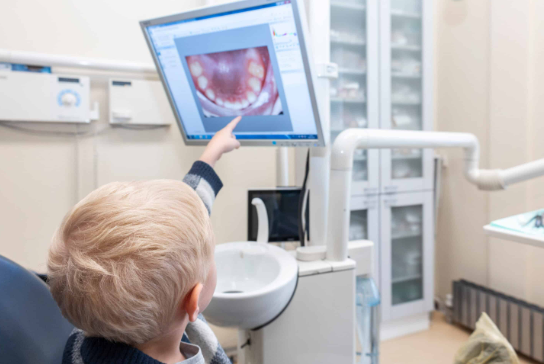
Inside the mouth, they check the teeth for decay, cracks, loose fillings, gum boils, and redness. They look at the floor of the mouth, the cheeks, the tongue, and the opening of the salivary ducts. X rays are often part of the visit because many dental causes sit below the gumline. A badly infected baby tooth can create swelling before the problem is easy to see with the naked eye.
If the swelling appears linked to infection, treatment depends on how far it has spread. The American Academy of Pediatric Dentistry outlines when antibiotics are appropriate in its guidance on the use of antibiotic therapy for pediatric dental patients. Antibiotics alone do not solve every dental infection. If the source tooth stays in place without treatment, the swelling may return.
Some cases need imaging, drainage, or referral beyond the dental office
You may be hoping for a quick prescription and a watch and wait plan. Sometimes that is not safe. If a child has fever, facial swelling that is spreading, trouble swallowing, drooling, a muffled voice, or limited mouth opening, the concern rises. Those signs can point to a deeper infection that needs urgent care.
Pediatric dentists also watch for swelling that does not match a dental pattern. A painless lump that has been present for weeks, swelling after injury, or a bony expansion of the jaw may call for different imaging or a referral to oral surgery. The AAPD’s guidance on oral surgery for pediatric dental patients explains the range of surgical issues that can affect children, from infections to cysts and other lesions.
This is where families often feel stuck. If your child seems mostly okay, it is tempting to wait and see. The risk is that jaw and facial infections can spread quickly in children. A small gum bump in the morning can become obvious facial swelling by evening. On the other hand, rushing to the wrong setting can waste time if the real issue is dental and needs treatment at the source. A pediatric dentist helps sort out that difference.
Home monitoring and professional evaluation are not equal when a child has jaw swelling
| Situation | Home Monitoring | Pediatric Dentist Evaluation |
| Mild swelling with no pain | You may track size and timing, but the cause stays unclear | Can identify whether the source is a tooth, lymph node, salivary gland, or soft tissue |
| Swelling with tooth pain | Pain medicine may reduce discomfort briefly | Exam and X rays can locate decay, abscess, or bone involvement |
| Swelling with fever or facial warmth | Higher risk of missing a spreading infection | Can determine if urgent dental treatment, antibiotics, or emergency referral is needed |
| Swelling that comes and goes with meals | Pattern may be noticed, but not explained | Can check for salivary gland blockage and direct referral if needed |
| Persistent lump for weeks | Delay may extend diagnosis time | Can assess need for imaging or referral to oral surgery or medicine |
What you can do right away when your child has jaw or facial swelling
1. Check for red flag symptoms. Look for fever, trouble swallowing, drooling, trouble breathing, rapid spread of swelling, severe pain, or difficulty opening the mouth. Those signs need urgent care.
2. Write down the timeline. Note when the swelling started, whether it changes with meals, whether there is tooth pain, and whether your child had a recent illness or injury. These details help with a pediatric dentist swelling assessment and can shorten the path to the right treatment.
3. Avoid treating it like a simple bump. Do not press on the area, and do not place aspirin on the gums or tooth. Use age appropriate pain relief only as directed, offer soft foods, and arrange an exam with a pediatric dentist as soon as possible.
Jaw swelling in children can be caused by a cavity, an abscess, a swollen lymph node, a salivary gland problem, or something less common. The hard part is that these problems can look similar at first. Getting the right eyes on it early often means less pain, less stress, and faster treatment for your child.