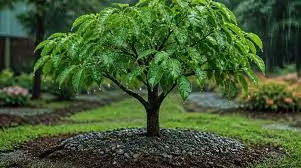
Maintaining healthy trees in Chesapeake, Virginia, requires a thorough understanding of the region’s unique climate and environmental challenges. By adhering to seasonal care practices, homeowners can ensure their trees thrive year-round. For professional assistance, consider consulting a reputable tree service in Chesapeake, VA. 757 Tree Solutions, founded by veterans Andrew Farnham and Cole Honaker, offers expert tree care services throughout the Hampton Roads area, including Chesapeake, Suffolk, and Virginia Beach. Their team of ISA Certified Arborists provides comprehensive solutions, from precise trimming and pruning to large-scale removals, prioritizing safety and professionalism.
Spring: Preparing for Growth
Plant Native Species
Incorporating native trees and shrubs into your landscape enhances rainwater absorption and reduces soil erosion (United States Environmental Protection Agency). Native species are well-adapted to the Chesapeake’s climate, promoting healthier growth and sustainability.
Soil Testing
Assessing soil acidity is crucial in spring. If necessary, apply lime to adjust pH levels. It’s advisable to delay fertilization until fall to prevent nutrient runoff, which can harm local waterways.
Mulching
Applying a 2-4 inch layer of mulch around tree bases helps retain moisture and suppress weeds. Ensure the mulch is kept away from the trunk to prevent rot and pest infestations.
Tree Support and Staking
If you have newly planted trees, it is important to monitor their stability during early spring storms and windy periods. Stake your trees as needed, but remember to remove stakes after the first year to encourage independent trunk development.
Early Spring Cleanup
Winter snow and wind can leave broken branches and debris around your yard. Take this opportunity to remove any damaged limbs, as open wounds early in the season heal more efficiently, reducing the risk of disease.
Summer: Managing Heat and Pests
Watering
During droughts, provide deep watering to young trees to encourage deep root growth. This practice helps trees withstand heat stress and promotes long-term health.
Pest Monitoring
Regularly inspect trees for signs of insect damage or disease. Early detection allows for prompt intervention, reducing the risk of widespread infestations.
Light Pruning
Perform minimal pruning to improve air circulation within the canopy. Be cautious to avoid over-pruning during active pest seasons, as this can make trees more susceptible to infestations.
Mulch Refreshing
During hot weather, check mulch around trees and renew it as needed. Mulch helps conserve soil moisture, which is particularly crucial during prolonged summer heat in Chesapeake.
Heat Stress Signs
Look for symptoms such as wilting, leaf scorch, or premature dropping of leaves. Acting quickly with proper watering and temporary shade, if possible, can help minimize stress damage.
Monitor for Fungal Issues
Frequent rain or overhead watering can create conditions ideal for fungal growth, such as powdery mildew or leaf spots. Prune affected areas and ensure good airflow to limit fungal outbreaks.
Fall: Preparing for Dormancy
Fertilization
Based on soil test results, apply appropriate fertilizers to support root development during dormancy. Fall fertilization provides essential nutrients for spring growth.
Leaf Management
Regularly remove fallen leaves to prevent disease and pest infestations. Composting leaves can also enrich soil quality.
Planting
Fall is an ideal time to plant new trees, allowing roots to establish before winter. Choose species suited to Chesapeake’s climate for optimal growth.
Root Zone Care
Consider aerating compacted soil in the root zones of your trees, especially in high-traffic areas. Core aeration in the fall improves oxygen, water, and nutrient flow to roots.
Pest Protection
As temperatures begin to drop, some pests seek shelter at the bases of trees or beneath leaf litter. Clearing debris and applying trunk wraps can deter rodents and borers.
Watering Before Frost
Hydrate your trees well before the first hard frost. Trees entering dormancy with adequate moisture are less likely to suffer winter injury.
Winter: Protecting Against the Elements
Pruning
Prune deciduous trees during dormancy to remove dead or diseased branches and shape the tree. Winter pruning minimizes stress and promotes vigorous spring growth.
Protection
Shield young or vulnerable trees from frost and ice damage using burlap wraps or tree guards. This protection helps prevent winter injury and bark splitting.
Inspection
Assess trees for structural issues that could pose risks during storms. Addressing these concerns proactively can prevent property damage and ensure safety.
Snow and Ice Removal
After snow or ice storms, gently brush off accumulated loads from branches using a broom, starting from the top down. Avoid shaking branches, as this may cause breakage.
Animal Damage Prevention
Deer and rodents often feed on bark and twigs when food is scarce. Install physical barriers or repellents to protect young or susceptible trees through the winter.
Windbreaks
Consider planting evergreen shrubs or installing temporary windbreaks to protect young trees from cold, desiccating winds typical of Chesapeake winters.
General Maintenance Tips
Regular Inspections
Periodically check trees for signs of stress, disease, or pest infestations. Early detection allows for timely interventions and reduces long-term damage.
Professional Assistance
Consult certified arborists for complex issues or when unsure about tree health. Professional evaluations provide expert insights and tailored care plans.
Storm Preparedness
Ensure trees are well-maintained to withstand severe weather conditions common in Chesapeake. Proper pruning and care reduce the risk of storm-related damage.
Tree Inventory
Create a record of all trees on your property, including species, planting date, and any health concerns or treatments. Regularly updating this inventory helps you track growth and spot changes over time.
Tool Maintenance
Keeping pruning tools sharp and clean is key to making precise cuts and minimizing tissue damage or disease transmission. Sanitize equipment between uses, especially if you’ve worked on diseased trees.
Soil Health Monitoring
Perform annual soil tests and watch for signs of compaction or poor drainage. Addressing soil problems early ensures healthier root development and increases tree vitality.
Protecting Property Value
Healthy, well-maintained trees add curb appeal and can significantly increase property value. Invest in ongoing tree care to enhance both aesthetics and functional landscape benefits.
By following these seasonal guidelines, homeowners in Chesapeake can promote the health and longevity of their trees, enhancing the beauty and value of their properties.