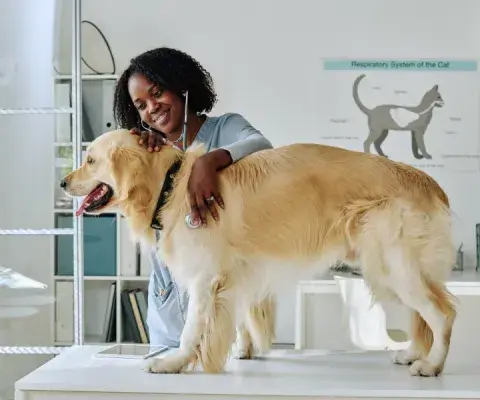
You know your pet better than anyone, which is why the little things tend to stick in your mind. A slower walk to the door. A food bowl that stays half full. A jump onto the couch that suddenly looks awkward. On their own, these changes can seem easy to explain away. Pets get older. The weather changes. Routines shift. Still, those small differences often tell your veterinarian more than you might expect, especially when it comes to Toronto veterinary care.
That is the value of tracking subtle changes in pets between vet visits. A general veterinarian is not only looking for obvious illness. They are comparing today’s weight, muscle tone, appetite, mobility, coat condition, and behavior to what they saw last time. Those patterns can point to pain, early disease, nutrition issues, or a problem that is still small enough to manage before it grows into something harder and more costly.
Small Changes Give Your Veterinarian a Bigger Clinical Picture
Most health problems do not begin with a crisis. They begin quietly. A pet gains one pound. Then another. A dog starts hesitating on stairs. A cat drinks a little more water than usual. None of this looks dramatic in the moment, but your veterinarian sees these details as part of a timeline, and that timeline matters.
Weight is one of the clearest examples. A gradual increase can raise the risk of joint strain, reduced stamina, and other health concerns. Cornell’s Riney Canine Health Center explains how obesity and weight gain in dogs can affect overall health and quality of life. The University of Illinois also addresses common questions about pet obesity, including why extra weight can be harder on pets than many owners realize.
Mobility changes matter just as much. If your dog used to leap into the car and now pauses, your veterinarian may think about pain, weakness, injury, or early arthritis. Cornell’s guidance on what to expect when taking a limping dog to the veterinarian shows how even mild limping can lead to a deeper evaluation of joints, muscles, and movement.
Nutrition is another area where trends tell the story. A pet that eats the same amount but loses weight may be dealing with an underlying medical issue. A pet that gains weight despite “just a few treats” may need a closer look at calorie intake, body condition, and feeding habits. The WSAVA Global Nutrition Guidelines support routine nutrition assessment as part of every veterinary visit because diet changes, body condition, and muscle loss are often early clues.
Patterns Between Vet Appointments Often Catch Problems Earlier
When people think of a checkup, they often picture vaccines, a quick exam, and maybe a refill on medication. Your veterinarian is doing more than that. They are comparing notes across time. Has your pet’s body condition score changed. Is the heart rate different from baseline. Has dental disease progressed. Is there less muscle over the hips than there was six months ago.
That is why what vets notice between appointments can matter as much as what they find on the exam table. A single visit is a snapshot. Several visits create a trend. Trends are where early detection lives.
This also helps with cost. Catching a problem early often means simpler treatment, fewer emergencies, and more options. Waiting until the issue is obvious can mean your pet is already in pain or the condition has become harder to manage. No owner likes hearing that something “has probably been going on for a while,” especially when the signs were easy to miss.
Home Observations and Veterinary Tracking Work Best Together
You do not need to monitor your pet like a medical chart, but a few consistent notes can help your veterinarian connect the dots faster. That is especially true for pets who hide discomfort well, which many cats and dogs do.
| Change | What You Might Notice at Home | What Your Veterinarian May Learn |
| Weight | Collar fits tighter, less waistline, lower stamina | Early obesity, calorie imbalance, fluid retention, or muscle loss |
| Appetite | Leaves food behind, begs more, eats slower | Dental pain, nausea, metabolic changes, diet mismatch |
| Mobility | Hesitates on stairs, slips, avoids jumping | Arthritis, soft tissue injury, spinal pain, weakness |
| Behavior | Sleeps more, hides, seems irritable | Pain, stress, illness, cognitive change |
| Drinking and urination | Water bowl empties faster, more accidents | Kidney disease, diabetes, urinary issues |
This is where veterinary health monitoring becomes practical, not overwhelming. You are not expected to diagnose the problem. You are simply noticing what has changed.
See also: 6 Ways Veterinary Hospital Teams Protect Mobility During Recovery
Three Steps You Can Take Before the Next Veterinary Visit
Keep a short running note on your phone. Write down changes in appetite, energy, weight, limping, bathroom habits, and behavior. Dates help. “Started slowing down on walks two weeks ago” is far more useful than trying to remember in the exam room.
Take monthly photos and check body shape. A top view and side view can reveal weight gain or muscle loss that is easy to miss day to day. If your pet is on a special diet or weight plan, this gives your veterinarian something concrete to compare.
Report small changes even if they seem minor. Mention the odd cough, the skipped jump, the new stiffness after naps, or the extra thirst. Owners often hold back because they do not want to sound alarmist. In a veterinary visit, those details are often the most useful part of the conversation.
Consistent Veterinary Visits Protect Your Pet Over Time
Small changes are easy to dismiss because they arrive slowly. That does not make them harmless. It means they need context, and your veterinarian builds that context over time. Each visit adds another layer to your pet’s health history, making it easier to spot what is normal, what is new, and what deserves attention.
If your pet seems a little different lately, trust that instinct and bring it up at the next appointment. A general veterinarian can learn a great deal from those small shifts, and that information can lead to earlier care, less discomfort, and better long term health for your pet.