Why WPC Composite Decking Is the Smartest Upgrade for Your Outdoor Space in 2026

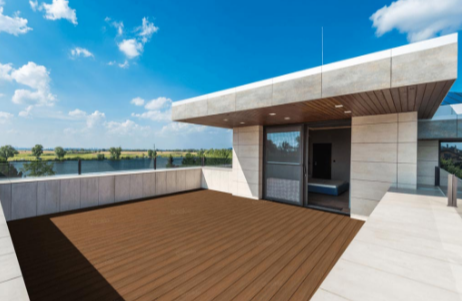
Outdoor living spaces have become a genuine priority for homeowners. A well-designed deck adds usable square footage, improves curb appeal, and creates the kind of connection between indoor and outdoor spaces that modern home design demands. But the material you choose for that deck determines everything from its visual impact to how much time and money you spend maintaining it over the years.
Wood has been the traditional choice for decades. It looks beautiful when new, but it demands consistent maintenance, struggles against moisture, and contributes to deforestation when sourced irresponsibly. In 2026, more homeowners and contractors are making a smarter, more sustainable choice: WPC composite decking.
What Is WPC Composite Decking?
WPC stands for Wood Plastic Composite. It is an engineered material that combines wood fiber with thermoplastic polymers to create a decking board that performs better than natural timber in almost every measurable way. The manufacturing process binds these materials under heat and pressure, producing a dense, stable board that resists moisture, fading, insects, and heavy foot traffic.
The result is a surface that looks and feels like natural wood but requires a fraction of the upkeep. No staining. No sealing. No annual sanding or repainting. A simple wash with soap and water is enough to keep a WPC composite deck looking clean and fresh year after year.
The Environmental Case for Composite Decking
Choosing composite decking is not just a practical decision. It is an environmental one. Traditional timber decking, particularly hardwood varieties, contributes to deforestation and habitat loss when sourced without proper forestry certification. Even certified timber requires chemical treatments to resist moisture and insects, introducing additional environmental considerations.
WPC composite decking addresses these concerns directly. Many composite boards are manufactured using recycled wood fibers and reclaimed plastic waste, diverting both materials from landfills. The production process generates less waste than traditional lumber milling, and the finished product lasts significantly longer than wood, meaning fewer replacements and less material consumption over the lifetime of the deck.
For homeowners who want their renovation choices to reflect their environmental values, composite decking offers a clear path to doing both without compromise.
Home Decor Benefits That Go Beyond Durability
Durability explains why composite decking is practical. Aesthetics explain why it has become genuinely desirable for home improvement and outdoor design projects.
Modern WPC composite boards are available in a wide range of tones, textures, and finishes. Whether your home leans toward a warm natural timber aesthetic, a contemporary grey palette, or a sleek dark finish that frames garden landscaping cleanly, there is a composite option that fits. The embossed wood grain textures available on premium composite boards are designed to replicate the look of real timber without the inconsistencies and weathering that come with natural wood over time.
Composite decking also maintains its color stability significantly better than timber. Wood fades, greys, and stains with exposure to sunlight and rain. WPC composite boards hold their finish consistently across seasons, meaning your deck looks intentional and well-maintained with minimal effort.
What to Look for in a WPC Decking Manufacturer
Not all composite decking is equal. The quality of the raw materials, the manufacturing precision, and the surface finishing all determine how a deck performs over time. Sourcing from an established, experienced manufacturer matters more than most homeowners realize at the point of purchase.
A reliable wpc decking manufacturer should offer boards with proven moisture resistance, UV stabilization, and anti-slip surface treatments suitable for outdoor residential use. Load-bearing performance, thermal expansion tolerance, and color consistency across production batches are all indicators of manufacturing quality that directly affect your finished deck.
Krecocomposites is a manufacturer focused on delivering WPC composite decking products built to meet the demands of both residential and commercial outdoor applications. Their product range covers the core requirements of modern deck construction, from structural performance to surface aesthetics, giving homeowners and contractors access to reliable composite solutions backed by manufacturing expertise.
Installation and Long-Term Value
One of the practical advantages composite decking holds over timber is installation consistency. WPC boards are dimensionally stable, meaning they arrive uniform and do not warp during storage or installation the way green timber can. Many systems use hidden fastener clips that produce a clean surface finish without exposed screws or nails.
Over a ten to twenty year period, the cost advantage of composite over timber becomes clear. The upfront investment is offset by the near-elimination of maintenance costs, refinishing expenses, and early replacement cycles that timber decks regularly demand.
Final Thoughts
Upgrading your outdoor space with WPC composite decking is one of the most practical and visually rewarding home improvements available in 2026. It delivers the aesthetic warmth of natural timber without the environmental drawbacks or the ongoing maintenance burden. For homeowners who want a deck that looks good, lasts long, and aligns with responsible material choices, composite is the clear answer.