Choosing the Right Automatic Toilet Paper Dispenser for a Commercial Bathroom

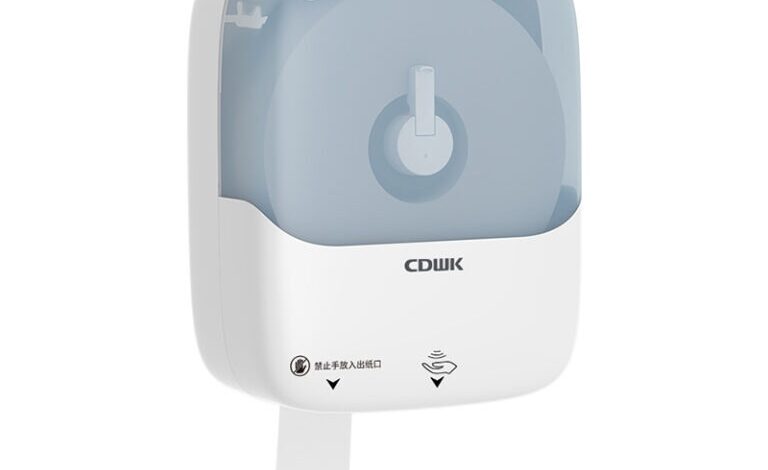
Commercial washrooms need to balance hygiene, convenience, maintenance, and operating costs. One of the simplest ways to improve the user experience is to provide toilet paper through a reliable dispensing system.
Traditional toilet paper holders can work well in low-traffic environments, but busy commercial facilities may benefit from controlled dispensing systems. A toilet paper automatic dispenser can help reduce unnecessary contact while managing paper distribution in a more consistent way.
Why Toilet Paper Dispensing Matters
Toilet paper is a basic necessity, but the dispensing system can influence the overall operation of a washroom.
A poorly designed holder may allow excessive paper to be pulled, become damaged easily, or require frequent maintenance. In busy facilities, these small problems can happen repeatedly.
An automatic or controlled dispenser can help standardize the amount of paper provided and may reduce unnecessary waste.
Touchless Operation
One advantage of automatic dispensing technology is reduced physical contact.
Users do not necessarily need to touch a handle or roll directly. Depending on the design, a sensor can detect the user’s hand and activate the dispensing mechanism.
Reducing shared touchpoints can contribute to a more hygienic user experience, particularly in high-traffic environments.
Controlled Consumption
Paper consumption can become a significant expense for large facilities.
If users pull excessive amounts from an unrestricted roll, paper waste can increase. Controlled dispensing systems can provide a predetermined quantity or regulate how much paper is released.
The objective should be controlled consumption without compromising user comfort.
If the dispenser provides too little paper, users may repeatedly activate the system, potentially increasing consumption.
Suitable Locations
Automatic toilet paper dispensing systems can be considered for many commercial environments, including:
- Hotels
- Restaurants
- Airports
- Offices
- Schools
- Shopping centers
- Healthcare facilities
- Public buildings
- Entertainment venues
The higher the traffic, the more important reliability and easy maintenance become.
Sensor Reliability
The sensor is one of the most important components of an automatic dispenser.
A good sensor should detect a user’s hand consistently and dispense paper without unnecessary delays.
If activation requires repeated attempts, users may become frustrated. False activations can also waste paper.
Facility managers should therefore assess sensor accuracy and response time before installing large numbers of units.
Power and Battery Management
Electronic dispensers require a power source.
Battery-operated units can be convenient where electrical wiring is difficult to install. They also make installation possible without significant modifications to the building.
However, batteries need to be monitored and replaced.
For large facilities, maintenance teams should keep replacement batteries available and establish routine inspection procedures.
Paper Compatibility
Different automatic dispensers may require different paper formats or roll sizes.
Before purchasing, buyers should confirm exactly which consumables are compatible with the system.
Using unsuitable paper can result in jams, poor dispensing, or inconsistent operation.
Facilities that already have established paper suppliers should consider compatibility before choosing new equipment.
Maintenance and Cleaning
Commercial bathroom equipment needs regular attention.
Even a touchless dispenser can collect dust, moisture, and other residue. Sensors and dispensing openings should therefore be included in routine cleaning schedules.
Internal mechanisms may also require occasional servicing.
The dispenser should be designed so that cleaning and refill operations can be completed quickly.
Accessibility
Accessibility is an important part of commercial bathroom planning.
Dispensers should be installed at appropriate heights and positions so that users with different mobility requirements can operate them comfortably.
The exact requirements depend on local regulations and the type of facility.
Accessibility should be considered during the design stage rather than attempting to modify equipment placement after installation.
Design and Appearance
Commercial bathroom equipment is highly visible.
A modern dispenser with a clean design can complement the rest of the washroom. Conversely, damaged or outdated equipment can make an otherwise well-maintained facility appear neglected.
Hotels and premium commercial properties may place additional emphasis on finish and appearance, while industrial environments may prioritize durability.
The product should match the environment in which it will be installed.
Installation Planning
Before installation, managers should consider wall structure, electrical requirements, user flow, and proximity to other fixtures.
The dispenser should be positioned so users can access it easily without blocking other people.
Proper installation also reduces the likelihood of damage or accidental impact.
For electronic systems, installation should follow the manufacturer’s requirements regarding power, moisture protection, and operating environment.
Compare Long-Term Costs
The purchase price should not be the only factor used to compare products.
A facility should consider paper consumption, battery requirements, repairs, replacement parts, installation, and expected service life.
A more expensive dispenser may offer better value if it significantly reduces waste and maintenance.
For high-traffic locations, reliability can be particularly valuable because equipment failures can quickly become noticeable to users and staff.
Automatic Versus Traditional Holders
Traditional holders are simple and inexpensive. They also do not require batteries or electronic components.
Automatic systems, on the other hand, can offer touchless operation and controlled dispensing.
The right choice depends on the facility’s priorities.
A small office may prefer simplicity, while a high-traffic public facility may value controlled consumption and reduced touchpoints more highly.
Conclusion
A toilet paper automatic dispenser can be a useful addition to modern commercial bathrooms, particularly in facilities where hygiene, controlled consumption, and user convenience are important.
Before choosing a system, facility managers should evaluate sensor performance, power requirements, paper compatibility, maintenance, accessibility, installation, appearance, and total operating costs.
The most successful dispensing system is one that works reliably without requiring constant attention. By choosing equipment appropriate for the environment and establishing a simple maintenance routine, businesses can provide a cleaner, more convenient, and more efficiently managed bathroom experience.