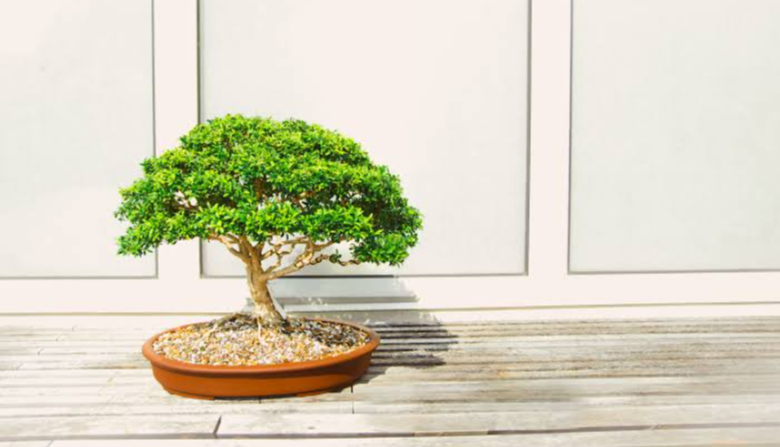
Bonsai trees occupy a unique position in the gardening market. They combine the appeal of ornamental plants with the craftsmanship of long-term cultivation, making them attractive to beginners, experienced gardeners, collectors, and people looking for distinctive decorative plants.
For garden centers and plant retailers, bonsai can become an interesting addition to an existing product range. However, building a successful bonsai section requires more than simply purchasing plants and placing them on display. Retailers need to understand customer demand, plant care, inventory management, presentation, and sourcing.
For businesses planning to purchase bonsai wholesale, establishing a clear product strategy can make the difference between a healthy, attractive inventory and plants that struggle to sell.
Understand Your Customers
The first step is identifying who is likely to purchase bonsai trees.
Some customers are completely new to bonsai and want a relatively easy plant that can introduce them to the hobby. Others may already have experience and be interested in particular species, shapes, sizes, or stages of development.
A garden center should consider these differences when building its inventory.
Beginner customers may respond well to affordable, hardy specimens accompanied by simple care instructions. More experienced customers may look for unusual varieties or trees with more developed trunks and branching structures.
A mixed product range can help a retailer serve several customer groups.
Select Appropriate Species
Species selection should be based on both availability and the conditions customers can provide.
Some bonsai varieties are more tolerant of common beginner mistakes, while others require more specialized care. Indoor and outdoor growing requirements also differ significantly.
Retailers should therefore avoid presenting every bonsai as a plant suitable for the same environment.
Clear labeling can help customers understand whether a particular tree requires outdoor exposure, seasonal temperature changes, bright light, or other specific conditions.
Quality Should Come Before Quantity
A large inventory is not necessarily a successful inventory.
Retailers should prioritize healthy trees with good root systems, suitable containers, and attractive development. Damaged foliage, weak growth, pests, or poorly maintained plants can make customers hesitant to purchase.
When buying wholesale, businesses should establish clear quality expectations before placing an order.
It can be useful to define acceptable plant sizes, pot dimensions, species, grading, trunk characteristics, and general health requirements.
Create an Attractive Display
Presentation has a major influence on plant sales.
Bonsai trees are visual products. Customers often make purchasing decisions after seeing the shape, trunk, foliage, pot, and overall appearance of a tree.
A bonsai display should therefore be clean, organized, and easy to browse.
Different sizes can be arranged at different heights, while care information can be displayed nearby.
Grouping plants by species or care requirements can also help customers understand the selection.
Provide Simple Care Information
One of the biggest barriers for beginners is uncertainty about how to care for bonsai.
Retailers can make the buying process easier by providing basic information about watering, light, temperature, pruning, fertilization, and repotting.
The information does not need to be complicated. A short care card can give customers enough guidance to get started.
This can also reduce avoidable plant losses after purchase.
Consider the Pot as Part of the Product
A bonsai’s container affects its appearance and perceived value.
A well-matched pot can complement the tree’s shape and create a more finished presentation. Retailers should therefore consider pot quality when evaluating wholesale products.
Different customers may have different preferences. Some may want traditional ceramic containers, while beginners may prioritize affordable and practical options.
Offering a selection can increase the appeal of the entire bonsai section.
Plan Inventory Around the Seasons
Bonsai demand can change throughout the year.
Garden centers may experience increased interest during spring and early summer, while gift purchasing can influence demand around holidays and special occasions.
Inventory planning should account for these seasonal patterns.
Ordering too many trees shortly before a slower sales period can create unnecessary care and storage requirements.
Retailers should monitor historical sales and adjust purchasing accordingly.
Transportation and Receiving
Because bonsai are living plants, transportation deserves special attention.
Trees can be damaged by excessive movement, unsuitable temperatures, dehydration, or poor packaging.
When receiving a wholesale shipment, staff should inspect plants promptly. Damaged containers, broken branches, dry soil, pests, or other problems should be identified before the plants are placed into general inventory.
A receiving checklist can make this process more consistent.
Staff Training
Employees do not need to become bonsai experts to sell bonsai effectively, but they should understand basic care requirements.
Staff should be able to answer common questions about watering, sunlight, indoor versus outdoor placement, and general maintenance.
They should also know when a customer needs more specialized advice.
Good product knowledge can increase customer confidence and improve the shopping experience.
Build a Reliable Supply Chain
Consistent sourcing is important for retailers.
A supplier that can provide reliable quality, predictable availability, suitable packaging, and clear communication can make inventory planning significantly easier.
When evaluating a supplier for bonsai wholesale, businesses should consider more than price. They should examine plant quality, species availability, shipping procedures, replacement policies, and communication.
A long-term supplier relationship can become particularly valuable as the retailer’s bonsai program grows.
Track Which Products Sell
Retailers should monitor sales by species, size, price range, and season.
This information can reveal which products attract customers and which remain in inventory for too long.
For example, a garden center may discover that smaller beginner trees sell quickly while highly developed specimens have slower turnover.
Future orders can then be adjusted based on actual demand.
Expand Beyond the Tree
A bonsai customer may need more than a plant.
Retailers can consider offering complementary products such as bonsai pots, pruning tools, wire, soil, fertilizers, humidity accessories, and care guides.
This creates opportunities to increase the value of each customer transaction while helping beginners find everything they need in one place.
Conclusion
Building a successful bonsai product line requires careful sourcing, attractive presentation, staff knowledge, and ongoing inventory management.
Garden centers should begin by understanding their customers and selecting species that match local growing conditions and market demand. Healthy plants, appropriate containers, clear care information, and reliable transportation are equally important.
For businesses purchasing bonsai wholesale, a strong supplier relationship can provide consistency and make future inventory planning easier.
Bonsai can be more than another plant category on a garden-center shelf. With thoughtful product selection and good customer education, it can become a distinctive part of the business that attracts new gardeners while giving experienced enthusiasts something interesting to explore.