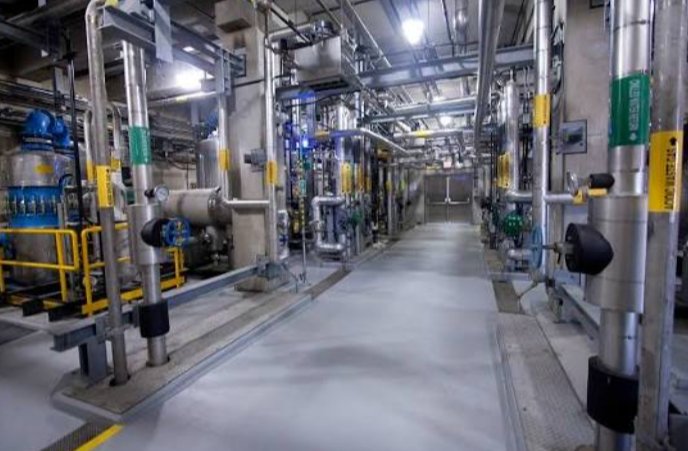
Flooring plays an important role in the safety, appearance, and long-term performance of commercial and industrial buildings. Unlike residential floors, commercial surfaces often experience heavy foot traffic, equipment movement, chemical exposure, moisture, and frequent cleaning. Choosing the right coating can therefore make a significant difference in how a floor performs over time.
For businesses comparing floor coating manufacturers, the decision should go beyond selecting a product based solely on price. The right coating needs to match the environment, expected traffic, maintenance requirements, and performance objectives of the facility.
Understand the Purpose of the Floor
The first step is to identify how the floor will be used.
A warehouse floor may need to withstand forklifts, pallet movement, and heavy loads. A commercial showroom may prioritize appearance and easy maintenance. A manufacturing facility may require resistance to oils, chemicals, abrasion, or temperature changes.
Because these environments have different requirements, there is no single coating that is ideal for every application.
Consider Traffic Levels
Traffic is one of the most important factors when selecting a floor coating.
Areas with constant pedestrian traffic require a durable surface that can maintain its appearance under repeated use. Industrial environments can be even more demanding because floors may experience vehicles, machinery, and concentrated loads.
Before choosing a coating, businesses should estimate the type and frequency of traffic the floor will experience.
Chemical Resistance
Some facilities regularly handle chemicals, oils, cleaning agents, or other substances that can affect flooring.
A coating that performs well in an ordinary office may not be suitable for a manufacturing environment where chemical spills are possible.
Businesses should identify the substances that may come into contact with the floor and discuss compatibility with the coating supplier.
Moisture Considerations
Moisture can create challenges during both installation and long-term use.
Bathrooms, food-processing areas, garages, workshops, and industrial facilities may experience regular water exposure.
The condition of the underlying concrete is also important. Excess moisture within a concrete slab can affect coating adhesion and performance.
Professional assessment before installation can help identify potential problems.
Surface Preparation
Even a high-quality coating can fail if the surface beneath it is not properly prepared.
Concrete may need to be cleaned, repaired, mechanically prepared, and checked for contaminants before the coating is applied.
Dust, grease, loose material, cracks, and other surface problems can interfere with adhesion.
This is why installation quality is just as important as product selection.
Durability and Abrasion Resistance
Floors in busy facilities can experience constant wear.
Foot traffic, carts, vehicles, and equipment can gradually damage an unsuitable surface.
A durable coating can help protect the underlying floor and maintain a cleaner appearance.
Businesses should ask about abrasion resistance and expected performance under their specific operating conditions.
Safety and Slip Resistance
Floor appearance is important, but safety should come first.
Smooth surfaces can become slippery when wet or contaminated with oils and other substances.
Depending on the application, businesses may need a coating system with an appropriate texture or slip-resistant finish.
The correct solution depends on the facility’s environment and applicable safety requirements.
Ease of Cleaning
Commercial floors are often cleaned frequently.
A surface that is difficult to maintain can increase labor costs and make hygiene management more complicated.
Many businesses therefore look for smooth, durable surfaces that can be cleaned efficiently.
Cleaning requirements should be considered before selecting the coating.
Appearance Matters Too
Industrial floors do not necessarily need to look plain.
Modern coating systems can provide different colors, finishes, and visual effects.
In commercial spaces, attractive flooring can contribute to the overall appearance of the facility.
Color can also be used for practical purposes, such as identifying walkways, work zones, storage areas, or safety boundaries.
Temperature Conditions
Some industrial facilities operate under unusual temperature conditions.
Cold storage areas, manufacturing plants, workshops, and outdoor spaces may expose coatings to temperature fluctuations.
The coating system should be selected according to the actual environment rather than assuming that a standard product will perform everywhere.
Repair and Maintenance
Businesses should also consider what happens if the floor becomes damaged.
Some coating systems can be repaired or recoated more easily than others.
A maintenance plan can help extend the service life of the floor.
Regular cleaning, prompt attention to damage, and appropriate use of the surface can all contribute to long-term performance.
Compare Suppliers Carefully
When evaluating floor coating manufacturers, businesses should look at technical support, product consistency, application guidance, and experience with similar projects.
A supplier that understands the intended application can often provide more useful recommendations than one focused only on selling a standard product.
Businesses should ask for technical specifications and confirm that the proposed system is appropriate for their facility.
Installation Is Part of the Investment
The total project cost includes more than the coating itself.
Surface preparation, repairs, labor, equipment, curing time, and possible downtime should all be considered.
A cheaper product can become more expensive if it requires frequent repairs or causes operational interruptions.
A higher-quality system may provide better long-term value when evaluated over its expected service life.
Plan Around Business Operations
Floor coating installation can require an area to be unavailable for a period of time.
Commercial and industrial facilities should plan the project around normal operations.
Businesses may choose to work in sections or schedule installation during weekends, holidays, or planned shutdowns.
Understanding curing and return-to-service requirements can help prevent unnecessary disruption.
Conclusion
Choosing a floor coating requires a clear understanding of the environment in which the floor will operate.
Traffic, chemical exposure, moisture, temperature, safety, cleaning, appearance, durability, and maintenance all need to be considered.
When comparing floor coating manufacturers, businesses should evaluate technical expertise and long-term product performance rather than focusing only on initial price.
With proper surface preparation, appropriate product selection, and professional installation, a well-designed floor coating system can protect the underlying floor, improve appearance, simplify maintenance, and provide reliable performance for years.