Water flow is something most homeowners rarely think about until everyday tasks suddenly become frustrating. A shower that takes longer to rinse, taps that run slower than usual, or appliances struggling to fill properly can all signal that something inside the plumbing system is no longer working as it should. While occasional fluctuations may seem harmless, ongoing water flow problems often point to deeper issues hidden behind walls or beneath floors.
Many homeowners first begin investigating issues like low water pressure after noticing weaker showers, slower taps, or inconsistent water flow throughout the house. In many cases, these early signs appear long before serious plumbing damage becomes visible. Identifying the cause early can help prevent larger repairs, reduce water waste, and protect the overall efficiency of the home’s plumbing system.
Common Signs of Weak Water Flow Around the Home
Reduced water flow does not always affect every fixture equally. Sometimes the issue appears in a single bathroom, while in other cases the entire property experiences weaker pressure. Paying attention to these changes can help homeowners determine whether the issue is minor or part of a larger plumbing problem.
Some of the most common warning signs include:
- Showers losing pressure during use
- Kitchen taps filling sinks more slowly
- Washing machines taking longer to complete cycles
- Multiple fixtures struggling when used simultaneously
- Inconsistent hot and cold water flow
These symptoms may develop gradually, making them easy to ignore at first. However, persistent changes often indicate restrictions, leaks, or ageing plumbing components that require attention.
What Causes Water Pressure Problems?
Weak water flow can result from several different plumbing issues. Some are relatively minor and easy to fix, while others may indicate serious system deterioration.
Pipe Corrosion and Mineral Build-Up
Older homes often contain metal pipes that gradually corrode over time. As corrosion builds inside the pipes, the available space for water movement becomes narrower. This restriction reduces water flow and places additional strain on the plumbing system.
Homes located in areas with hard water may also experience mineral deposits inside pipes and fixtures. Calcium and magnesium build-up slowly reduce pipe capacity and can eventually affect taps, showerheads, and appliances.
Hidden Plumbing Leaks
Leaks are one of the most common causes of reduced water pressure. Even small leaks allow water to escape before it reaches fixtures properly. In some cases, homeowners may not notice visible water damage until the leak has already caused significant structural problems.
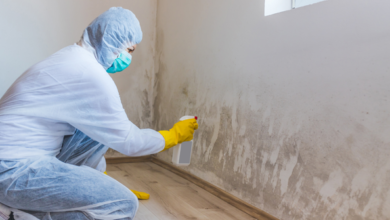
Hidden leaks can occur behind walls, beneath flooring, or underground. Over time, these leaks not only reduce water flow but also increase water bills and create conditions for mould growth.
Faulty Pressure Regulators
Some homes rely on pressure regulators to maintain safe and consistent water flow. When these devices fail, pressure levels can become either too low or dangerously high. A faulty regulator may cause sudden changes in water flow throughout the property.
Because pressure regulator issues affect the entire plumbing system, homeowners often notice multiple fixtures performing poorly at the same time.
When Weak Water Flow Becomes a Serious Concern
Not every plumbing issue becomes an emergency immediately, but ignoring reduced water flow can allow small problems to become far more expensive over time.
Persistent plumbing restrictions may increase stress on pipes and fittings, especially in older systems. Leaks that remain untreated can weaken walls, flooring, insulation, and wooden structures. Excess moisture also creates ideal conditions for mould and mildew, which may affect indoor air quality.
In some cases, reduced pressure can signal damaged underground supply lines. These problems may lead to soil erosion, foundation instability, or severe water loss if left unresolved.
Homeowners should also remember that inefficient plumbing systems often increase monthly utility costs. Appliances and fixtures forced to work harder typically consume more energy and water over time.
How Hard Water Can Affect Plumbing Performance
Hard water is a major contributor to long-term plumbing inefficiency in many households. Although minerals naturally occur in water supplies, excessive mineral content gradually affects both pipes and appliances.
Mineral deposits commonly collect in:
- Showerheads
- Tap aerators
- Water heaters
- Dishwasher supply lines
- Internal pipe surfaces
As these deposits grow thicker, water flow becomes increasingly restricted. Water heaters may also lose efficiency because mineral sediment forces the system to work harder to heat water properly.
Many homeowners notice white residue around taps and fixtures before realising hard water is also affecting the plumbing system internally.
Simple Ways Homeowners Can Investigate the Issue
Although some plumbing problems require professional diagnosis, homeowners can often identify early warning signs themselves.
Check Multiple Fixtures
If only one tap or shower has reduced pressure, the issue may simply involve a clogged aerator or local blockage. However, if several fixtures experience weaker flow simultaneously, the problem may exist deeper within the plumbing system.
Testing both hot and cold water can also help narrow down potential causes.
Watch for Signs of Hidden Leaks
Leaks are not always immediately visible. Homeowners should look for:
- Damp patches on walls or ceilings
- Musty odours
- Peeling paint or bubbling surfaces
- Unexplained puddles
- Sudden increases in water bills
Even small leaks can waste significant amounts of water over time.
Monitor Water Bills
An unexpected increase in water usage often signals hidden plumbing problems. Comparing current bills with previous months may help identify issues before visible damage occurs.
See also: Enhancing Home Privacy with Window Film Solutions
Preventative Plumbing Maintenance Tips
Regular maintenance remains one of the best ways to avoid serious plumbing issues and maintain reliable water flow throughout the home.
Homeowners can reduce long-term plumbing problems by:
- Cleaning showerheads and tap aerators regularly
- Scheduling periodic plumbing inspections
- Monitoring changes in water flow early
- Addressing leaks promptly
- Flushing water heaters to remove sediment build-up
- Replacing ageing or corroded pipes when necessary
Preventative care not only protects plumbing systems but also improves energy efficiency and extends appliance lifespan.
Professional inspections are especially valuable for older homes where pipes may already show signs of wear, corrosion, or hidden leakage.
Conclusion
Weak water flow is often more than a minor household inconvenience. In many cases, it serves as an early warning sign of hidden plumbing issues developing behind the scenes. Corroded pipes, hidden leaks, mineral build-up, and failing pressure regulators can all reduce plumbing efficiency while increasing the risk of larger repairs later.
By paying attention to early warning signs and investigating pressure changes quickly, homeowners can often prevent serious structural damage, lower repair costs, and maintain a healthier, more efficient plumbing system for the future.