Spotting and Preventing Hidden Mold: A Guide for Charlotte, NC Homeowners

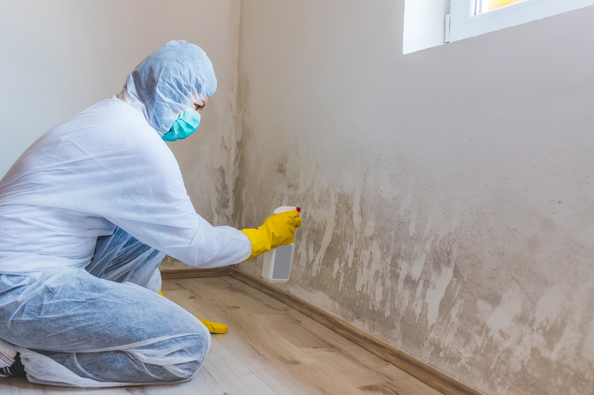
Charlotte’s subtropical climate brings plenty of rain and high humidity throughout much of the year, creating a prime environment for hidden mold to develop inside homes. Mold often lurks out of sight, posing invisible threats to your home’s integrity and your family’s health. Proactive mold removal in Charlotte is crucial to maintaining a clean, safe indoor environment, especially in this region, where mold-friendly conditions are common.
Many Charlotte homeowners are unaware of how local factors like summer thunderstorms, older construction, and poorly ventilated crawl spaces can foster stealthy mold growth. Failing to address hidden mold can lead to costly repairs, lost property value, and an increased risk of allergies or respiratory issues for those living in the home. As moisture is the main catalyst for hidden mold, understanding where and why mold develops is the first step in building a robust defense. From bathroom corners to attic insulation, paying attention to early warning signs will save time and money and help safeguard your home’s air quality. Local emergencies such as burst pipes or flooding are a leading cause of hidden mold outbreaks. When faced with sudden water issues, swift and professional intervention is vital. For urgent leaks or water damage, having resources for emergency plumbing in Charlotte can help minimize the risk of a long-term mold problem.
Understanding Hidden Mold
Mold is a resilient fungus that thrives in moisture-rich environments, particularly when airflow is limited or water intrusion occurs. Hidden mold can grow silently for weeks or months in Charlotte’s humid climate, where summer and early fall often bring heavy rain. Unlike visible mold, which appears on bathroom grout or basement walls, hidden mold might be concealed inside drywall, beneath carpeting, or within the air ducts, making detection and remediation more complex for property owners. For a broader perspective on the consequences of indoor mold across regions with similar climates, the Environmental Protection Agency offers valuable insights on the impact of mold in homes and best mitigation practices.
See also: How Technology Is Transforming the Home Buying Experience
Common Areas for Hidden Mold
Charlotte’s typical home layout and environmental conditions mean that certain places are especially vulnerable:
- Bathrooms: Hidden behind shower tiles or beneath bathroom sinks, where plumbing condensation is common.
- Kitchens: Under refrigerators, behind dishwashers, and beneath kitchen sinks, where slow leaks tend to go unnoticed.
- Basements: Around corners, behind stored boxes, or in crawl spaces that are frequently damp due to local humidity and rainwater runoff.
- Attics: On insulation, roof sheathing, or in ventilation ductwork where roof leaks or airflow issues are present.
- HVAC Systems: Within ducts, drip pans, or on filters that retain moisture in Charlotte’s warm summer months.
Health Risks of Mold Exposure
Charlotte residents are particularly susceptible to mold-triggered allergies during the warm, damp months. Health impacts can range from mild discomfort to serious medical concerns, especially for children, seniors, and individuals with chronic respiratory conditions. Common symptoms of mold exposure include:
- Chronic coughing, wheezing, or difficulty breathing
- Persistent sinus congestion and headaches
- Allergic reactions such as sneezing or skin dermatitis
- Eye and throat irritation
- Asthma flare-ups or development of respiratory infections
Preventive Measures
Preventing mold in Charlotte’s unique climate requires diligence and local know-how. Effective steps include:
- Control Humidity: Keep indoor humidity between 30 and 50 percent using air conditioners and dehumidifiers, particularly in basements and other naturally damp areas.
- Ensure Proper Ventilation: Install and use exhaust fans in bathrooms, kitchens, and laundry rooms to vent moisture outside.
- Fix Leaks Promptly: Regularly inspect roofs, plumbing, and HVAC systems for hidden leaks. Repair any issues immediately to prevent mold from spreading.
- Use Mold-Resistant Building Materials: Consider mold-resistant drywall, flooring, and paints when renovating or maintaining areas that are prone to dampness.
- Consistent Cleaning and Maintenance: Clean moisture-prone surfaces and keep crawl spaces and basements dry and clutter-free to discourage mold growth.
Detecting Hidden Mold
Because hidden mold does not always show obvious signs, staying alert for subtle indicators is vital:
- Musty, earthy odors (strongly present after rainstorms or plumbing leaks)
- Peeling, bubbling, or discoloration of paint and wallpaper
- Warping or softening of walls, floors, or ceilings
- Sudden or unexplained health symptoms, especially if they improve outside the home
Removing Mold Safely
Small patches of mold (less than 10 square feet) can often be handled safely by homeowners. Use these steps:
- Wear gloves, goggles, and an approved N95 respirator mask for protection.
- Mix mild detergent with water. Avoid using bleach on porous surfaces.
- Scrub the affected area thoroughly and rinse with clean water.
- Dry the area completely to prevent recurrence.
- Dispose of all contaminated rags and materials safely, as mold spores can linger on surfaces.
When to Call Professionals
If you discover mold covering a large area, suspect it is inside structural cavities, or find it spreading after flooding or a major leak, seek professional help. Mold remediation specialists in Charlotte are equipped to handle structural drying, deep cleaning, and safe disposal practices that prevent cross-contamination and thoroughly restore air quality.
Maintaining a Mold-Free Home
Regular home inspections, especially after storms or plumbing emergencies, are key to keeping your property mold-free in Charlotte. Stay proactive by maintaining gutters, sealing windows, ventilating crawl spaces, and promptly addressing moisture issues. These habits will help ensure long-term health and comfort for everyone in your household.
Conclusion
Protecting your Charlotte home from hidden mold requires ongoing awareness, preventive maintenance, and timely action, especially in a climate where humidity and rainfall create ideal conditions for growth. By understanding where mold commonly develops, recognizing early warning signs, and addressing moisture issues quickly, homeowners can significantly reduce the risk of structural damage and health complications. Equally important is knowing when to take preventive steps on your own and when to call in professional mold remediation specialists. While minor surface mold can sometimes be managed safely, hidden or widespread contamination often requires specialized equipment and training to eliminate the problem and prevent recurrence fully. Ultimately, staying proactive with inspections, ventilation, humidity control, and quick leak repairs helps preserve both your property value and your family’s well-being. With consistent care and informed decision-making, Charlotte homeowners can maintain a cleaner, safer, and healthier indoor environment year-round.