Why Quality Control Is Non-Negotiable in High-Performance Environments

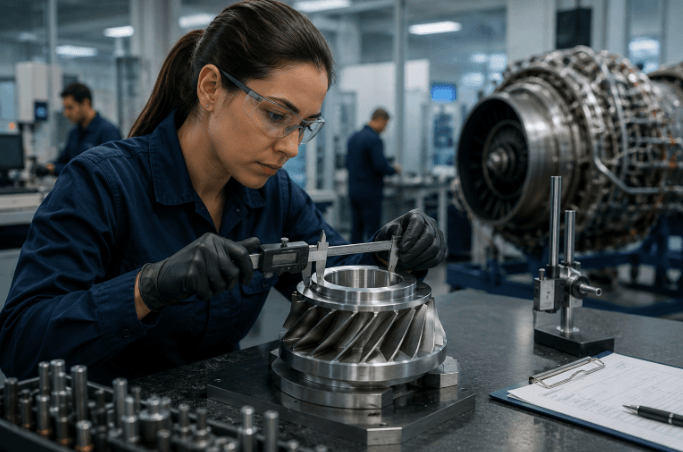
Working in high-performance environments requires the utmost perfectionism. For industries such as mining, aerospace and advanced manufacturing in massive Australia, a tiny error can cost millions of dollars. A failure in a crucial component may stop your multimillion-dollar operation in its tracks. That is precisely why implementing quality control is imperative, and not merely advisable.
If you source components for a high-pressure application, then you simply have no choice but to make sure that everything works exactly as intended. Let us discuss what makes it essential to apply quality control standards in your operation, especially in terms of working with heavy-duty materials.
What Is So Bad about Working in Extreme Conditions?
In essence, high-performance environments are those, in which machines are pushed to their limits constantly. One might consider the heat and dust of a mine, corrosion of salty waters in offshore drilling rigs, or incredibly precise requirements that are met in modern aerospace companies. The key point is that materials work under immense stress constantly.
This implies that any error in equipment can cost you huge losses, jeopardise the safety of workers, or seriously harm your reputation. When a mechanism works under conditions of high vibrations or high load, then all components are subject to immense pressures as well. And the key to building a strong structure lies in applying strict standards of quality right from the beginning.
Principles of Effective Quality Control
Quality control is not just a final procedure done to inspect parts right at the end of the production line. Instead, this is a whole philosophy implemented continuously throughout the process. Here, the very first principle is absolute traceability. All the materials should be documented thoroughly, including information on the particular grade of metal and relevant industry standards.
The second principle refers to consistent testing, in which batches of materials are tested and shown to meet exacting specifications each time. You do not want to find out that some parts performed perfectly in one batch, but the next batch showed serious errors in manufacturing.
The third principle of quality control is failure analysis, in which engineers test materials and products for extreme stress or exposure to harsh environments before putting them in action.
Using Quality Control Standards: Practical Approach
To implement the above principles, you will require the use of appropriate tools and techniques. One example of using quality control practices in manufacturing includes non-destructive testing procedures, such as ultrasonic inspection or X-ray imaging. This means that the integrity of materials can be assessed without damaging the component in any way whatsoever.
Optical inspection, in turn, uses automated systems based on digital cameras and sophisticated software algorithms to detect minute imperfections in manufacturing.
Of course, this applies not just to large parts, but to the small details as well. Consider, for example, machine screws, which secure the housing of some sensors. When the machine screws have inadequate thread tolerance, they may vibrate free and become loose over time.
On the other hand, a machine screw made of inappropriate materials may simply snap and fail to hold a sensor housing. Thus, buying certified components from reliable providers such as Bricon Industries is crucial in ensuring that even tiny parts will meet your needs.
See also: Maintaining Business Operations With Professional Plumbing Services
Quality Control as a Key to Success
We are witnessing a trend toward increasing automation of processes and the development of innovative testing equipment. For instance, the use of real-time monitoring and predictive analytics software has already become common practice in many industries.
And for Australian businesses that demand top-class quality, quality control standards are a must-have. You need to ensure the resilience of every component of your project, regardless of size. Start by auditing your supply chain, making sure that every single detail of your operation is up to par.