
Understanding Lipo Cavitation Equipment: How Non-Invasive Body Contouring Technology Works

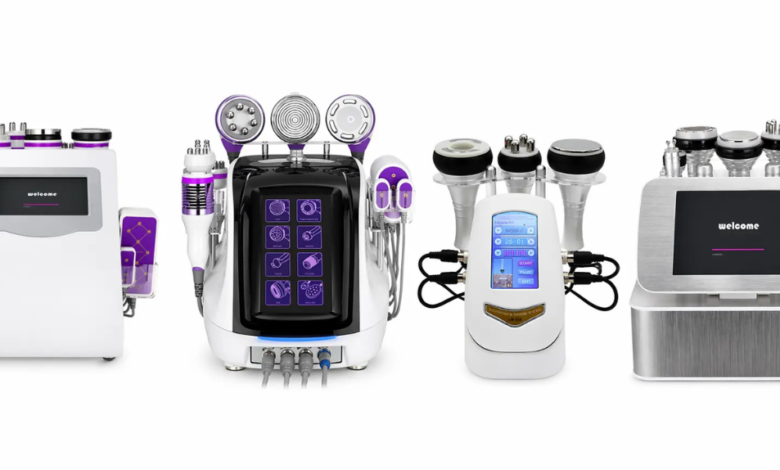
Body contouring has become one of the most requested aesthetic treatments among people looking for non-surgical alternatives to traditional fat reduction procedures. Thanks to advancements in beauty technology, professionals can now offer treatments that target stubborn fat deposits without needles, incisions, or lengthy recovery periods.
Among these innovations, lipo cavitation has earned widespread attention for its ability to support body sculpting treatments using ultrasound technology. Understanding how this equipment functions, where it is most effective, and what users should expect can help both professionals and clients make informed decisions.
Non-invasive body contouring technologies continue to evolve, giving beauty clinics and aesthetic practitioners access to advanced tools designed for client comfort and treatment efficiency.
One example of modern lipo cavitation equipment includes systems that utilize ultrasonic technology to support professional body contouring procedures while minimizing downtime.
What Is Lipo Cavitation?
Lipo cavitation is a non-invasive aesthetic treatment that uses low-frequency ultrasound waves to target localized fat deposits beneath the skin. Unlike surgical procedures, it does not involve anesthesia, incisions, or stitches.
The ultrasound energy creates microscopic pressure changes within fat cells. These pressure changes may disrupt the fat cell membranes, allowing the body to gradually process and eliminate the released contents through natural metabolic pathways.
Although the treatment is designed for body contouring rather than weight loss, it can help improve body shape when combined with a healthy lifestyle.
How Ultrasound Cavitation Technology Works
The science behind cavitation is based on acoustic energy.
During treatment, an applicator delivers ultrasonic waves into the targeted tissue. These waves generate tiny bubbles within the fatty tissue. As the bubbles expand and collapse, they create pressure that affects fat cells while leaving surrounding tissues largely unaffected.
After treatment, the body’s lymphatic and metabolic systems gradually remove the released fatty materials over several weeks.
This process is gradual, meaning visible improvements usually appear over multiple treatment sessions rather than immediately.
Common Treatment Areas
Lipo cavitation is commonly used on areas where stubborn fat tends to accumulate.
Popular treatment areas include:
- Abdomen
- Waist
- Love handles
- Thighs
- Hips
- Buttocks
- Upper arms
- Back
- Flanks
These areas often respond well because they contain localized fat deposits that may remain despite regular exercise and healthy eating.
The Difference Between Weight Loss and Body Contouring
One of the biggest misconceptions about cavitation is that it serves as a weight-loss treatment.
In reality, body contouring focuses on reshaping specific areas rather than reducing overall body weight.
Weight loss involves decreasing total body fat through calorie deficits, exercise, and lifestyle changes. Body contouring treatments, however, are designed to improve body proportions by addressing resistant fat pockets.
Individuals close to their ideal weight often experience the most noticeable contouring improvements.
Key Components of Professional Cavitation Systems
Modern aesthetic machines often combine several technologies into one platform.
Common components may include:
Ultrasonic Cavitation Handpiece
This is the primary applicator used for fat-targeting treatments. It emits low-frequency ultrasound waves into the treatment area.
Radio Frequency Technology
Some systems integrate radio frequency energy to support skin tightening after fat reduction.
Vacuum Therapy
Vacuum suction may help stimulate circulation while enhancing tissue manipulation.
Multipolar RF Handles
These attachments focus on skin firmness and collagen stimulation across different body areas.
The availability of multiple handpieces allows practitioners to customize treatments according to each client’s needs.
Benefits of Non-Invasive Body Contouring
Many people choose cavitation treatments because they avoid surgery while offering several practical advantages.
Potential benefits include:
- No surgical incisions
- Minimal discomfort
- No general anesthesia
- Little to no downtime
- Gradual natural-looking results
- Suitable for multiple body areas
- Can complement healthy lifestyle habits
Since normal daily activities can usually resume immediately after treatment, many clients appreciate the convenience.
Who May Be a Suitable Candidate?
Lipo cavitation is generally intended for healthy adults seeking body contouring rather than obesity treatment.
Suitable candidates often include individuals who:
- Maintain a relatively stable weight
- Have localized fat deposits
- Follow healthy eating habits
- Exercise regularly
- Have realistic expectations
- Wish to avoid surgery
The treatment is not intended as a replacement for medical weight management.
See also: How to Turn Challenges into Business Opportunities
Who Should Avoid Cavitation Treatments?
Certain individuals may not be suitable candidates.
Treatment is generally avoided for people who:
- Are pregnant
- Have implanted electronic medical devices
- Have severe liver or kidney disease
- Have active infections near the treatment site
- Have uncontrolled medical conditions
- Have certain metal implants in treatment areas
A professional consultation helps determine whether the procedure is appropriate.
Importance of Hydration
Hydration plays an important role before and after treatment.
Water supports the body’s natural metabolic processes and may help facilitate the elimination of released fat byproducts.
Many practitioners recommend:
- Drinking plenty of water before treatment
- Continuing hydration afterward
- Limiting alcohol intake
- Maintaining balanced nutrition
Proper hydration also supports overall skin health.
Treatment Expectations
Results vary between individuals depending on several factors.
These factors include:
- Age
- Metabolism
- Lifestyle
- Diet
- Exercise habits
- Treatment frequency
- Initial body composition
Some individuals notice changes after a few sessions, while others require additional treatments to achieve their desired outcome.
Consistency usually produces better long-term results.
Combining Cavitation with Healthy Habits
Technology works best when supported by healthy routines.
Recommended habits include:
- Regular physical activity
- Balanced nutrition
- Adequate hydration
- Consistent sleep
- Reduced processed food intake
- Stress management
These lifestyle choices help maintain body contouring improvements over time.
Features to Consider When Selecting Professional Equipment
Beauty professionals evaluating aesthetic technology often compare several important features.
Treatment Versatility
Machines with multiple treatment modes provide greater flexibility for different client concerns.
Adjustable Power Levels
Different clients require individualized treatment intensity.
User-Friendly Controls
Modern touch-screen interfaces simplify operation and improve workflow efficiency.
Multiple Applicators
Various handpieces allow practitioners to address multiple body regions.
Safety Functions
Automatic protection systems help ensure consistent performance throughout treatment sessions.
Safety and Professional Training
Even though cavitation is non-invasive, proper training remains essential.
Qualified practitioners understand:
- Appropriate treatment protocols
- Client assessment
- Contraindications
- Device settings
- Session planning
- Post-treatment recommendations
Professional education contributes significantly to treatment safety and consistency.
Common Myths About Lipo Cavitation
Myth 1: It Removes Fat Instantly
Results develop gradually as the body processes treated fat cells over time.
Myth 2: It Replaces Exercise
Healthy eating and physical activity remain important for maintaining body shape.
Myth 3: One Session Is Enough
Most treatment plans involve multiple sessions based on individual goals.
Myth 4: Everyone Gets Identical Results
Each person’s metabolism, body composition, and lifestyle influence treatment outcomes.
Future Trends in Body Contouring Technology
Non-invasive aesthetics continue advancing rapidly.
Manufacturers increasingly combine multiple technologies into single platforms, allowing practitioners to perform customized treatments that address fat reduction, skin tightening, circulation support, and overall body sculpting.
Future innovations are expected to improve treatment precision, client comfort, and energy efficiency while reducing treatment times.
As research continues, professionals can expect even more sophisticated solutions for personalized aesthetic care.
Conclusion
Lipo cavitation has become an important option within modern aesthetic practice because it offers a non-surgical approach to body contouring. By using ultrasound technology to target localized fat deposits, professionals can provide treatments that involve minimal downtime while supporting gradual body reshaping.
When combined with healthy lifestyle habits and realistic expectations, modern lipo cavitation equipment can play an important role in professional body contouring services designed to address stubborn fat areas safely and effectively.
FAQs
1. How many lipo cavitation sessions are usually recommended?
Most individuals require between six and twelve sessions depending on their treatment goals, body composition, and the area being treated. Sessions are typically scheduled one week apart to allow the body sufficient time to naturally process the affected fat cells and gradually reveal contouring improvements.
2. Is lipo cavitation painful?
Most clients describe the treatment as comfortable. Some may experience a mild warming sensation or hear a faint ringing sound caused by the ultrasound frequency. Since the procedure is non-invasive and does not involve needles or incisions, discomfort is generally minimal and recovery time is usually unnecessary.
3. Can lipo cavitation replace a healthy diet and exercise?
No. Lipo cavitation is designed to complement—not replace—a healthy lifestyle. Balanced nutrition, regular exercise, adequate hydration, and maintaining a stable weight are all important for achieving and preserving long-term body contouring results after treatment.
4. Are the results of lipo cavitation permanent?
The treated fat cells are reduced through the body’s natural elimination process. However, remaining fat cells can still enlarge if a person gains weight. Maintaining healthy habits after treatment helps preserve body contours and supports longer-lasting results.
5. How soon are results visible after treatment?
Some individuals notice subtle improvements after the first few sessions, while others require additional treatments. Because the body gradually removes the released fat over time, noticeable changes often become more apparent within several weeks, especially when supported by consistent healthy lifestyle practices.



One Comment