Commercial Roof Maintenance In Seattle: A Seasonal Checklist For Rain, Drainage, And Business Continuity

Key Takeaways
- Regular roof inspections help identify small problems before they become costly repairs.
- Seattle’s wet climate makes drainage, debris removal, and seasonal maintenance especially important.
- Commercial roof inspections should include membranes, flashing, drains, rooftop equipment, and signs of water damage.
- Repair, restoration, or replacement decisions should be based on the roof’s condition, age, and maintenance history.
- Keeping maintenance records and scheduling routine inspections can help protect commercial buildings and reduce unexpected downtime.
Seattle commercial properties face a familiar challenge: long wet seasons, wind-driven rain, debris buildup, and busy buildings that cannot afford unexpected leaks. A proactive commercial roofing maintenance plan helps property owners and facility managers catch minor defects before they become operational disruptions, interior damage, or expensive emergency repairs. Whether a building has a low-slope membrane, modified bitumen, metal roof, coating system, or vegetated roof area, consistent inspections are essential. The goal is not simply to find leaks. It is to protect drainage, preserve the roof system, document changing conditions, and make repair decisions before the wet weather makes access and scheduling more difficult.
Why Commercial Roof Maintenance Matters
A small opening at a seam, flashing detail, drain, or equipment curb can allow water into insulation and ceiling assemblies. What begins as a minor defect can spread beyond the roof, leading to stained ceilings, damaged inventory, mold issues, electrical hazards, and tenant complaints. Routine maintenance is generally easier to schedule and budget than a storm-day response. Inspection reports also create a useful history. Photos, repair records, and notes about ponding water can help owners identify recurring trouble spots, plan capital expenses, and provide supporting documentation for warranties or insurance discussions. For example, a blocked drain may look like a simple housekeeping issue until a heavy storm creates widespread standing water across a low-slope roof.
How Seattle Weather Affects Commercial Roofs
Seattle roofs must manage prolonged moisture rather than only occasional storms. Rain tests membranes, seams, flashings, penetrations, drains, gutters, and overflow routes. Wind can drive water beneath weak edge details or around vents, skylights, HVAC curbs, and pipe penetrations. Leaves, moss, branches, and other organic debris can slow drainage, while temperature changes cause metal, sealants, and roofing materials to expand and contract. Rooftop equipment adds another concern because service traffic can wear protective surfaces and create puncture risks along common walking paths.
A Seasonal Maintenance Calendar For 2026
Winter: January Through February
- Watch for active leaks, wind damage, ponding water, and blocked drains.
- Check ceilings, walls, mechanical rooms, and insulation for moisture signs.
- Review roof access points after major storms and keep emergency contacts available.
Spring: March Through May
- Schedule a thorough inspection after winter weather.
- Remove debris and inspect seams, flashing, fasteners, sealants, and penetrations.
- Document ponding areas and update the repair priority list.
Summer: June Through August
- Complete planned repairs when the weather is more predictable.
- Inspect walk pads, ladders, roof access, and areas around rooftop units.
- Review energy improvements, permits, and project timing for larger work.
Fall: September Through December
- Clear drains, scuppers, gutters, and overflow routes before heavier rain returns.
- Secure loose materials and repair small defects before wet conditions limit access.
- Confirm leak-response procedures with staff, tenants, and vendors.
Commercial Roof Inspection Checklist
A useful inspection should cover the full roof system, not just the location of the last leak. Include the following items in each report:
- Membrane condition, including cracks, punctures, blisters, loose sections, and open seams.
- Flashing at walls, curbs, skylights, vents, pipes, and HVAC equipment.
- Drains, strainers, scuppers, gutters, downspouts, and visible overflow paths.
- Standing water, slow-draining areas, exposed fasteners, loose metal, and failing sealants.
- Debris, vegetation, animal activity, interior stains, musty odors, or damp insulation.
- Walk pads, ladders, roof hatches, warning lines, and fall-protection equipment.
Why Drainage Deserves Priority
Drainage is a core roofing function. Water should drain from the roof surface efficiently rather than collect at seams, penetrations, or low areas. Clogged drains can contribute to excess water weight, accelerate membrane wear, and send water toward walls or occupied spaces when overflow routes are obstructed. Properties with private drainage facilities, vegetated roof systems, or stormwater controls should follow a documented maintenance schedule. King County offers guidance on stormwater drainage facility maintenance to help commercial and multifamily owners understand their ongoing inspection responsibilities.
Maintenance Needs For Common Roofing Systems
Single-Ply Membranes
Inspect seams, patches, edges, flashing, and high-traffic areas for punctures, shrinkage, or loose material.
Modified Bitumen And Built-Up Roofing
Check cap sheets, blisters, cracks, surfacing loss, seams, and past repair locations.
Metal Roofing And Roof Coatings
Metal roofs need attention around fasteners, panel seams, corrosion, trim, and penetrations. Coated roofs should be checked for cracking, peeling, thin coverage, ponding, and exposed substrate.
When To Repair, Restore, Or Replace
- Repair is appropriate when damage is limited, and the surrounding roof remains sound.
- Restoration may be suitable when the roof has remaining service life but needs renewed waterproofing or surface protection.
- Replace may be the better investment when leaks are widespread, insulation is saturated, drainage is inadequate, or repeated repairs no longer address the underlying issue.
Consider roof age, moisture findings, repair history, warranty requirements, energy performance, budget, and expected disruption before choosing a path.
How To Reduce Business Disruption And Build A Budget
Plan work around peak business hours when possible. Use phased scopes for large projects, protect entrances and inventory below work areas, establish temporary access routes, and send written notices to tenants, employees, customers, and delivery teams. Daily updates should identify completed work, weather delays, and next steps for budgeting, separate routine inspections, planned repairs, and emergency reserves. Track the roof’s age, material, size, access conditions, and recurring repair locations. Request written scopes that distinguish labor, materials, disposal, access needs, and optional upgrades. Review the budget after spring and fall inspections.
Safety, Permits, And Documentation
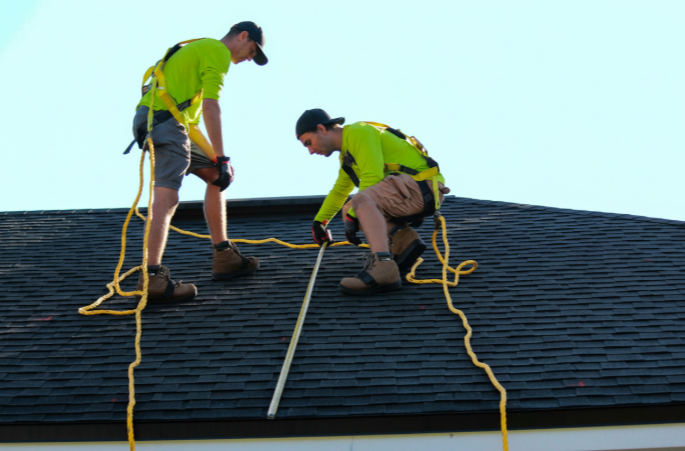
Roof access should be limited to trained, properly equipped personnel. Membrane repairs, hot work, flashing replacement, work near roof edges, and work around electrical or mechanical equipment should be handled by qualified professionals. Building staff can report interior leaks, safely photograph accessible conditions, and monitor ground-level downspouts. Larger projects may require permits. Seattle explains that commercial and multifamily re-roofing work can trigger permit and energy-code requirements, so review the current Seattle re-roof permit guidance before replacing roof coverings, sheathing, or insulation.
Frequently Asked Questions
How Often Should A Commercial Roof Be Inspected?
Many buildings benefit from professional inspections in spring and fall, plus additional checks after severe storms, when there is visible damage, or when there are recurring leaks.
What Should Be Checked After Heavy Rain?
Look for signs of interior water, ponding water, blocked drains, obstructed overflow routes, and moisture around rooftop penetrations.
Does A Leak Always Mean The Roof Must Be Replaced?
No. The right solution depends on the source of the leak, the condition of the roof assembly, moisture levels, repair history, and the remaining service life.
Conclusion
A practical commercial roof maintenance plan relies on seasonal inspections, clean drainage, safe access, detailed records, and timely repairs. In Seattle, preparing before the wet season can protect building operations, reduce emergency costs, and help owners make better long-term roofing decisions throughout 2026. Regular maintenance also makes it easier to identify developing issues, schedule repairs during favorable weather, and extend the service life of the roofing system. By keeping inspection reports organized and addressing minor defects before they worsen, property owners and facility managers can reduce disruptions for tenants, protect valuable assets, and maintain a safer, more reliable commercial building year-round.