Why Edmonton’s Freeze-Thaw Cycles Are Hard on Residential Gutter Systems

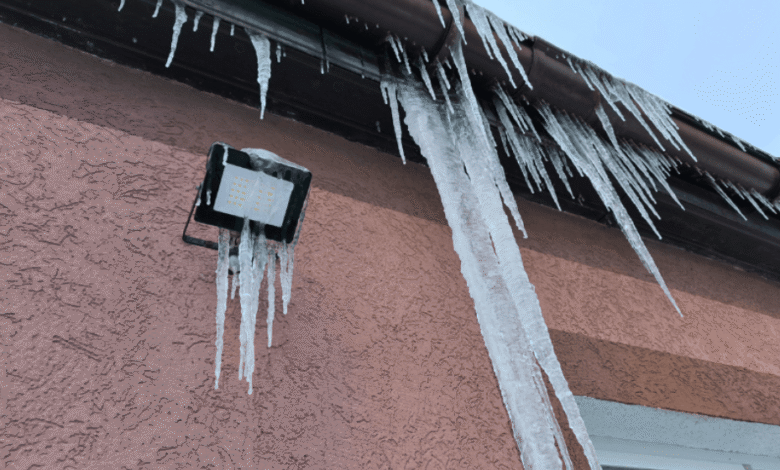
Edmonton homeowners know how quickly Alberta weather can change. A mild afternoon can start melting snow on the roof, only for temperatures to fall well below freezing later that evening. This constant movement above and below 0°C creates what is known as a freeze-thaw cycle, and it can be particularly hard on residential gutter systems.
Gutters may seem like a relatively simple part of a home, but they have an important job. They collect rain and melting snow from the roof and direct that water away from the siding, foundation, and other vulnerable areas. When water repeatedly freezes inside gutters and downspouts, however, small drainage problems can gradually become damaged sections, leaks, and sagging gutters.
Understanding what happens during Edmonton’s freeze-thaw cycles can help homeowners spot problems early and avoid more expensive exterior repairs later.
What Happens to Gutters During a Freeze-Thaw Cycle?
The process usually starts when temperatures climb above freezing.
Snow and ice on the roof begin to melt, sending water toward the eaves. Under normal conditions, that water enters the gutters, travels toward the downspouts, and drains away from the house.
Problems develop when water doesn’t leave the system quickly enough.
A partially blocked downspout, accumulated debris, or an incorrectly sloped gutter can leave water sitting inside the system. When the temperature drops again, that remaining water freezes.
As water freezes, it expands. At the same time, accumulated ice adds weight to a gutter system that was primarily designed to carry flowing water.
One temperature swing may not cause noticeable damage. Edmonton homes, however, can experience this process repeatedly throughout winter and during the transition into spring.
Ice Can Put Extra Weight on Gutters
A clean, properly installed gutter should allow water to move toward its downspouts without significant pooling.
When drainage is restricted, water can remain inside the gutter and eventually turn into ice. As more snow melts and freezes, the amount of ice can increase.
That additional weight places pressure on hangers, fasteners, and the fascia supporting the system.
Over time, homeowners may notice sections that appear lower than the rest of the gutter line. In more advanced cases, gutters can begin pulling away from the fascia.
Sagging also creates another problem: it changes the original drainage slope.
Once a low point develops, even more water can collect there. The next freeze adds additional weight to the same weakened section, creating a cycle that can progressively worsen the problem.
Small Leaks Can Become Larger Problems
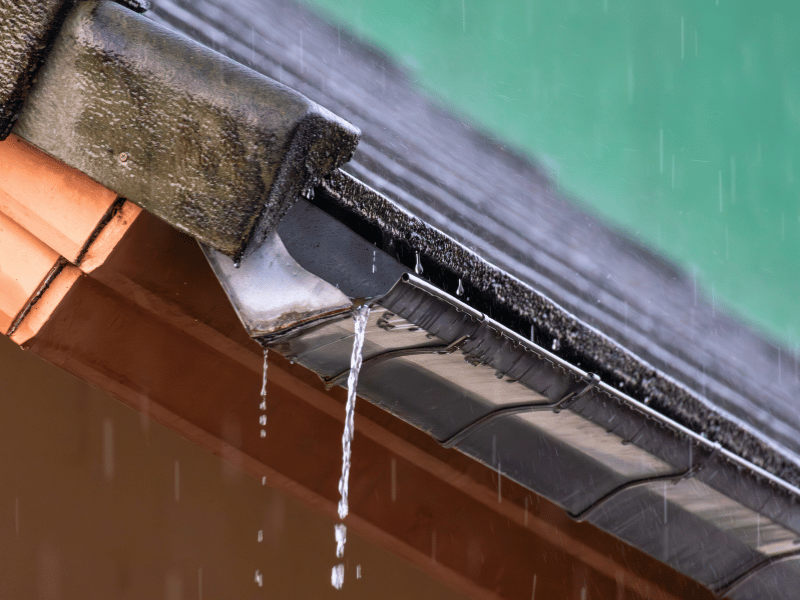
A small gutter leak can be easy to ignore, particularly if it only appears during heavy rain.
Winter conditions can make those weak points more significant.
Water can enter small gaps around corners, seams, and connections. When that water freezes and expands, it places additional pressure on the surrounding material and seal.
After enough freeze-thaw cycles, a minor separation may become a persistent leak.
This doesn’t necessarily mean the entire gutter system needs replacement. If most of the system remains in good condition, repairing the affected gutter sections may be enough to restore proper drainage and prevent the problem from spreading.
The key is identifying the actual cause. Simply adding sealant to a leaking area won’t necessarily solve the issue if the gutter is sagging, poorly sloped, or backing up because of a blocked downspout.
Frozen Downspouts Can Cause Water to Back Up
Downspouts are an equally important part of the system.
Their job is to take water collected by the gutters and move it down toward the ground, where it can be directed safely away from the home.
Leaves, needles, roofing debris, and compacted dirt can partially restrict a downspout. During warmer weather, some water may still pass through, making the blockage difficult to notice.
Winter changes the situation.
If water remains inside the downspout when temperatures fall, it can freeze. Additional meltwater arriving from the roof then has nowhere to go.
The result may be water backing up into the gutter, overflowing near the downspout or freezing around the outlet.
That’s why an overflowing gutter isn’t always a sign that the gutter itself is undersized or damaged. The restriction may be somewhere else in the drainage system.
Freeze-Thaw Cycles Can Expose Poor Gutter Slope
Gutters aren’t installed perfectly level. They require a slight, controlled slope toward the downspouts so gravity can move water through the system.
When the slope is incorrect, water tends to remain in certain areas.
During summer, a minor slope problem may only leave a small amount of standing water after rainfall. During an Edmonton winter, that same water can freeze.
Repeated freezing can increase the load in the lowest sections and eventually contribute to sagging or movement.
If water consistently remains in the same area after rain or snowmelt, it may be worth having the system inspected. In some cases, the gutter can be repositioned. In others, an older or badly distorted system may require proper gutter replacement and installation to restore reliable drainage.
Gutters Can Pull Away From the Fascia
Gutter hangers and fasteners need to support the system through rain, snowmelt, and changing Alberta weather.
Ice makes that job more difficult.
A gutter filled with frozen water can become significantly heavier than one carrying normal runoff. If hangers are already loose, damaged, or spaced incorrectly, the additional load can gradually pull the gutter away from the fascia.
The condition of the fascia itself matters as well.
If moisture has already caused deterioration behind the gutter, the attachment points may no longer provide adequate support. Reattaching a gutter to compromised fascia may only provide a temporary solution.
This is why it is important to look at the gutter system as a whole rather than treating every loose section as an isolated problem.
Clogged Gutters Make Winter Problems Worse
Many freeze-thaw problems begin before winter arrives.
Leaves, twigs, pine needles, dirt and roofing granules can accumulate inside gutters throughout the warmer months. This debris slows drainage and creates places where water can collect.
The gutter doesn’t have to be completely blocked to cause trouble.
Even a partial restriction can prevent meltwater from draining before the temperature falls below freezing.
For homes surrounded by mature trees, having the gutters properly cleaned before prolonged freezing weather can help keep water moving through the system and reduce unnecessary ice buildup.
Downspouts should be checked at the same time. Cleaning the visible gutter while leaving a restricted downspout doesn’t solve the entire drainage problem.
Overflowing Water Can Damage More Than the Gutter
The gutter itself is only part of the concern.
When water cannot follow its intended drainage path, it has to go somewhere else.
Overflow can repeatedly expose fascia and soffit to moisture. Water may run down siding or collect near the foundation instead of being directed away from the house.
During freezing weather, overflow can also create icy areas around walkways, entrances, and other parts of the property.
The risk can become more noticeable during major snowmelt events. A large amount of water may leave the roof over a relatively short period, making a clear and properly functioning drainage system especially important.
When Is Gutter Repair Enough?
Not every winter-related gutter problem requires a complete replacement.
Localized repairs may make sense when the majority of the system is still structurally sound.
For example, a contractor may be able to correct the following:
- a leaking corner or connection
- a loose gutter section
- minor sagging
- incorrect slope in one area
- a damaged downspout
- loose hangers or fasteners
Repair becomes less practical when problems are widespread.
If several sections are badly distorted, gutters repeatedly pull away from the house, drainage problems occur throughout the system, or leaks continue appearing in multiple locations, replacement may provide better long-term value than continuing to repair individual areas.
A proper inspection can help determine which approach makes sense for the condition of the home.
See also: Protect Your Home: The Importance of Regular Gutter Maintenance
Signs Edmonton Homeowners Should Watch For
Gutter problems are generally easier to address before the system is filled with ice.
Homeowners should pay attention to signs such as:
- gutters sagging between attachment points
- sections pulling away from the fascia
- water remaining in the gutter after precipitation
- leaks around corners or seams
- frequent overflowing
- loose or disconnected downspouts
- water stains on fascia or siding
- visible ice buildup in the same areas each winter
One of these signs doesn’t automatically mean a gutter system has failed. It does indicate that something may be preventing it from draining as intended.
Preparing Your Gutters for Edmonton Weather
Nobody can prevent Edmonton’s freeze-thaw cycles, but homeowners can reduce the strain they place on their gutter systems.
Keeping gutters and downspouts clear is a good starting point. Loose sections should be secured, leaks should be investigated, and areas that consistently hold water should be checked for slope or drainage problems.
It is also worth paying attention to recurring issues. If the same corner leaks every year or the same section repeatedly fills with ice, there may be an underlying installation or drainage problem that needs more than a temporary fix.
Nice Exteriors works with homeowners throughout Edmonton and surrounding communities to inspect, clean, repair, and replace residential gutter systems. With Alberta weather placing additional demands on exterior drainage, addressing small issues early can help keep water moving where it belongs and protect the surrounding parts of the home.
A well-functioning gutter system doesn’t make Edmonton’s winter any warmer, but it does make a home better prepared for the constant freezing, thawing, and snowmelt that come with it.