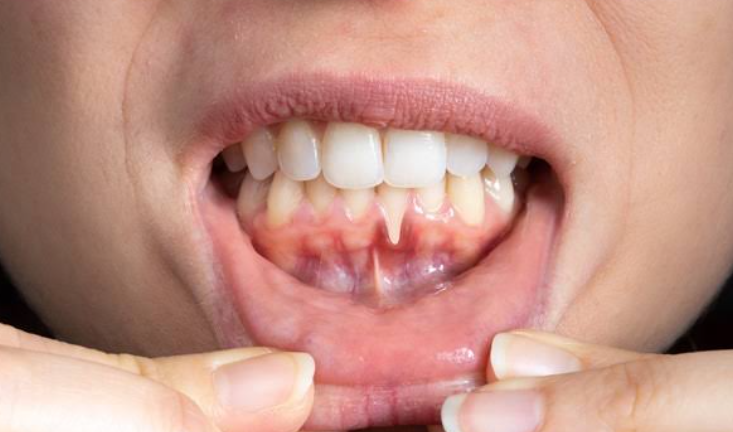
You take a sip of coffee, or a breath of cold air hits your mouth, and one tooth lights up before you can even think. That kind of sensitivity can feel sudden, annoying, and a little unsettling, especially if your teeth never used to react this way. When your gums start to pull back, the parts of the teeth that were meant to stay covered become exposed, and temperature changes can hit those areas fast. If this keeps happening, visiting an Oral Maxillofacial surgeon in Puyallup, WA can help you understand what is causing the discomfort and what treatment options may bring relief.
Why receding gums can change the way teeth respond to temperature comes down to one simple shift. Less gum coverage means less protection. The softer root surface under the gum line is not built to handle heat, cold, and daily wear the same way enamel is. If that exposure keeps going, sensitivity often gets worse, not better. A general dentist can help figure out whether the cause is gum recession, decay, grinding, or a mix of problems happening at once.
Exposed tooth roots make hot and cold feel sharper
Your enamel is the hard outer layer you usually think of when you picture a tooth. Under the gum line, though, the root surface is covered by cementum, which is much thinner and easier to wear away. Once gums recede, that root area can become exposed and the tiny channels inside the tooth can carry sensations straight toward the nerve. That is why cold water can sting, ice cream can feel impossible, and even warm soup may trigger a quick jolt.
This is one reason gum recession and tooth sensitivity so often show up together. The problem is not always dramatic at first. It may start with one tooth that reacts now and then, then spread to several teeth during brushing, eating, or drinking. You might also notice the teeth looking longer than they used to, or a notch near the gum line where brushing pressure or grinding has worn the area down.
According to UAB Dentistry’s patient education on sudden tooth sensitivity, exposed root surfaces are a common reason teeth start reacting to temperature. That reaction is not just in your head, and it is not something you should have to push through.
Gum disease and tooth decay can make sensitivity harder to ignore
Receding gums do not always happen on their own. Sometimes the recession is tied to aggressive brushing, clenching, or age related wear. In many cases, gum disease is part of the picture. When plaque sits along the gum line, the tissue can become inflamed and begin to pull away from the teeth. Over time, that can expose roots and create pockets where bacteria are harder to remove.
The National Institute of Dental and Craniofacial Research explains the stages and warning signs of gum disease, including redness, swelling, bleeding, and gum recession. If those signs sound familiar, sensitivity may be the symptom that finally gets your attention, even though the underlying issue has been building for a while.
Decay can make the situation worse. Root surfaces are more prone to cavities once they are exposed, and decay near the gum line can create another direct path for temperature pain. The NIDCR also outlines how tooth decay develops and why early treatment matters. If a sensitive tooth also traps food, hurts when you bite, or has a rough spot near the gum line, there may be more going on than simple exposure.
Daily habits can turn mild sensitivity into a constant problem
It often starts small. You switch sides when drinking something cold. You avoid brushing one area too well because it zings. You chew on the other side. Those workarounds make sense in the moment, but they can let plaque build up and give the real problem more time to grow.
There is also the brushing issue. A lot of people respond to gum concerns by brushing harder, thinking they are being extra thorough. That can wear away already exposed root surfaces and irritate the gums more. If you grind your teeth at night, the pressure can also stress the area near the gum line and deepen the damage. What feels like a small sensitivity issue can become a cycle of irritation, avoidance, and more exposure.
Receding gums temperature sensitivity is often manageable, but it rarely improves from neglect. Catching it early can mean simpler treatment and less discomfort.
Home care and professional dental care serve different roles
| Approach | What It Can Help With | Limits to Know |
| Desensitizing toothpaste | May reduce pain signals over time and make hot or cold foods easier to tolerate | Does not treat gum disease, decay, or structural wear |
| Softer brushing technique | Helps prevent more irritation and protects exposed root surfaces | Cannot reverse recession that has already happened |
| Fluoride products | Can strengthen vulnerable areas and lower cavity risk | Will not fix deep root exposure or infection |
| Professional dental exam | Identifies whether sensitivity comes from recession, decay, grinding, or gum disease | Requires follow through with treatment recommendations |
| In office treatment from a general dentist | May include bonding, prescription products, deep cleaning, bite adjustment, or referral for gum treatment | Best results depend on addressing the cause, not just the pain |
Small steps now can protect your teeth from more damage
Switch your brushing pressure. Use a soft bristled toothbrush and small circular motions near the gum line. If the bristles flatten quickly, you are probably brushing too hard. This one change can reduce ongoing wear.
Pay attention to patterns. Notice whether the pain happens with cold drinks, hot foods, sweets, brushing, or biting. Sensitivity from exposed roots often feels different from sensitivity caused by a crack or cavity. Those details help a dentist pinpoint the cause faster.
Schedule a dental evaluation before the pain spreads. Sensitive teeth and receding gums can look mild from the outside while the underlying issue keeps moving. A general dentist can check for recession, root decay, gum inflammation, enamel wear, and grinding, then map out the next step based on what is actually happening.
See also: Budget-Friendly Solutions for Home Makeovers
Relief starts with finding the cause
If your teeth have started reacting to temperature in a way they never did before, there is a reason. Gum recession is a common one, and it changes how well your teeth are shielded from everyday heat and cold. You do not need to guess whether it is just sensitivity or something more serious. Getting it checked early can spare you more pain and more treatment later. If these symptoms sound familiar, schedule a visit with a general dentist and get clear answers.