You may have started with crooked teeth and ended up worrying about much more than your smile. Maybe your bite feels off, your jaw clicks when you chew, or you wake up with tension in your face and wonder whether your teeth and jaw are working against each other. That concern makes sense. Teeth do not sit apart from the rest of your mouth. They guide how your upper and lower jaws meet, and when that relationship is off, daily things like eating, speaking, and even resting your mouth can feel harder than they should. For some people, choosing to straighten your teeth with clear aligners in Jamestown can be one step toward improving both comfort and function.
The connection between orthodontics and jaw alignment is direct. Orthodontic treatment focuses on moving teeth into healthier positions, but those tooth movements also affect how your bite fits together. In some cases, an orthodontist can improve strain on the jaw by correcting crowding, spacing, overbites, underbites, and crossbites. In other cases, jaw pain has more than one cause, and straight teeth alone will not fix everything. That is why a careful diagnosis matters.
Orthodontics Shapes More Than the Look of Your Teeth
Orthodontic treatment is often linked with appearance, but function is a big part of the picture. When your teeth do not line up well, your jaw may shift to find a position that feels workable. Some people chew mostly on one side. Some clench more because their bite never feels settled. Some avoid certain foods because biting into them feels awkward or painful.
This is where the link between braces and jaw position becomes clear. Teeth act like contact points for the jaws. If those contact points are uneven, the muscles around the jaw may work harder than they should. Over time, that can lead to wear on teeth, muscle fatigue, headaches, or tenderness near the jaw joints.
Children and teens may show this through mouth breathing, speech changes, or a bite that looks noticeably uneven. Adults often notice it in quieter ways. A filling keeps breaking. One side of the jaw feels tighter. Photos show the chin drifting slightly to one side when smiling. None of that automatically means severe jaw disease, but it does mean the bite deserves a closer look.
Jaw Alignment Problems Can Affect Comfort, Function, and Long Term Oral Health
Jaw alignment issues are not all the same. Some come from tooth position alone. Others involve the size or shape of the upper and lower jaws. A person with crowded teeth may need only tooth movement. A person with a pronounced underbite may have a skeletal issue that braces alone cannot fully correct.
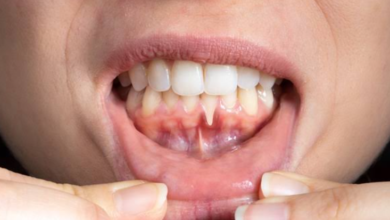
Malocclusion, which means a bad bite, can show up as an overbite, underbite, open bite, crossbite, or severe crowding. These problems can do more than affect appearance. They can increase tooth wear, make cleaning harder, raise the risk of gum irritation, and place uneven pressure on the jaw.
You might also be thinking about jaw pain and wondering if orthodontics is the answer. Sometimes it helps, especially when the bite itself is creating strain. Sometimes the pain is tied to clenching, arthritis, stress, injury, or temporomandibular joint disorders. The National Institute of Dental and Craniofacial Research explains TMD as a group of conditions affecting the jaw joints and muscles. That matters because not every clicking jaw needs braces, and not every person with crooked teeth has TMD.
An orthodontist looks at the whole pattern. How your teeth meet. Whether your jaw shifts when closing. Whether the upper and lower arches fit together. Whether growth is still happening. That full view helps separate a cosmetic concern from a functional one.
Orthodontic Treatment and Jaw Alignment Work Best With the Right Diagnosis
Good treatment starts by identifying what is actually wrong. If the issue is dental, meaning the teeth are in poor positions, braces or clear aligners may improve both bite fit and comfort. If the issue is skeletal, treatment may involve growth guidance in younger patients or a combined orthodontic and surgical plan in more severe adult cases.
This is why generic tooth straightening can miss the mark. If treatment focuses only on making teeth look even in the front, the bite in the back may still be unstable. You can end up with a smile that looks straighter but a jaw that still feels tense. A trained orthodontist for jaw alignment evaluates function, not just appearance.
| Concern | Cosmetic Tooth Straightening Only | Orthodontic Bite and Jaw Evaluation |
| Crowded or crooked teeth | May improve appearance | Improves appearance and checks how teeth fit together |
| Uneven bite pressure | May be missed | Measured and addressed during planning |
| Jaw shifting when closing | Often overlooked | Evaluated as part of diagnosis |
| Clicking or jaw discomfort | Not usually assessed in depth | Considered along with bite, muscles, and joint symptoms |
| Severe overbite or underbite | May have limits | Can identify whether braces, aligners, or combined care is needed |
Practical Signs That Orthodontics and Bite Alignment Deserve Attention
Some signs are easy to spot. Teeth overlap heavily. Front teeth do not touch. The lower jaw looks pushed back or forward. Other signs are less obvious. You bite your cheek often. One side of your bite hits first. Your teeth are chipping without a clear reason. You feel embarrassed by your smile, but the deeper problem is that your mouth never feels comfortable at rest.
Orthodontics and bite alignment matter because small imbalances can build into bigger ones. Extra wear on enamel, gum recession around crowded teeth, and chronic muscle tension are not rare outcomes when the bite is working poorly for years.
Three Steps You Can Take Right Away
Track your symptoms. Pay attention for one week. Notice jaw clicking, soreness, headaches, clenching, uneven chewing, and tooth sensitivity. Write down when it happens and what you were doing. Patterns help a provider see whether the problem is bite related, muscle related, or both.
Ask for a functional orthodontic evaluation. Do not settle for a quick look at whether your teeth seem straight. Ask how your bite fits, whether your jaw shifts on closing, and whether your tooth positions may be adding strain. If a provider cannot explain the function behind the treatment plan, keep asking questions.
Protect your teeth while you sort it out. Avoid chewing ice, hard candies, and other habits that add force to an already stressed bite. If you clench at night or wake with jaw soreness, mention it during your exam. That detail can change the treatment plan.
Better Jaw Alignment Often Starts With Better Bite Support
If your bite feels off, you are not imagining it, and you are not being overly focused on small changes. Your teeth, jaw joints, and muscles work as one system. When one part is out of balance, the rest often feels it. The right orthodontic plan can improve that balance, reduce strain, and give you a smile that looks better because it functions better too.
If you are noticing signs of bite problems or jaw discomfort, schedule an evaluation with an orthodontist and get clear answers about what is happening and what treatment can realistically improve.