You might already know the feeling. One tooth needs a filling, another bothers you when you chew, and every time you smile in photos, your eyes go straight to the stain or chip you wish you could fix. What sounds like one dental problem often turns into three different needs, and that is where people get stuck. They are not just looking for a cleaning or a single procedure, whether that means fillings, cosmetic treatment, or tooth implants in Maryville, TN. They want care that makes sense as a whole.
A dental center can bring those pieces together. Instead of sending you in one direction for routine care, another for appearance, and another for advanced treatment, one office can coordinate the plan. That matters when timing, budget, comfort, and long term results all affect each other. How dental centers combine general, cosmetic, and specialty dentistry comes down to one simple idea. Your mouth does not separate itself into categories, so your care should not feel scattered either.
Integrated dental care solves the problem of fragmented treatment
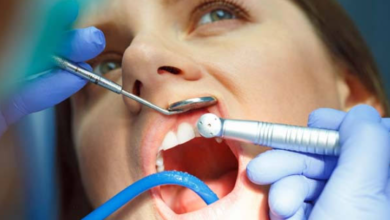
Many people start with general dentistry because that is usually the first need. Cleanings, exams, X rays, fillings, gum checks, and cavity prevention keep the basics under control. According to MedlinePlus dental health information, oral health connects to daily comfort, eating, speaking, and overall health. When routine care gets delayed, small issues grow fast.
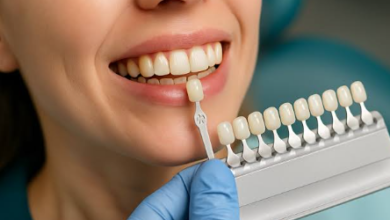
Then the cosmetic concerns show up. You may want whitening, bonding, veneers, or tooth shaping because your teeth look worn, uneven, or darker than they used to. That is not vanity. It is often about confidence. If you cover your mouth when you laugh or avoid close up photos, the emotional weight is real.
Specialty dentistry enters the picture when the issue is more complex. You may need orthodontics for bite problems, periodontics for gum disease, endodontics for root canal treatment, oral surgery for extractions or implants, or pediatric support for a child with different needs. The American Dental Association recognizes multiple areas through its list of recognized dental specialties, which helps explain why one concern can lead to several types of care.
When these services are disconnected, treatment gets harder than it needs to be. One provider may recommend whitening before another notices decay that should be treated first. A patient may invest in veneers without understanding how bite alignment could affect them later. Someone with gum disease may focus on appearance while the foundation under the teeth continues to weaken. The problem is not just inconvenience. It is poor sequencing.
Integrated dentistry services reduce that risk because the plan starts with the full picture. General care protects health. Cosmetic treatment improves appearance once the mouth is stable. Specialty treatment handles the deeper structural or surgical issues that could limit results if ignored. Each part supports the others.
A dental center can coordinate health, appearance, and advanced treatment
This model helps in very practical ways. Records stay in one place. Imaging can be reviewed by multiple providers. Treatment phases can be scheduled in the right order. You spend less time repeating your history and less energy trying to piece together conflicting advice.
Picture a common example. A patient wants a brighter, straighter smile. During the exam, the team finds gum inflammation and an old cracked filling. In a disconnected system, the patient may chase cosmetic fixes first, then deal with pain later. In a coordinated dental center, the sequence is clearer. Clean the gums. Repair the damaged tooth. Review alignment. Then move into whitening or veneers if they still fit the goals. That is what dental center services look like when they are organized around the person instead of the procedure.
Research also supports the need for better oral health systems. The National Institute of Dental and Craniofacial Research outlines major gaps and progress in Oral Health in America research, and its full report on oral health advances and challenges in America shows how prevention, access, and coordinated care shape outcomes across the lifespan. For patients, that often comes down to a simpler truth. Care works better when the right people are working from the same plan.
General, cosmetic, and specialty dentistry each serve a different purpose
| Type of Dentistry | Main Focus | Common Services | What Happens If It Is Delayed |
| General Dentistry | Prevention and basic treatment | Exams, cleanings, fillings, X rays, sealants | Small issues can become pain, infection, or tooth loss |
| Cosmetic Dentistry | Appearance of teeth and smile | Whitening, bonding, veneers, contouring | Confidence concerns remain, and cosmetic work may be less predictable if health issues are missed |
| Specialty Dentistry | Advanced or focused treatment needs | Orthodontics, periodontics, endodontics, oral surgery, implants | Structural, gum, or nerve problems can worsen and affect future treatment options |
The table looks simple because the idea is simple. Each branch does a different job, but they overlap in real life. A person who wants implants may need gum treatment first. A child with crowding may still need routine preventive care on schedule. A patient planning veneers may need bite correction or root canal treatment before cosmetic work can last. A good dental center sees those connections early.
Clear next steps make dental care feel manageable
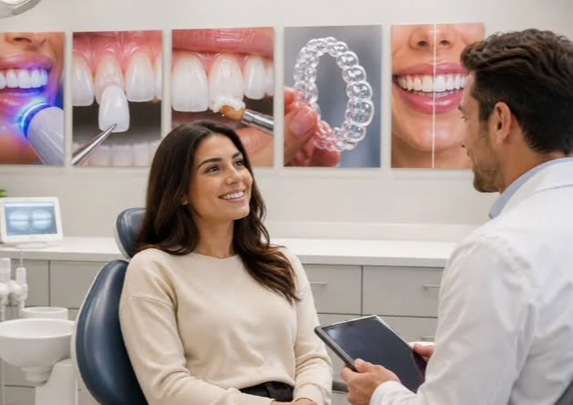
Start with a full mouth evaluation. Ask for a visit that looks at function, gum health, existing dental work, and appearance goals together. Do not limit the conversation to the one tooth that hurts if you already know there are other concerns.
Ask about treatment order. The right question is not only what you need. Ask what should happen first, what can wait, and what could affect the success of another procedure. This helps you avoid paying twice or redoing work later.
Request a written care plan. A clear plan should outline phases, estimated timing, likely referrals if needed, and cost ranges. When you can see the roadmap, the process feels less overwhelming and easier to budget for.
A dental center gives you one plan instead of scattered answers
If your dental needs have started to pile up, you are not behind in some personal failing. This is how oral health often works. One issue touches another, and what begins as routine care can affect comfort, confidence, and long term function. A well organized dental center helps bring those moving parts into one plan, so you can stop guessing what comes first and start getting care that fits your real life.
Take the next step by scheduling an evaluation with a dental center that offers general, cosmetic, and specialty support under one roof or through a closely coordinated team.