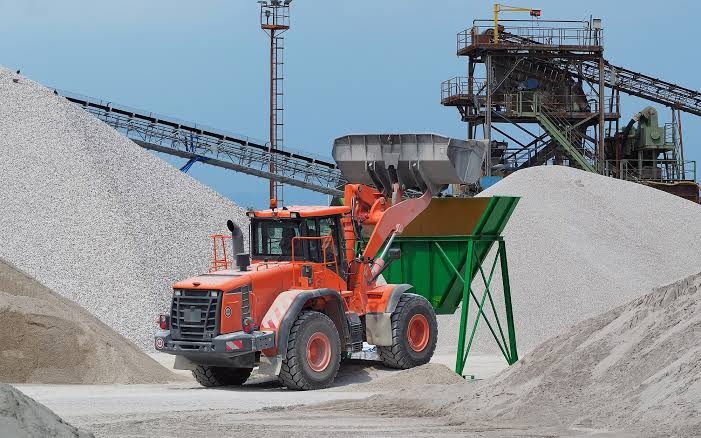
In any construction activity, timing is crucial. For instance, concrete has to be poured before it hardens, aggregate has to be transported to the construction site before the team runs out of work, and materials have to flow predictably for the construction process to follow its schedule. One of the devices that make materials flow predictably and efficiently, but whose role is largely unnoticed, is the hopper trailer. This trailer has not made the limelight, but it is a highly efficient device for transporting loose and granular products without losses.
This is the reason why numerous construction firms, aggregate supply companies, and transportation companies have embraced hopper trucking as part of their transport strategy. As opposed to flatbeds and dump trucks, the hopper trailer is specifically designed for the bulk and freely flowing materials such as sand, gravel, crushed stone, cement, grain products that are used in stabilizing sites, among others. The hopper trailer design makes it easy to quickly load materials using overhead sources and unload materials using gravity-fed gates from below.
The importance of the matter will become clear from examining the process of an average aggregate delivery in the absence of the proper equipment. In order for a normal dump truck to unload its cargo, it should be properly positioned and tilted. This process takes some time, especially if it is done in a city site or on a site which doesn’t have a convenient road system. Hopper trailers eliminate this problem since they are able to discharge their cargo directly down below from gates mounted at the bottom of the trailer. This is achieved without any tilting of the trailer, without any need for swing space and with no risks of cargo movement while discharging.
Why Construction Companies Are Rethinking Their Hauling Strategy
For quite some time now, prices for material have been unpredictable while labor has been in short supply, making it difficult to maintain adequate numbers of haulers for the projects. These factors have forced contractors and vendors to pay close attention to the efficiency with which their trucks were working. If a truck takes twenty additional minutes at each stop to unload its load, then it will make less trips per day, which means that less materials will be delivered each day.
That’s also one of the reasons why the concept of hopper hauling became so popular specifically in the construction and aggregate transportation industry. The idea of hopper hauling involves not only the trailer itself but an optimization of the whole cycle of loading, transporting and unloading into one continuous process. The efficiency of hopper truck hauling operations allows doing things faster and minimizing idle times in the process of loading/unloading of the truck.
However, there is a safety factor that needs mentioning as well. Manually assisted unloading or the process of using equipment that requires drivers to leave their cabs and control different machinery increases the potential for something to happen. Using a gravity-driven hopper system eliminates many of the steps that have to be taken manually. This reduces the potential of injuries while unloading. In the case of sites that already keep OSHA compliance and insurance costs in check, this factor becomes important.
The Materials That Benefit Most
It is important to point out that not all construction materials are suitable for hopper hauling. A hopper trailer is designed specifically for materials with flow characteristics meaning they flow under gravity without bridging, clumping or sticking to the trailer. Such materials include:
- Sand and construction grade sand
- Gravel and crushed stones for the use in the road base and drainage layers
- Concrete and dry cementitious materials
- Fly ash and supplementary cementitious materials
- Lightweight aggregates for structural fill
The wet, sticky, or easily clumping materials such as some clay-rich soil will create problems when being transported in a hopper trailer as they do not flow well through the trailer bottom gates. The difference is important when the project manager decides which type of hauling equipment to order from the equipment supplier or trucking company. Using the incorrect equipment for the wrong material not only slows down the process but also damages the trailer gates in the long run.
What to Look for in a Hauling Partner
When a construction firm or a materials provider considers its options regarding trucking services, there are a few relevant questions to ask:
- Condition of the fleet and maintenance of gates. Bottom gates are an important part of hopper trucks and can lead to losses if they do not work properly – either causing leakage of material or jamming during the unloading process.
- Knowledge of the geography of the region. A hauler that operates regularly in the chosen region knows what sites have restricted access, what deadlines are tight, and what effect the weather has on unloading (wet aggregate is different from dry).
- Versatility in terms of capacity. Construction projects usually do not require the same amount of material delivered each day and a hauling company that can vary its capacity depending on the needs of the project is more useful than a firm providing fixed volume per day.
- Coordination. For large-scale construction projects, it is better to know exactly when the truck will deliver the load because it helps to allocate crews better.
- Safety record. Given how much material moves through these operations, a carrier’s safety history is a reasonable proxy for how well their equipment is maintained and how well their drivers are trained.
See also: Rethinking Delivery: Flexible Solutions for Modern Businesses
A Closer Look at Bottom-Discharge Efficiency
Another element that tends to be overlooked is the contribution of the discharge process alone towards the increase in efficiency. This is why hopper bottom trucks get their name. In hopper bottom trucking, there is a possibility of discharging the materials at a controlled pace and rate in a gravitational flow of materials, allowing more precise control on how fast and how much material should be discharged. If one is working at the construction site where aggregates need to be delivered at certain points such as a trench line or a spreader, then a hopper bottom truck will deliver materials in the way which would not have been possible otherwise.
What this does for turnaround times is make them faster by many times. It is faster to unload a hopper bottom trailer and, furthermore, since the operator does not need to get out of the cabin in order to open and close the discharge gates, there is no interruption in the process which means a quicker and a more efficient operation all the way through.
Looking Ahead
With increasing pressures being placed on construction projects in terms of shortened schedules, rising material prices, and limited labor resources, the logistics aspect of the business is becoming increasingly important. Hauling is not just a logistical consideration any more; rather, it is another variable which project managers must consider optimizing, along with crew scheduling and material sourcing. Selecting the proper type of trailer, working with carriers who understand the unique aspects of hauling aggregate and bulk materials, and considering details such as the speed of discharge and maintenance of the gates can make a significant difference in overall efficiency. For contractors and suppliers who frequently haul dry bulk cargo, there may be a need to take a look at whether or not their present hauling process is designed effectively.