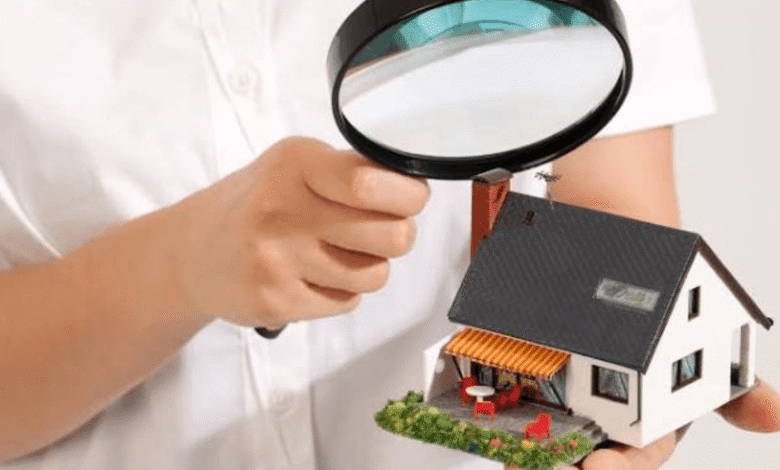
Buying a property is one of the largest financial commitments most people will ever make. What the home looks like on the surface matters far less than what’s going on underneath it. A property can show well at an open house and still have serious issues that aren’t obvious to an untrained eye. Understanding what to look for and knowing when to call in a professional gives you a real advantage before you sign anything.
Start With the Overall Condition of the Property
Try to look past the styling and focus on the bones of the building. Walk through each room with fresh eyes and note anything that looks out of place:
- Cracks in walls or ceilings
- Floors that feel uneven or springy underfoot
- Doors or windows that stick, drag, or don’t close properly
- Water stains on ceilings or walls
- Signs of previous repairs or patching
None of these things automatically signals a serious problem, but they’re worth noting, and they deserve a closer look before you commit to a purchase.
Look for Signs of Moisture and Water Damage
Keep an eye out for water stains, peeling paint, mould, and soft or damp areas near skirting boards. A musty smell in a bathroom, laundry, or enclosed space is also worth taking seriously.
Damaged or discolored timber can point to prolonged moisture exposure, and the source is often not where the visible damage appears. If something looks off, note it and get it properly assessed before moving forward.
Check the Exterior, Roof and Drainage
Take time to walk the perimeter and look at the overall condition of the exterior walls, gutters, downpipes, and any retaining walls or fencing. Roof condition is worth paying attention to, even from ground level. Missing or damaged tiles, sagging gutterline, and blocked downpipes can all lead to water entering the property over time.
Drainage around the building is another area buyers often miss. Ground that slopes toward the house rather than away from it can cause water to pool against the foundation. Look for signs of pooling, soil erosion, or staining along the base of external walls. Some of these areas may not be safely or easily assessed during a property viewing. That’s worth keeping in mind as you weigh up what you’ve seen.
Pay Attention to Renovations and Alterations
When walls are removed without proper structural support, or when extensions are built without the right approvals, it can create problems that aren’t immediately visible. The quality of the finish doesn’t tell you much about what’s behind it.
Take note of anything that looks recently altered or inconsistent with the rest of the property. Buyers may need to investigate whether relevant work was completed to an appropriate standard and whether the necessary permits were obtained.
Know When to Bring in a Professional
An open home walkthrough has real limits. You’re working with limited time, limited access, and no specialist tools, so a lot can go unnoticed even if you know what to look for. A professional building inspection gives you a more systematic assessment of the property’s accessible areas. An experienced inspector can identify defects that aren’t visible to an untrained eye and explain what those findings mean before you commit.
Experience and qualifications matter when choosing a building inspector in Melbourne, particularly when the findings may influence a decision of this size. A thorough assessment by a qualified professional gives you far more to work with than a visual walkthrough alone.
Questions to Ask a Building Inspector
Before you book, it’s worth asking a few direct questions. The answers will tell you a lot about what you’re actually getting.
- What qualifications and experience do you have?
- Who will conduct the inspection, you personally, or someone else?
- What areas of the property will be covered?
- What does the report include, and will it have photographs?
- How quickly will the report be available after the inspection?
- Can I attend the inspection?
- Can I call you afterward to discuss the findings?
- Are there areas or defects that fall outside the scope of the inspection?
An inspector who answers these questions clearly and without hesitation is a good sign. If the answers are vague, that’s useful information too.
See also: How to Turn Challenges into Business Opportunities
Use the Inspection to Make a More Informed Decision
An inspection report is one piece of a larger picture. It should be read alongside other information you’ve gathered about the property, not treated as the final word on its own.
Depending on what the report shows, you might decide to seek further advice from a structural engineer or pest specialist, ask the vendor for more information, or factor potential repair costs into your decision.
In some cases, the findings may lead you to reassess whether the property is the right fit altogether. What an inspection report won’t do is guarantee that a property is defect-free. What it will do is give you a clearer, more informed starting point for one of the biggest decisions you’ll make.
Endnote
Buying a property involves more than deciding whether you like the layout or the street. The condition of the home affects what you pay, what you’ll need to spend, and how the property holds up over time.