How to Spot Hidden Plumbing Problems Before They Become Expensive Repairs

A higher water bill, a faint musty odor, or a toilet that seems to refill on its own can be easy to dismiss. Yet these small changes may be the first warning that water is escaping where it should not. Homeowners who know what to watch for can often limit damage, reduce wasted water, and make better decisions about when to seek help. For additional plumbing information and service-related guidance, visit the website.
Not every wet spot means a broken pipe, and not every increase in water use signals a leak. Seasonal irrigation, houseguests, laundry, and changing routines all affect consumption. The goal is to notice patterns, perform safe visual checks, and respond early when several warning signs point to the same problem.
Why Water Bills Rise Without Major Changes
Start by comparing the current bill with the same month last year. A seasonal increase may be expected, but a sharp jump without a clear explanation deserves attention. Running toilets, dripping faucets, irrigation leaks, water-heater seepage, and damaged supply lines can all add water use quietly. The EPA notes that household leaks can waste nearly 1 trillion gallons of water annually nationwide, which makes routine checks worthwhile throughout the year.
Consider whether outdoor watering, visitors, pool use, or extra laundry explains the difference. Also note related symptoms, such as lower water pressure, a constantly running fixture, or the sound of water moving when every faucet is off. Those details can help narrow the search.
Common Signs of a Hidden Leak
Leaks behind walls or beneath flooring do not always create an obvious puddle. Instead, look for changes that persist or spread over time:
- Musty smells in cabinets, closets, crawl spaces, or utility rooms.
- Bubbling paint, peeling finishes, or unexplained discoloration.
- Warm, damp, or soft areas on a floor.
- Water stains on ceilings, walls, or baseboards.
- Mold-like growth near fixtures, tubs, or under-sink plumbing.
- A toilet that refills after no one has used it.
- Water sounds when faucets and appliances are off.
- An unexplained drop in pressure at several fixtures.
One symptom alone does not prove a plumbing leak. Condensation can resemble a pipe problem, while roof leaks, poor ventilation, and drainage issues can cause moisture in similar locations. Look for a pattern, document what you see, and avoid guessing based on a single stain or odor.
How Seasonal Conditions Affect Plumbing
Summer Conditions
Summer often raises daily demand through showers, laundry, gardening, and guests. Irrigation leaks can be especially easy to miss because water may soak into the ground without forming a visible puddle. Heat can also dry out seldom-used drain traps, allowing unpleasant sewer-like odors into the home. High humidity may slow evaporation, making it harder to tell whether moisture comes from condensation or an active leak.
Storm and Rainy-Season Conditions
Heavy rain can overwhelm yard drainage and expose weak points around foundations, cleanouts, and outdoor drains. Tree roots may worsen existing sewer-line damage, while power interruptions can affect sump pumps, well pumps, and other electrically powered equipment. If floodwater reaches drains or septic areas, use caution because contamination may be present.
Where Hard Water Causes Trouble
Hard water contains dissolved minerals, commonly calcium and magnesium. As water evaporates or heats up, those minerals can remain behind as scale. You may notice white or chalky buildup around faucets, reduced showerhead flow, water spots on glass, stiff-feeling laundry, or sediment concerns around water-heating equipment.
Mineral buildup can gradually restrict aerators, showerhead screens, valves, and appliance connections. It may also reduce water-heater efficiency when sediment accumulates. However, hard water does not automatically mean a whole-home treatment system is necessary. Test the water first, then compare the maintenance, cost, and expected benefit of treatment options before making a major purchase.
See also: Protect Your Home: The Importance of Regular Gutter Maintenance
A Simple Home Plumbing Checkup
A practical inspection takes about 30 minutes and can be repeated every few months. The EPA recommends regularly checking fixtures and systems for leaks, especially when bills or water performance change.
- Walk through the home and listen for running water.
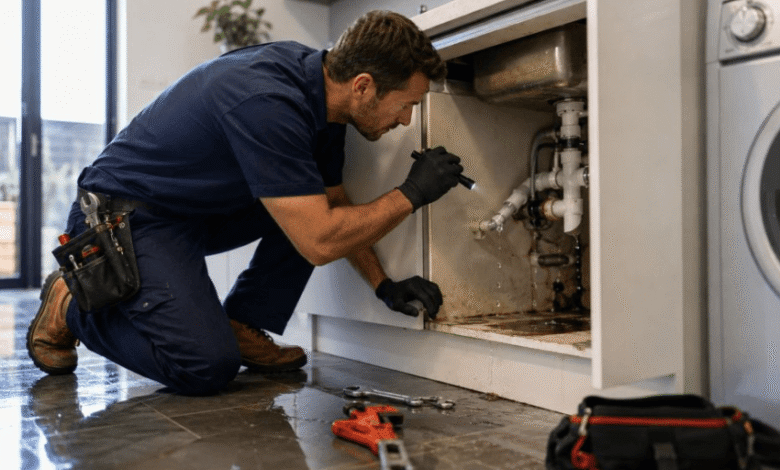
- Check beneath every sink for damp surfaces, corrosion, or loose connections.
- Inspect toilet bases for staining, movement, or soft flooring.
- Look around the water heater for rust, moisture, or corrosion.
- Run faucets and note weak, uneven, or sputtering flow.
- Check outdoor hose bibs, hoses, and exposed pipes.
- Inspect washing-machine hoses and the area around the dishwasher.
- Photograph unusual conditions and record the date.
How to Test for a Leak at the Water Meter
A meter test can confirm whether water is moving through the system when it should be still. First, turn off faucets, appliances, irrigation, ice makers, and other water-using equipment. Take a clear photo of the meter reading, wait at least 30 minutes, then check it again. A changed reading suggests water is being used somewhere.
This test cannot identify the exact source. Do not open sealed utility equipment or attempt repairs near electrical components, gas appliances, pressurized tanks, sewage, or a water heater. Contact the water utility or a qualified professional if the reading changes and no intended water use occurred.
When to Stop a DIY Check and Call for Help
Basic observation is useful, but some problems should not become a home project. Seek prompt help for a burst pipe, major leak, flooding, sewage backup, or water appearing inside walls, ceilings, slabs, or foundation areas. Also get assistance for whole-home pressure changes, recurring drain backups, suspected sewer damage, or problems involving gas lines, pumps, electrical outlets, and water heaters.
A Plumbing Maintenance Plan
Monthly
- Check under sinks and around toilets.
- Watch for unexplained water use or new odors.
- Clean faucet aerators and showerhead screens as needed.
Every Three to Six Months
- Inspect the water-heater area and appliance connections.
- Test accessible shutoff valves carefully.
- Review water bills for unusual changes.
Once a Year
- Arrange a broader inspection for an older home or a home with recurring issues.
- Test installed leak-detection devices.
- Review emergency shutoff, storm, vacation, septic, or well-maintenance plans.
Final Thoughts
Plumbing problems often begin quietly. A damp cabinet, an odd odor, a slow drain, or a larger bill may be an early warning rather than a minor inconvenience. Regular checks cannot prevent every failure, but they can help you find small issues before damage spreads. Watch for changes, document what you find, and bring in qualified help when the problem goes beyond a safe inspection.