Key Takeaways
- FIRTH Engineering helps Alberta employers assess lifting equipment, document its condition, identify deficiencies, and obtain engineering review where certification is appropriate.
- A complete request should include equipment details, prior records, repair history, known damage, testing needs, site access information, and the required completion date.
- Certification is not a replacement for daily checks, operator competency, preventive maintenance, safe-work procedures, or employer responsibilities.
- Early planning can help identify repair or testing requirements before they affect a project schedule.
When a crane, hoist, forklift, aerial lift, man basket, or oilfield rig needs formal review, equipment owners need more than a basic checklist. FIRTH Engineering supports certified lift equipment testing through field inspection, technical reporting, testing coordination, engineered repair procedures, and professional engineering review. The right scope depends on the specific asset, its rated capacity, manufacturer instructions, operating history, site conditions, applicable legislation, and relevant industry standards. FIRTH Engineering helps clients organize this information so that the inspection process addresses the actual condition of the equipment and the requested deliverables.
Why Lift Equipment Certification Matters in Alberta
Lift equipment can involve structural, mechanical, electrical, rigging, and operational risks. Alberta’s cranes, hoists and lifting devices requirements apply to lifting devices with rated load capacities of 2,000 kilograms or more, with additional provisions for certain equipment and circumstances. Requirements can address permanent equipment identification, rated capacity markings, load charts, competent operators, log books, inspections, defects, repairs, modifications, and certification records. For example, employers must complete a lift calculation for a lift exceeding 75 percent of a crane’s rated capacity. The applicable requirements should always be confirmed for the equipment and work being performed.
Equipment FIRTH Engineering Can Inspect
FIRTH Engineering supports a broad range of lifting equipment, including:
- Tower cranes, mobile cranes, crawler cranes, portal cranes, rail cranes, and overhead traveling cranes.
- Aerial manlifts, aerial fire truck equipment, elevators, forklift trucks, and material handling equipment.
- Spreader bars, below-the-hook lifting devices, and manbaskets.
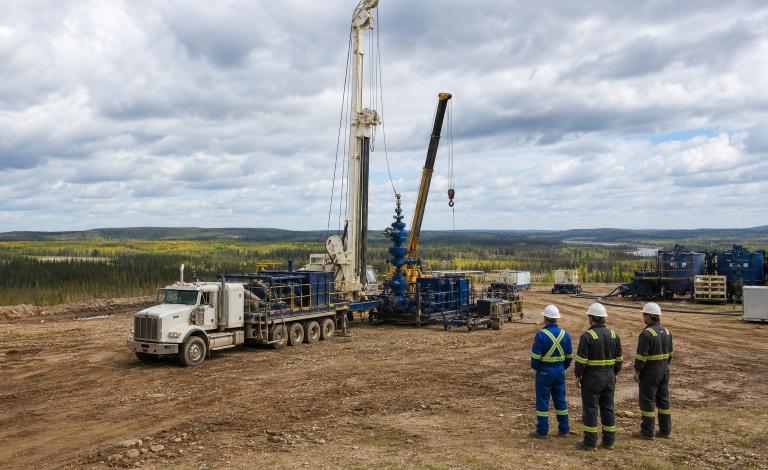
- Oilfield assets such as drilling and service rigs, flush-by rigs, substructures, and derrick structures.
Oilfield Equipment Inspection Support
Oilfield equipment may require a different inspection approach than a general lifting device. FIRTH Engineering references applicable CAODC and API standards for its oilfield inspection work, while lift equipment inspections are guided by the governing codes and legislation relevant to the asset. The standard, test method, and certification path should be determined from the equipment type and project scope.
What Happens During the Inspection Process?
- Scope review: FIRTH Engineering reviews the equipment type, make, model, serial number, location, operating history, prior reports, and requested certification.
- Inspection planning: Professional engineers develop inspection plans and safe-work practices to guide the field work.
- Field examination: Qualified personnel examine the structural, mechanical, electrical, and rigging components within the agreed scope.
- Testing and documentation: The work may include measurements, photographs, visual examination, non-destructive testing, proof load testing, stability testing, or dielectric testing, where applicable.
- Deficiency reporting: Field findings and supporting photographs are documented digitally for the client.
- Engineering review: Technical findings are reviewed by the FIRTH professional engineer on record.
- Certification: Engineering certification is issued after substantial completion of the work and approval of the completed documentation.
What to Include in a Testing Request
A well-prepared request helps define the work before personnel arrive on site. Provide the following information whenever available:
- Equipment make, model, serial number, year, rated capacity, and current location.
- Manufacturer manuals, load charts, inspection instructions, and previous reports.
- Log book entries, repair history, modification details, overload events, and known incidents.
- Photos of visible corrosion, deformation, cracking, impact damage, or other concerns.
- The testing requested, such as proof load, stability, dielectric, or non-destructive testing.
- Site access requirements, shutdown needs, available test weights, and the operational deadline.
These records matter because a lifting-device log book can include inspections, checks, tests, deficiencies, repairs, modifications, certification records, and incidents that could affect safe operation. Complete records also give the engineer a clearer starting point for defining the inspection scope.
Addressing Damage and Structural Deficiencies
An inspection report is not an automatic approval for continued operation. If FIRTH Engineering identifies damage or a condition concern, the next step may involve additional examination, restricted use, non-destructive testing, an engineered structural repair procedure, or a recommendation to remove the equipment from service pending corrective action. For example, a mobile crane with visible structural damage may require engineering review before a certification can be issued. Alberta requirements state that structural repairs or modifications to lifting-device components must be made under the direction and control of a professional engineer, and the work must be certified to confirm that the component is restored to at least its original capacity.
How Alberta Requirements Affect Planning
Inspection planning should account for the equipment category, configuration, use, and documentation. Tower cranes have especially specific requirements. Before first use on an Alberta project, structural and rigging components may require non-destructive testing under the direction of a professional engineer. If a tower crane remains on a project for more than one year, structural components must be examined after 2,000 operating hours or 12 months, whichever comes first. Provincial officers may conduct workplace inspections and require corrective action where compliance issues are identified. Employers should understand how these inspections work and maintain equipment records that document their inspection and maintenance practices.
How FIRTH Engineering Can Help Reduce Delays
Schedule early, particularly when equipment is needed for an active construction, industrial, municipal, or oilfield project. Sending records before mobilization allows FIRTH Engineering to identify likely testing needs, access constraints, missing documentation, and possible repair considerations. FIRTH Engineering’s digital reporting process provides clients with documented field findings and photographs promptly after site work is completed. That visibility can help maintenance and safety teams assign corrective actions sooner. It cannot guarantee a pass result, but it can make the path to an informed engineering decision clearer.
Before Requesting Service
- Confirm the equipment identification and rated capacity information.
- Collect the logbook, manuals, load charts, and previous reports.
- Identify known damage, repairs, modifications, and recent incidents.
- Confirm site access, isolation requirements, and test-weight availability.
- Share the required completion date and operational constraints.
Frequently Asked Questions
Does FIRTH Engineering inspect forklifts and aerial manlifts?
Yes. FIRTH Engineering lists forklift trucks and aerial manlifts among the equipment it supports. The precise inspection scope depends on the equipment, manufacturer requirements, site conditions, and applicable rules.
Can FIRTH Engineering inspect cranes and oilfield equipment?
Yes. Its listed scope includes multiple crane types, drilling and service rigs, flush-by rigs, substructures, and derrick structures.
Does certification replace daily equipment inspections?
No. Certification is one part of an equipment safety program. Employers and operators must still follow required checks, maintenance practices, safe operating procedures, manufacturer instructions, and competency requirements.
Conclusion
A certified lift equipment testing request should create a useful technical record, not simply produce a document. FIRTH Engineering combines field examination, digital reporting, testing support, engineered repair guidance, and professional engineering review to help Alberta equipment owners understand equipment condition, identify deficiencies, address safety concerns, and support compliance-focused decisions. Their approach can help owners document inspection findings, prioritize necessary repairs, and maintain clearer records for future maintenance and testing. Whether the equipment requires routine examination, load testing, repair guidance, or engineering assessment, accurate documentation can make the process easier to manage. Working with qualified professionals also helps ensure that testing and reporting are aligned with the equipment’s condition and applicable requirements. For Alberta businesses responsible for lifting equipment, a structured testing and engineering process can provide greater clarity when planning repairs, maintenance, and ongoing compliance.