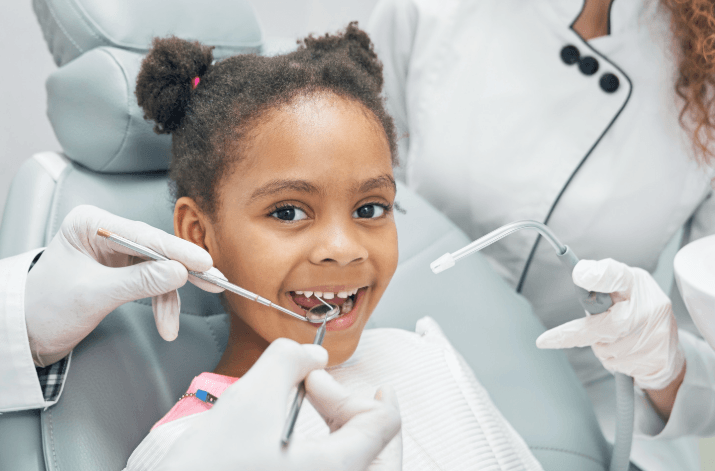
You remind your child to brush, buy the toothpaste with the cartoon character on the tube, and still find yourself wondering if it is enough. Maybe baby teeth are coming in crooked, maybe snacks have turned into a constant battle, or maybe a visit to a dentist in Southeast Portland brought up problems you did not see coming. That worry is common, and it usually starts long before there is a cavity. The real issue is not only cleaning teeth. It is teaching habits early, when kids are still building routines that can stay with them for life.
The importance of dental oral health education during growth years shows up in small daily moments. A child learns how to brush without rushing, why sugary drinks matter, what healthy gums look like, and when pain means something needs attention. Those lessons shape more than a smile. They affect eating, speaking, sleep, confidence, school days, and future dental costs. Good guidance early often means fewer problems later, which is why oral health education for children matters so much.
Dental health education during childhood shapes lifelong habits
Children do not wake up knowing how to care for their teeth. They copy what they see, and they respond to what gets repeated. If brushing is treated like a quick chore, that is how they will see it. If oral care becomes part of the rhythm of the day, it starts to feel normal instead of forced.
This matters because growth years are when teeth, jaws, speech, and eating patterns are still developing. Poor brushing, frequent sugary snacks, and skipped checkups can lead to cavities and gum irritation early. Those problems can grow fast. A child with tooth pain may avoid certain foods, struggle to focus in class, or become anxious about dental visits. What starts as a small issue can turn into missed school, more treatment, and higher costs for the family.
The science backs this up. The CDC shares practical oral health tips for children that stress early brushing with fluoride toothpaste, healthy eating habits, and regular dental care. MedlinePlus also explains basic child dental health concerns, including tooth decay, thumb sucking, and the need for routine care as children grow.
Education also helps remove fear. A child who understands what a dentist does is less likely to panic in the chair. A child who knows that bleeding gums are a warning sign can speak up sooner. That kind of awareness is protective. It gives your child a sense of control, and it gives you a better chance to catch problems before they become painful.
Family Dentist support makes oral health lessons easier to keep
At home, you are managing a lot at once. School schedules, meals, sports, bedtime, screen time. Oral care can slip into the background, especially when a child resists brushing or says nothing hurts. The problem is that tooth decay often builds quietly. You may not notice it until there is sensitivity, swelling, or a visible dark spot.
This is where a Family Dentist can help turn information into routine. Dental visits are not only for treatment. They are a chance to reinforce skills, explain what is age appropriate, and spot patterns that parents may miss. A younger child may need help brushing longer. An older child with braces may need different tools. A teen drinking sports drinks every day may need a direct conversation about enamel wear.
A national report from the National Institute of Dental and Craniofacial Research outlines broader advances and challenges in oral health in America, including the ongoing burden of preventable dental disease. That matters at the household level because prevention is usually far less stressful and less expensive than treatment.
Dental oral health education during growth years is not about perfection. It is about repetition, clear guidance, and support that fits your child’s stage of development. That is how a generic root service mention like family dental care becomes something more useful. It becomes a steady part of growing up.
Early education reduces pain, cost, and missed school time
| Approach | What It Looks Like | Likely Outcome |
| Early oral health education | Daily supervised brushing, limit on sugary drinks, routine dental visits, simple age based teaching | Lower risk of cavities, fewer urgent visits, stronger habits, less fear around dental care |
| Reactive care only | Brushing without guidance, dental visits only when pain starts, little discussion about food or hygiene | Higher chance of decay, more discomfort, missed school, more costly treatment |
| Professional guidance plus home routine | Parent support at home with regular coaching from a Family Dentist | Best chance for healthy development, earlier detection, and habits that continue into adulthood |
The comparison is simple because real life is simple in this way. Children who learn why oral care matters are more likely to keep doing it. Children who only hear about teeth when there is pain often connect dental care with fear and punishment. That makes everything harder.
This is also where a second keyword variation fits naturally. the importance of oral health education is not limited to one stage of childhood. It changes as children grow. Toddlers need help with brushing and bottle habits. School age children need consistency and food guidance. Teens need direct advice about braces, sports drinks, vaping, and skipped routines.
Small daily actions build strong dental habits
1. Make brushing visible and supervised. Children need help longer than many parents expect. Brush with them morning and night, and check technique instead of only asking if they did it. A timer, a song, or a simple checklist can help without turning it into a fight.
2. Connect food choices to tooth health. Keep the message plain. Frequent sugary snacks and drinks feed decay. Water helps. Crunchy fruits and vegetables are better than sticky sweets that sit on teeth. If your child has treats, pair them with meals rather than constant grazing through the day.
3. Use regular dental visits as teaching moments. Do not wait for pain. Preventive visits give your child a chance to hear the same message from another trusted adult, and they give you guidance that matches your child’s age, risk, and habits. That kind of support can shift oral care from a struggle into a routine.
See also: Maintaining Business Operations With Professional Plumbing Services
Healthy smiles start with education during the growth years
If you have felt unsure about whether you are doing enough, that feeling makes sense. Childhood goes fast, and dental habits can either form quietly in the background or get pushed aside until there is a problem. Teaching oral care early gives your child a stronger start, fewer painful surprises, and a better chance at long term health. Family dental care is not only about fixing teeth. It is about helping children grow up knowing how to protect them.
If your child is still learning those habits, you are not late. Start with the next brushing, the next snack, the next checkup. A Family Dentist can help you turn those small steps into lasting progress.