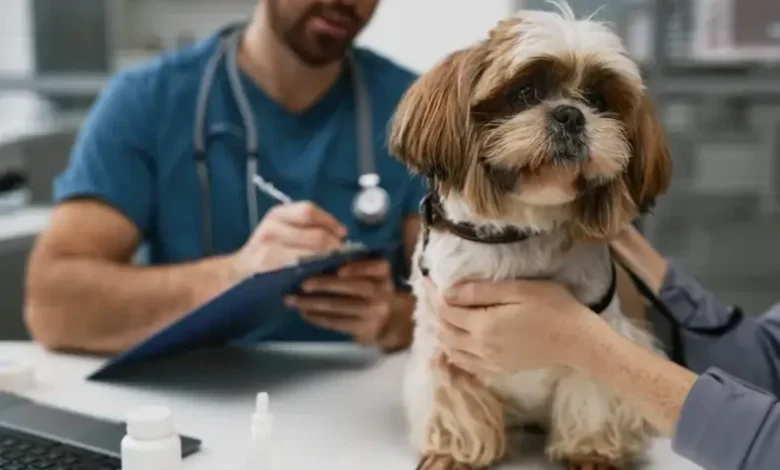
You bring your pet to the hospital because something is off. They are vomiting, too weak to stand, refusing food, breathing fast, or just not acting like themselves. Then the veterinary team says your pet may need IV fluids from a veterinarian in Big Rapids, MI. That can sound serious, and it is. It also means the team is trying to stabilize the problem before it gets worse.
IV fluids for pets are often used when a dog or cat is dehydrated, in shock, losing fluids, or too sick to drink enough on their own. Fluids can support blood pressure, improve circulation, help organs keep working, and give the care team time to treat the cause. In a veterinary hospital, fluid therapy is not a routine add on. It is a tool used for pets whose bodies need help fast.
Veterinary hospitals use IV fluids when a pet cannot keep up with fluid loss
A healthy body is always balancing fluids. Vomiting, diarrhea, fever, pancreatitis, kidney disease, blood loss, heat injury, toxin exposure, and surgery can throw that balance off quickly. A pet may look tired or quiet at first, then suddenly become much sicker because dehydration affects the heart, kidneys, brain, and gut all at once.
That is why hospitals often start fluids early in emergencies. The goal is not just to “rehydrate.” It is to restore circulation so oxygen and nutrients can reach tissues. In emergency care, vets also use fluids as part of the first response while they check temperature, pulse, breathing, blood pressure, and lab work. The MSD Veterinary Manual’s overview of dog and cat emergency treatment explains how fluid support fits into early stabilization.
Cats and dogs do not always show dehydration in obvious ways. A cat with pancreatitis may hide, stop eating, and become dehydrated before an owner realizes how sick things are. Cornell’s guide to feline pancreatitis describes how vague the signs can be, which is one reason hospital based fluid support matters so much.
Pet fluid therapy helps because dehydration is only part of the problem
When people hear “fluids,” they often think of water replacement. In the hospital, pet fluid therapy does more than that. The right fluid type, rate, and volume can support blood pressure, replace electrolyte losses, improve kidney perfusion, and help correct acid base changes caused by illness.
The details matter. A tiny senior cat with heart disease does not get the same plan as a large dog with bloody diarrhea. A pet in shock may need rapid support at first, then close adjustment once blood pressure improves. A pet with kidney disease may need steady fluid replacement and frequent lab checks. The team is not hanging a bag and walking away. They are choosing a treatment plan based on weight, exam findings, ongoing losses, and the disease they are treating. The University of Illinois explains these considerations in creating a fluid therapy plan in a way that shows how individualized this care really is.
This is where many owners feel torn. You want your pet comfortable, but hospitalization feels scary and expensive. You may wonder whether your pet can just drink at home. Sometimes they can. Sometimes waiting means the body falls further behind, and then recovery gets harder, longer, and more costly.
Hospital IV fluids are different from home care and subcutaneous fluids
Not all fluids are delivered the same way. IV fluids go directly into the bloodstream, which makes them the best option when a pet needs rapid support or cannot absorb enough fluid through the gut. Subcutaneous fluids, which go under the skin, can help in some chronic conditions but are slower and not appropriate for many emergencies.
| Approach | When It May Be Used | Main Benefit | Main Limitation |
| Drinking water at home | Mild fluid loss, normal appetite, no vomiting | Simple and low cost | Not enough for pets who are nauseated, weak, or actively losing fluids |
| Subcutaneous fluids | Select chronic conditions, mild to moderate dehydration | Can be useful outside the hospital in stable pets | Absorbs slowly and does not treat shock or severe illness well |
| IV fluids in a veterinary hospital | Emergency illness, surgery, shock, severe dehydration, uncontrolled vomiting or diarrhea | Fast delivery, precise control, close monitoring | Requires hospitalization and ongoing supervision |
A pet on IV fluids is usually being monitored for more than hydration. The team may track urine output, blood pressure, heart rate, body weight, electrolytes, blood sugar, and lung sounds. That monitoring helps them catch problems early, including overhydration in pets with heart or kidney concerns.
Veterinary hospital care becomes urgent when fluid loss keeps building
Fluid loss has a way of stacking up. A dog vomits three times, then has diarrhea, then stops drinking because the nausea gets worse. A cat with pancreatitis eats almost nothing for two days and becomes weaker with each hour. A pet after surgery may need support until they are fully awake and able to drink again. In all of these cases, the body is not just short on water. It is under strain.
That is why a veterinary hospital may recommend admission even if your pet was walking when you arrived. The problem is often what happens next if support does not start in time.
See also: Breathe Easier – The Health Benefits of Condo Duct Cleaning
Three steps you can take right away when IV fluids are recommended
Ask what problem the fluids are treating. Get a direct answer. Is your pet dehydrated, in shock, losing protein, struggling with kidney values, or unable to keep food and water down? That tells you how urgent the situation is and what the team is trying to prevent.
Ask how the staff will monitor response. Good questions include whether they will recheck blood work, monitor blood pressure, measure urine output, or adjust the fluid rate overnight. This helps you understand that fluids are an active treatment, not passive support.
Ask what changes would mean your pet can go home. You need a clear picture of the discharge goal. That may be eating without vomiting, stable kidney values, normal blood pressure, improved hydration, or pain control. Knowing the endpoint makes the hospital plan feel less uncertain.
IV fluids can buy time, protect organs, and support recovery
If your pet needs IV fluids, you are not overreacting by taking it seriously. You are responding to a body that may be losing ground faster than it can recover on its own. Hospital fluids can steady circulation, protect organs, and give treatment a real chance to work. If your veterinarian recommends hospitalization, ask the hard questions, get a clear plan, and move quickly when the signs point to trouble.