Maintaining a commercial roof is a critical aspect of building management that directly impacts the lifespan and integrity of your investment. Implementing proactive strategies can help you avoid unexpected issues, minimize repair costs, and ensure your property’s safety. For building owners and facility managers looking to safeguard their assets, following proven maintenance practices is essential to protecting their buildings and maintaining their value. To keep your property in top condition, professional commercial roof repair services may be necessary when issues arise beyond routine maintenance.
A well-maintained roof not only protects against the elements but also contributes to energy efficiency and tenant satisfaction. This guide outlines the key steps building managers and owners should follow to extend the service life of their roofing systems and avoid costly surprises.
Importance of Regular Inspections
Regular roof inspections are one of the most effective ways to prevent major damage and identify potential issues before they escalate. Annual or biannual inspections, ideally conducted in the spring and fall, help spot common problems such as cracks, punctures, or loose flashing. Inspections should also be conducted after severe weather events, such as storms or heavy snowfall, as these can cause unexpected wear and tear. Early detection of weaknesses in the roof membrane or around penetrations, such as HVAC units, is crucial. According to Buildings.com, regularly scheduled inspections extend the life of a commercial roof and help maintain its manufacturer’s warranty.
In addition to planned inspections, it’s beneficial to train building staff to identify apparent signs of damage during their routine rounds. Rips, water stains, bent or rusted flashings, and deteriorated caulking around vents are some tell-tale signs that should not be ignored. This creates a culture of vigilance that minimizes the possibility of issues going undetected between professional evaluations.
Keeping the Roof Clean
Accumulated debris, including leaves, branches, and dirt, poses significant risks to commercial roofs. If not addressed, this buildup can trap moisture, leading to the deterioration of roofing materials. Furthermore, debris clogs drainage systems, creating pools of water that increase the risk of leaks and structural damage. Maintaining a clean roof reduces the likelihood of pest infestations and mold growth, both of which are detrimental to roofing integrity. Simple preventative measures, such as regular sweeping and targeted cleaning, provide substantial long-term benefits. It’s also important to evaluate the surrounding landscape; trimming overhanging trees can prevent ongoing debris accumulation, and monitoring adjacent structures helps avoid conditions that could lead to clogged drainpipes. Regular investment in cleaning and vegetation control is essential for mitigating potential roof issues.
Addressing Repairs Promptly
Even minor roof damage, such as a small puncture or split seam, can worsen over time if not repaired promptly. Delayed maintenance allows water infiltration, which can ruin insulation, underlying structures, and even lead to costly interior damage. Building owners should develop a system for promptly addressing repairs as soon as they are detected. Establishing a clear reporting process and keeping a trusted service provider on call greatly reduces the risk that minor issues will escalate into costly emergencies. Routine visual checks between professional inspections can help you spot deficiencies early.
Swift action is especially important after adverse weather conditions. Being proactive about minor repairs helps maintain the roof’s watertightness, preserve indoor comfort, and maintain a building’s appearance. Quick repairs not only prevent exacerbation of the initial problem but also avoid liability concerns related to water damage or potential mold.
Monitoring Drainage Systems
Effective drainage is central to a healthy commercial roof. Clogged gutters, downspouts, or internal drains can cause water to pool, placing unnecessary stress on the roofing system. Over time, this pooled water can seep into the building and damage the roof deck or support structure. Regularly inspect and clear all drainage points to ensure water is channeled away efficiently. This not only helps prevent leaks but also supports the longevity of other building elements connected to the roof, such as exterior walls and foundations.
Drainage systems should be checked for signs of corrosion, blockages, and sagging. Preventative maintenance, like installing leaf guards or drain screens, can further reduce the risk of blockages and water overflow. It’s valuable to integrate drainage checks into the broader roof maintenance schedule to ensure nothing is overlooked.
Documenting Maintenance Activities
Properly documenting inspections, repairs, and cleaning offers valuable records for property owners and managers, aiding insurance claims, tracking issues, and ensuring warranty compliance. Detailed records improve budget planning by highlighting maintenance costs and forecasting roof replacements. Well-kept records are also valued during property valuation. Developing a digital log or database can streamline this, especially when including photographs to track subtle changes over time. Cloud-based solutions make it easier to access and update logs, fostering better communication. Organized records lead to smarter decisions about roof care.
See also: Home Improvement Tips for a Stress-Free Renovation
Engaging Professional Services
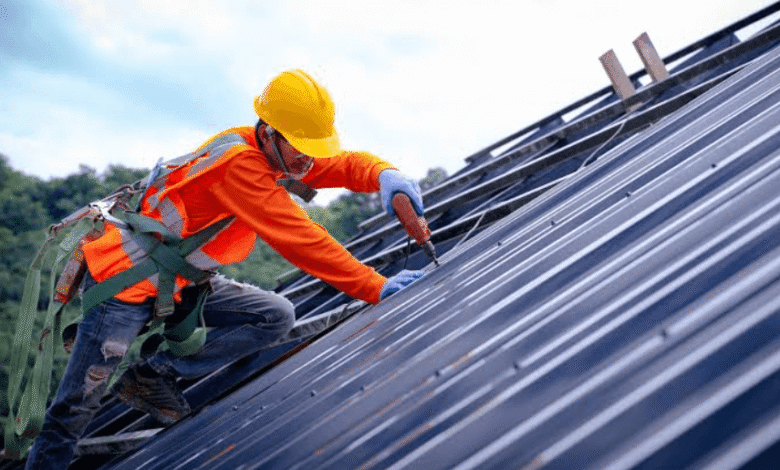
While tasks like basic cleaning can be handled in-house, complex repairs require certified roofing professionals. Experienced contractors detect subtle damage, recommend effective solutions, and can guide routine maintenance, inspections, and emergency repairs. They stay up to date on industry standards, ensuring your roof remains compliant. Professionals can suggest upgrades, such as reflective materials, for long-term benefits, and create tailored maintenance plans tailored to your roof and environment. Investing in expert services maximizes your roof’s performance and safety, extending its lifespan and minimizing unexpected costs. Regular maintenance, prompt repairs, and detailed records help keep your roofing system reliable and durable. Proper roof care also protects your building’s integrity, reduces downtime, tenant complaints, and safety hazards, and improves energy efficiency, lowering utility costs and increasing property value. Every proactive step toward maintenance helps secure your investment’s longevity, safety, and profitability.
Conclusion
A commercial roof is a valuable asset that protects your building, but it requires consistent care and proactive maintenance. Regular inspections, cleaning, repairs, drainage management, and documentation extend its life and prevent costly disruptions. Early problem detection helps avoid expenses and keeps the facility safe and efficient. Partnering with professional roofers ensures standards are met, supporting energy efficiency, property value, and safety. Long-term preventive maintenance maximizes investment return and keeps your building protected.