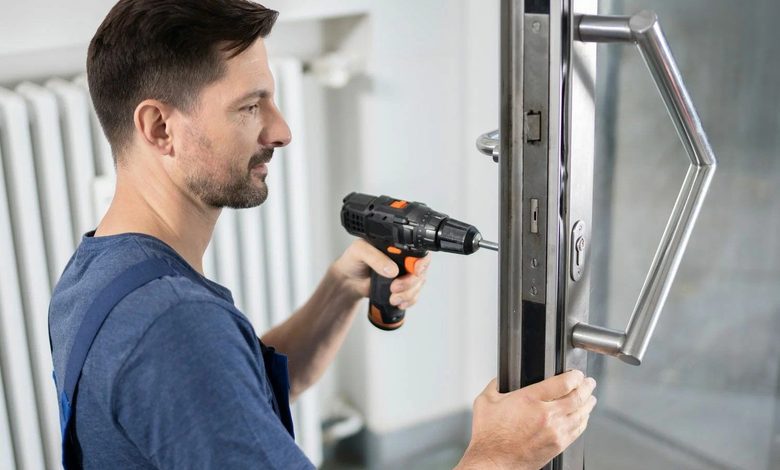
Commercial door problems rarely arrive at a convenient hour. A rear exit stops latching on a Friday afternoon, a storefront entrance drags in the cold, or a fire-rated corridor door gets tagged during an inspection and suddenly the clock is running. Most property managers then hire whoever answers the phone first.
That is how buildings end up with a door that opens but no longer complies with anything. Vetting a commercial door contractor takes about fifteen minutes if a manager knows which questions actually separate the qualified companies from the rest, and in Denver a few of those questions are local.
Check the Denver License Before the Reviews
Colorado does not issue a statewide general contractor license. Licensing happens city by city, and Denver runs the most formalized program in the state through its Department of Community Planning and Development.
The detail that catches people out: Denver does not accept contractor licenses issued by other Colorado jurisdictions. A company properly licensed in Aurora or Colorado Springs is not automatically cleared to work inside city limits. For a building near a boundary line, that is worth confirming rather than assuming.
A license is also not a permit. The license establishes that the company is allowed to work in Denver at all. A permit authorizes one specific project, and it becomes relevant the moment an opening gets resized or structural framing is touched. Ask for the license number, verify it with the city, and treat vagueness on this point as an answer in itself.
See also: Why Expectations Matter More Than Technology in Non-Invasive Body Sculpting
Ask Who Can Sign Off on a Fire Door
This is where general handyman outfits fall down. NFPA 80 requires fire door assemblies to be inspected at least once a year by a qualified person, with a written record kept and available to the authority having jurisdiction. Responsibility for that sits with the building owner, not the vendor, which is exactly why the vendor matters.
Two things get missed. Inspection is also required after installation and after any maintenance that touches listed hardware, so a repair itself can trigger the requirement. And the standard does not name a specific credential; it describes a person with the knowledge, training and experience to evaluate the assembly. Certifications like the DHI CFDAI are widely accepted as evidence of that.
Any company quoting commercial door repair in Denver should be able to say plainly who on the crew is qualified to work on rated openings and what paperwork comes back afterward. “We’ll get it closing again” is not paperwork.
Egress and ADA Are Where Cheap Repairs Fail
A door can work perfectly and still be a violation. The 2010 ADA Standards cap opening force on interior hinged doors at 5 pounds, and require closers adjusted so the door takes at least five seconds to travel from 90 degrees to 12 degrees from the latch. Hardware has to operate without tight grasping, pinching or twisting, which rules out round knobs on accessible routes.
Exterior doors are treated differently. ADA sets no maximum opening force for them because wind, stack pressure and weatherstripping drag all interfere, so local building code governs instead. Fire doors defer to the fire code and the AHJ.
The practical risk is a technician who cranks a closer’s spring tension until a stubborn door finally latches, and pushes an accessible interior opening past 5 pounds in the process. One problem solved, another created, and nobody notices until an inspection.
What Denver Actually Does to Commercial Doors
Hydraulic closers respond to temperature. Fluid thickens on a 10-degree January morning and thins in July, which is why a door adjusted once in spring often slams by August or refuses to latch by winter. Doors on the Front Range usually need seasonal adjustment rather than a single set-and-forget visit.
Wind matters too. Gusty situations pull entrances open harder than the hardware become sized for, and hinges, pivots and nearer palms take that abuse over years. Add dry air and grit chewing thru weatherstripping and gaskets, plus hail seasons that harm storefront glazing, and the failure pattern here looks special from a milder metropolis.
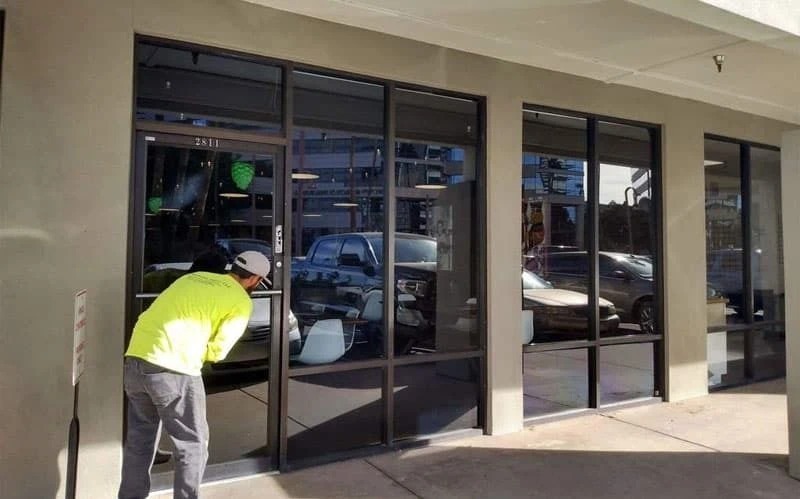
That overlap is worth thinking about when hiring. A hail-damaged storefront normally wishes glass and door hardware addressed collectively, so a contractor who additionally handles commercial window installation in Denver can deal with the doorway as one device in place of splitting it throughout two trades and schedules.
Five Questions Worth Asking Before Authorizing Work
Ask for the Denver license wide variety and take a look at it. Ask who’s qualified to paintings on fireplace-rated openings and what documentation comes with the task. Ask which brands of closers and go out gadgets they inventory, due to the fact a commonplace emblem held in the van is the difference between a same-day fix and every week propped open with a wedge.
Conclusion: Vetting Beats Speed, Even in an Emergency
The company worth keeping on file is the one that answers licensing, code and documentation questions without hesitating, because that is the company that has been through inspections before. Price matters, but a repair that fails an inspection costs more than it saved.
Denver businesses comparing options can run that checklist against any vendor, including established local firms like Elite Construction, which works across commercial doors, windows, roofing and painting in the metro area. The questions work the same regardless of whose name is on the truck.