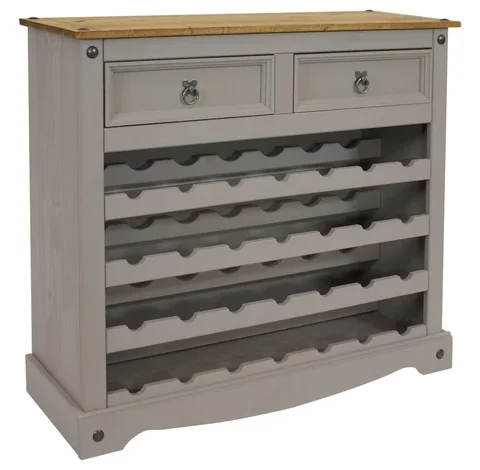
A wine rack seems like a simple purchase until you’re actually standing in front of the options, weighing up size, material, and placement all at once. Getting it right matters more than it might seem, since a poorly chosen rack can leave bottles improperly stored or simply become an eyesore that never quite fits the room it’s meant to live in.
Storage Needs Should Drive the Decision
Before looking at styles, it’s worth being honest about how much wine actually needs storing, and how often that number changes. Someone who buys a bottle or two a week for casual drinking has very different needs from someone building a proper collection intended for ageing. A wine rack sized for the wrong scenario either leaves bottles crammed in awkwardly or looks sparse and oversized in a smaller space.
Why Correct Bottle Positioning Matters
Wine stored upright for extended periods risks the cork drying out, which can let air seep in and affect the wine’s condition over time. Most wine racks are therefore designed to hold bottles horizontally, keeping the cork in contact with the wine and maintaining a proper seal. This is a functional detail worth checking before buying, not just an aesthetic feature — a rack that looks good but stores bottles upright isn’t doing its actual job.
See also: Rethinking Delivery: Flexible Solutions for Modern Businesses
Timber as a Storage Material
Wooden wine racks remain a consistently popular choice, and for good reason. Timber doesn’t conduct heat the way metal can, which helps maintain a more stable temperature around stored bottles. It also tends to suit a wider range of interior styles than metal or acrylic alternatives, fitting comfortably into both traditional dining rooms and more contemporary kitchen or living spaces.
Freestanding Versus Built-In Options
A freestanding wine rack offers flexibility that a built-in unit simply can’t match — it can be repositioned, resized by adding a second unit, or moved entirely if the room layout changes. Built-in options can look more seamless within cabinetry, but they commit the space permanently, which is worth weighing carefully against how likely the room’s layout is to change down the track.
Considering Capacity for Future Growth
It’s easy to underestimate how a wine collection can grow, even for casual drinkers who simply enjoy having a few nice bottles on hand for guests. Choosing a wine rack with slightly more capacity than currently needed avoids the awkward situation of running out of storage within the first year, though oversizing too dramatically just leaves the piece looking empty and impractical.
Placement and Environmental Considerations
Where a wine rack sits in the home genuinely affects how well it protects stored bottles. Direct sunlight and proximity to heat sources like ovens or radiators can degrade wine more quickly than most people realize, so a spot away from windows and appliances is generally the safer choice. A slightly cooler, more consistent-temperature area of the home, even if it’s less visually prominent, tends to serve the wine better long term.
Making a Choice That Lasts
A well-chosen wine rack should balance practical storage function with a design that genuinely fits the room it’s placed in. Taking the time to consider bottle capacity, material, and placement before buying results in a piece that serves its purpose properly rather than becoming a compromise that’s replaced within a year or two.