As solar energy adoption continues to grow, reliable power conversion technology has become an essential part of renewable energy systems. Solar panels generate electricity in direct current (DC) form, while most homes, businesses, and electrical networks require alternating current (AC). A trusted solar inverter manufacturer develops inverter solutions that help convert, manage, and distribute solar-generated electricity efficiently. The right inverter can therefore play a central role in improving the performance and reliability of an entire solar power installation.
Understanding the Role of a Solar Inverter
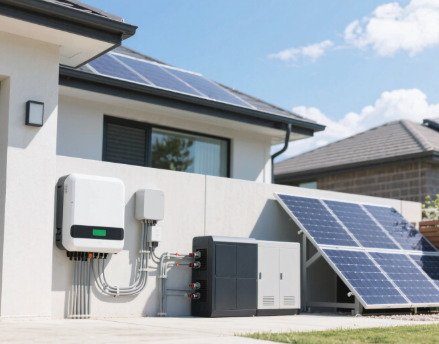
Solar panels produce DC electricity when exposed to sunlight. Most conventional electrical appliances, however, operate using AC electricity. The inverter performs the important task of converting the electricity into a form that can be used by household appliances or supplied to the electrical grid.
Modern inverters can do more than simple DC-to-AC conversion. Depending on the system, they can monitor energy production, manage battery charging and discharging, provide backup functionality, and coordinate electricity from multiple sources.
This makes inverter technology an important component of both residential and commercial solar installations.
Why Manufacturer Experience Matters
Choosing an inverter is not simply about selecting a particular power rating. The quality of the equipment, compatibility with other components, control features, and long-term reliability can all influence system performance.
An experienced manufacturer can design products around different energy requirements and applications. This can include solutions for residential solar systems, commercial installations, off-grid applications, and energy storage systems.
A manufacturer with a broad product portfolio can also provide customers with more flexibility when developing complete renewable energy solutions.
Hybrid Inverters for Energy Storage
Energy storage is becoming increasingly important as homeowners and businesses look for greater control over their electricity. Hybrid inverters can connect solar panels, batteries, and electrical loads within a coordinated system.
During periods of strong sunlight, solar electricity can supply household or commercial loads while excess energy is directed toward battery storage. When solar generation decreases, stored electricity can be used to support demand.
This approach can increase the usefulness of solar generation and provide additional flexibility during periods when grid electricity is unavailable.
Supporting Energy Independence
One of the major advantages of combining solar generation with suitable inverter technology is greater energy independence. Instead of relying entirely on electricity supplied by the grid, users can generate and manage a portion of their own electricity.
When combined with battery storage, an appropriately configured system can make solar energy available beyond daylight hours. This can be especially valuable for households and businesses that have significant electricity demand in the evening.
Energy independence can also provide an additional level of resilience where grid interruptions occur.
Inverters for Different Applications
Solar installations vary significantly in size and electrical requirements. A small home may need a different inverter configuration from a large commercial facility.
For this reason, manufacturers need to provide solutions that accommodate different power levels, electrical phases, and installation environments. Felicitysolar’s broader product range includes residential energy solutions as well as systems designed for other renewable energy applications.
Selecting the appropriate inverter requires consideration of solar panel capacity, expected electricity consumption, battery configuration, grid requirements, and future expansion plans.
Safety and Reliable Operation
Safety is another important factor in inverter design. Solar energy systems involve electrical currents and multiple interconnected components, so appropriate protection and monitoring are essential.
Modern inverter systems can include monitoring functions and protective mechanisms designed to help manage abnormal operating conditions. Proper installation is equally important because even high-quality equipment needs to be correctly configured and connected.
Routine inspection and maintenance can further contribute to reliable long-term performance.
Smart Energy Management
Technology is making solar energy systems increasingly intelligent. Modern inverter platforms can provide users with information about electricity generation, consumption, battery status, and system operation.
Monitoring capabilities can help homeowners and businesses understand how their solar system is performing. They can also make it easier to identify unusual operating conditions and optimize energy usage.
Smart management becomes even more valuable when solar panels, batteries, and other energy sources are integrated into one system.
Selecting the Right Inverter Solution
Before choosing an inverter, users should evaluate several factors. These include the required power capacity, type of solar installation, battery requirements, electrical configuration, backup needs, installation environment, and compatibility with other system components.
Future energy requirements should also be considered. A system designed with expansion in mind may provide greater flexibility if electricity consumption increases or additional solar panels and batteries are installed later.
Working with a qualified installer and selecting equipment from an established manufacturer can help ensure that the complete system is properly matched to its intended application.
Conclusion
Inverter technology is at the heart of modern solar energy systems because it connects solar generation with practical electricity use. A capable solar inverter manufacturer can provide solutions that support energy conversion, battery storage, backup power, monitoring, and efficient energy management. As renewable energy systems become more advanced, reliable inverter technology will continue to play an important role in helping homes and businesses make better use of clean electricity. Choosing an inverter based on system requirements, compatibility, safety, and future energy needs can help create a dependable and efficient solar power solution.