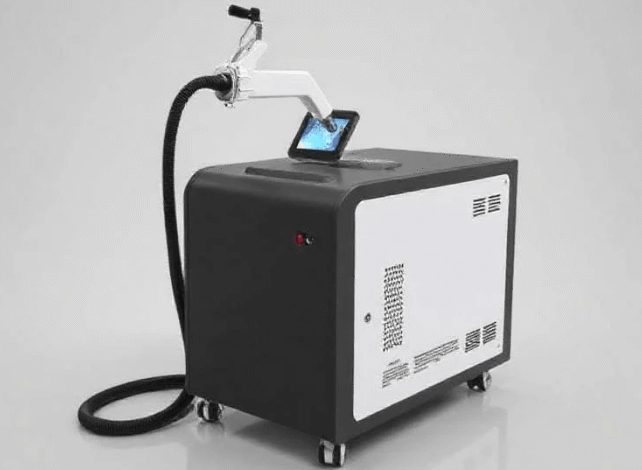
Portable laser cleaning equipment represents a genuine investment, and getting real value from that investment depends on thinking through a handful of practical considerations before committing to a specific machine. Skipping this evaluation and buying based purely on price or general specifications tends to lead to equipment that does not quite fit the actual work it needs to handle.
Weight and True Portability Matter More Than Marketing Suggests
Not every machine marketed as portable is equally practical to actually carry, move, and set up repeatedly across different job sites. Some systems are genuinely lightweight and designed for frequent relocation, while others are portable in a more technical sense but still cumbersome enough that moving them regularly becomes a real burden for whoever is doing the physical work. It is worth being realistic about how often the equipment will actually need to move between locations and choosing accordingly, rather than assuming any product labeled portable will be equally practical for frequent field use.
Power Requirements at Job Sites Need Real Consideration
Portable laser cleaning machines still require a power source, and depending on the specific model, that might mean access to standard electrical outlets, specific voltage requirements, or in some cases a generator for locations without reliable power access. Confirming power requirements against the realistic conditions of the job sites where the equipment will actually be used avoids the frustrating discovery, after purchase, that a machine cannot actually be powered properly at a significant portion of the locations it needs to serve.
Battery Life and Duty Cycle for Extended Field Use
For field work that might involve extended periods away from reliable power access, understanding a machine’s battery life or duty cycle limitations matters significantly. Some systems are designed for shorter bursts of use with cooling periods built in, while others can sustain longer continuous operation. Matching this characteristic to the realistic demands of actual field jobs prevents the frustration of equipment that needs to pause partway through a job that was expected to be completed in one continuous session.
Durability for Real Field Conditions
Equipment used regularly in field settings gets exposed to dust, temperature variation, occasional rough handling, and conditions that a machine used exclusively in a controlled workshop would rarely experience. A portable laser cleaning machine built with genuine field durability in mind, rather than one designed primarily for indoor, controlled use and only marketed as portable, tends to hold up significantly better over years of regular field deployment.
Ease of Operation for Different Skill Levels
Depending on who will actually be operating the equipment day to day, ease of use matters more or less. Some systems require more technical expertise to operate effectively, while others are designed with simpler controls that make them accessible to a broader range of operators without extensive specialized training. Considering who will actually be using the equipment helps identify whether a more technically advanced system is genuinely necessary or whether a simpler, more accessible option would serve the business just as well.
See also: How to Turn Challenges into Business Opportunities
Support Options When Something Goes Wrong in the Field
Equipment failures happen, and when they happen at a remote job site rather than in a controlled facility, the ability to get quick technical support or troubleshooting guidance matters a great deal. Asking about remote support options, troubleshooting documentation, and typical repair turnaround times before purchasing gives a realistic picture of what happens if the equipment runs into problems while out in the field, rather than assuming support will simply be available when needed.
Buying Equipment That Actually Fits Real Field Conditions
Taking the time to think through weight, power requirements, duty cycle, durability, ease of use, and support options leads to a portable laser cleaning purchase that genuinely serves the realistic demands of field work, rather than one that performed impressively in a showroom demonstration but struggles once it is actually deployed to real job sites under real conditions.